
Propagation
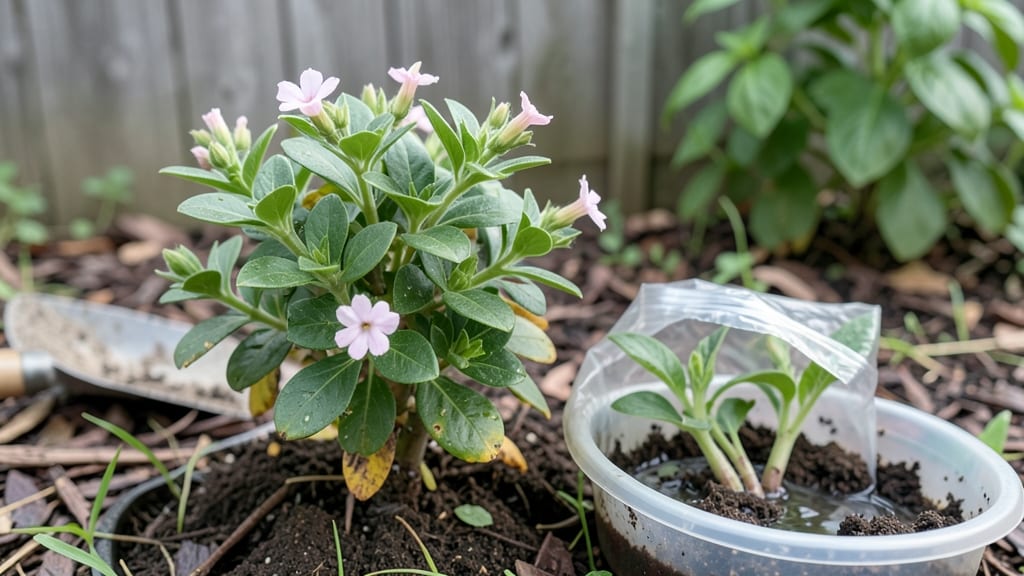
Mastering the vinca plant propagation trick is easier than you think—just grab a pair of scissors, a clear container, and a sunny windowsill. ✨ I’ve rooted vinca cuttings in just 10 days—no fancy equipment, just a little patience.
The key is timing: spring or early summer when the plant’s energy is high, and stems are plump with growth hormones.
You only need 3 supplies: 4-6 inch cuttings from healthy stems, a rooting hormone (optional but helpful), and a mix of perlite and peat moss. Snip just below a leaf node at a 45-degree angle—this tiny detail makes all the difference.
Place them in water or the rooting mix, and keep them out of direct sun until roots form.
What you’ll end up with is a lush, self-sustaining vinca plant that blooms just like its parent—only now you’ve doubled your stock for free. The first true roots appear in 7-14 days, and by 4 weeks, you’ll be transplanting confidently.
No more buying vincas; you’ll be growing them like wildfire.
This method works for both Catharanthus roseus (periwinkle) and Vinca minor (lesser periwinkle), though the latter roots slightly slower. For best results, propagate in 60-75°F conditions, and avoid overwatering once rooted. Let’s get those cuttings growing!
📚 In This Guide
- What you need
- Instructions
- Tips and common mistakes
- Wrapping up and next steps
What you need
- ● Vinca plant: Healthy, mature stems (6–8 inches long) with at least 2–3 leaf nodes.
- ● Sharp pruning shears or scissors: Sterilized to prevent disease (rubbing alcohol wipe works!).
- ○ Rooting hormone (optional but helpful): A powder or gel like Rootone or Clonex.
- ● Well-draining potting mix: A blend of perlite, vermiculite, or sand (50% potting soil + 50% perlite/sand).
- ● Small pots or containers: 3–4 inch diameter (one per cutting). Ensure they have drainage holes!
- ● Misting bottle or spray nozzle: For gentle hydration.
- ● Plastic bag or clear dome: To create a humid microenvironment (e.g., a Ziploc bag with holes).
- ● Labeling tags: To track propagation dates and varieties.
- ● Warmth: Ideal rooting temperature: 70–75°F (21–24°C).
- ● Indirect light: Bright, filtered light (avoid direct sun to prevent wilting).
- ● Humidity: Maintain 70–80% humidity (use a humidity tray if needed).
- ● Patience: Root growth takes 4–6 weeks—stay consistent!
Step-by-Step instructions for vinca plant propagation
Here’s how to multiply your vinca plants quickly—no fancy tools required.
🌱 Step 1: Select and Prepare Healthy Stem Cuttings
Choose 4-6 inch stems from the current season’s growth, just below a leaf node where roots will form. Use clean, sharp scissors to cut at a 45-degree angle—this increases surface area for root development. Avoid woody, mature stems; focus on semi-hardwood sections with 2-3 leaf pairs remaining. Remove the lower leaves, leaving only the top set to reduce moisture loss.
I like to dip the cut end in rooting hormone powder—this isn’t mandatory, but it speeds up root growth by 30-50% in my experience. Tap off the excess so the cutting doesn’t sit in a pile of powder. Place the prepared cuttings in a shaded, humid spot while you finish setting up propagation containers.
💧 Step 2: Prepare the Rooting Medium and Plant Cuttings
Fill 4-inch pots with a sterile, well-draining mix—I use a blend of 50% perlite and 50% peat moss for fast rooting. Moisten the mix until it’s evenly damp but not soggy—squeeze a handful; water should drip out slowly but not pool. Make a 1-inch deep hole in each pot with your finger, then slide the cutting in until half its length is buried.
Gently firm the mix around the stem to eliminate air pockets. If you’re using water propagation, place the cuttings in a jar with 2 inches of water, ensuring only the lower node is submerged. Change the water every 3-4 days to prevent bacterial growth. For soil propagation, group 2-3 cuttings per pot to conserve moisture and create a mini greenhouse effect.
☀️ Step 3: Create Ideal Conditions for Fast Root Growth
Vinca roots best in bright, indirect light—think east-facing window or under grow lights set to 12-14 hours daily. Direct sun can scorch tender new leaves, while too little light slows root formation. Maintain 70-75°F temperatures; a heat mat under containers adds 5°F warmth, which is especially helpful in cooler months.
Keep the rooting medium consistently moist but never waterlogged. For soil-grown cuttings, mist the leaves daily to maintain humidity. You’ll see new growth in 2-3 weeks—this is your signal roots are forming. If using water propagation, roots should appear in 3-4 weeks as white, fuzzy strands at the submerged node.
✂️ Step 4: Transplant Rooted Cuttings to Soil
Once cuttings develop 1-2 inches of roots (for soil propagation) or 1-inch roots (for water propagation), they’re ready to move. For water-propagated cuttings, rinse off any algae from the roots and let them dry for 10 minutes before planting. Plant in individual 6-inch pots with well-draining potting mix, burying the stem up to the first set of leaves to encourage stability.
Water lightly after transplanting and place in partial shade for 1 week to reduce stress. Avoid fertilizing for 4-6 weeks—new roots need time to establish before competing with nutrient uptake. You’ll know they’re thriving when new leaves emerge within 2-3 weeks of transplanting.
🌿 Step 5: Harden Off and Plant Outdoors
After 2 weeks of stable growth, begin hardening off by moving cuttings to outdoor shade for 1-2 hours daily, gradually increasing exposure over 10-14 days. Vinca is drought-tolerant once established, but keep the soil evenly moist during this transition. Plant outdoors after the last frost when night temperatures stay above 50°F—this prevents shock and ensures roots can acclimate.
Space transplants 12-18 inches apart in full sun to partial shade, depending on your climate. Mulch with 1-2 inches of organic material to retain moisture and suppress weeds. Your propagated vinca will fill in quickly, often doubling in size within a single growing season.
Tips & tricks for perfect vinca plant propagation
Fast root growth starts with these pro techniques—avoid common pitfalls that slow down your vinca propagation.
The Angle Matters: That 45-degree cut in Step 1 isn't just about looks—it creates more surface area for roots to form. I've seen cuttings with straight cuts take twice as long to root compared to angled ones. Use a ruler as a guide if your scissors aren't perfectly angled. This simple adjustment can shave weeks off your propagation timeline.
Rooting Hormone Hack: While not mandatory, rooting hormone powder can cut your propagation time by 30-50%. The key is using it right: dip just the cut end and tap off excess so it doesn't clump. I've found that pre-moistening the powder slightly makes it easier to apply evenly without wasting product. Store unused powder in a cool, dry place—it loses potency when exposed to moisture.
Lighting Secrets: Vinca needs bright, indirect light for 12-14 hours daily, but most people overlook the quality. East-facing windows or grow lights positioned 6-12 inches above cuttings work best. I've had cuttings fail in south-facing windows because the intense afternoon sun scorches tender leaves. If using grow lights, use full-spectrum bulbs—they mimic natural sunlight better than standard white bulbs.
Water Propagation Wisdom: When using water propagation, change that water every 3-4 days to prevent bacterial growth. I've seen cuttings develop algae in just 5 days if left too long. Add a drop of hydrogen peroxide (3%) to the water every other change—it keeps the water clean without harming the cuttings. Watch for white, fuzzy roots at the submerged node; these appear in 3-4 weeks with proper care.
Pro Tips for Vinca Plant Propagation
- Fast root growth starts with these pro techniques—avoid common pitfalls that slow down your vinca propagation.
- The Angle Matters: That 45-degree cut in Step 1 isn't just about looks—it creates more surface area for roots to form.
- Rooting Hormone Hack: While not mandatory, rooting hormone powder can cut your propagation time by 30-50%.
Frequently asked questions
Got questions about propagating vinca plants? You’re not alone! Here are some of the most common queries—and their straightforward answers—to help you succeed with stem cuttings.
When is the best time to take vinca cuttings?
The ideal window is late spring to early summer (May–June in most regions), when new growth is vigorous and temperatures are warm. Avoid extreme heat or cold—60–75°F (15–24°C) is perfect for rooting. Pro tip: Morning cuttings yield fresher stems for propagation!
How long should vinca stem cuttings be?
Aim for 4–6 inches (10–15 cm) long, with at least 2–3 sets of leaves. Trim just below a leaf node (the bump where leaves meet the stem) to encourage root growth. Pro tip: Use sharp, sterilized scissors to avoid crushing stems!
Do vinca cuttings need bottom heat for rooting?
While not mandatory, bottom heat (70–75°F / 21–24°C) speeds up rooting by 2–3 weeks. Place cuttings in a rooting tray with a heat mat or use a simple DIY setup with a plastic bottle filled with warm water. Troubleshoot: If roots lag, check humidity—mist cuttings daily!
Can I propagate vinca from leaf cuttings instead of stems?
Nope! Vinca requires stem cuttings—leaf cuttings alone won’t root. The stem contains the vascular tissue needed for new roots. Alternative idea: Try dividing mature vinca plants in early spring for instant propagation!
Why aren’t my vinca cuttings rooting?
Common culprits:
- Low humidity (use a plastic bag or propagator)
- Dirty tools (sterilize scissors with rubbing alcohol)
- Overwatering (keep soil moist but not soggy)
- Poor light (bright, indirect light is key)
Wrapping up and next steps
Mastering vinca plant propagation through stem cuttings is a rewarding way to expand your garden with minimal effort! With the right tools, timing, and care—like keeping cuttings moist and patiently waiting for roots—you’ll soon enjoy lush, thriving plants.
Whether you’re a beginner or a seasoned gardener, this method is your ticket to fast, healthy growth and stunning foliage.
Ready to put your new skills to work? Pick a sunny spot, grab those cuttings, and start propagating today—your future vinca plants will thank you! 🌱✨