Shrubs
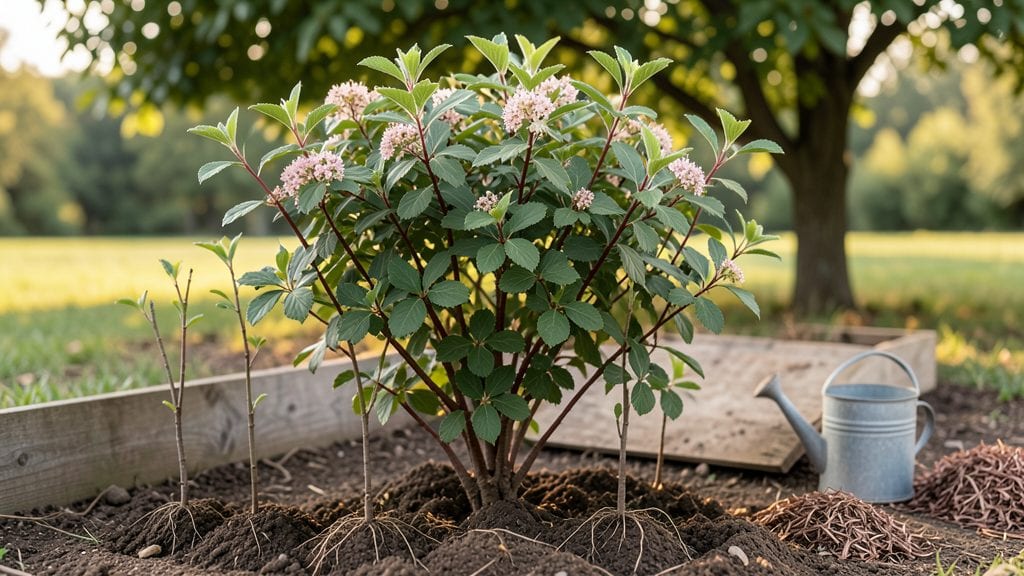
Planting viburnum 🌿 with the right distance is the key to lush, healthy bushes that thrive for years—not just a guess.
Struggling to get your viburnum bushes to thrive? The secret might be hiding in the spacing—plant them too close, and they’ll fight for sunlight; too far, and your garden will look sparse. Discover the exact viburnum planting distance to maximize growth, airflow, and beauty in your landscape.
Whether you’re lining a border or creating a statement specimen, spacing matters more than most gardeners realize. Too little room leads to crowded branches, poor airflow, and even disease, while too much space can leave gaps that look unplanned.
In this guide, I’ll break down the ideal spacing for different viburnum types, how to adjust for your garden’s conditions, and the simple tricks to keep them looking their best for decades.
Optimal viburnum planting distance by species and variety
Viburnums are stunning shrubs that add texture, color, and structure to any garden—but their planting distance makes all the difference. Too close, and they’ll compete for nutrients and sunlight, leading to stunted growth and disease.
Too far apart, and your landscape will look sparse. The key is understanding each variety’s mature size and growth habits to create a thriving, balanced garden.
Most viburnums thrive in well-draining soil with partial shade, but their spacing needs vary dramatically. For example, Viburnum dentatum (arrowwood viburnum) stays compact, while Viburnum plicatum (Japanese snowball) can sprawl into a wide, multi-stemmed beauty. Let’s break down the ideal viburnum spacing for your garden layout.
When planning your viburnum spacing, consider the mature width of each variety. For example, Viburnum plicatum can spread 12-15 feet wide, so planting it 10-12 feet apart ensures it doesn’t crowd neighboring plants.
If you’re creating a hedge, space arrowwood viburnum (Viburnum dentatum) 4-6 feet apart for a dense, natural barrier.
For specimen planting, like a single Japanese snowball viburnum, give it plenty of room—10-12 feet in all directions—to showcase its arching branches and showy flowers.
If you’re planting in rows, like along a driveway or fence line, maintain the recommended spacing to avoid overcrowding and ensure proper airflow.
Proper viburnum spacing isn't just about aesthetics—it's a critical defense against fungal diseases like powdery mildew and pest infestations. When viburnums are crowded, their leaves stay wet longer, creating the perfect breeding ground for pathogens. Meanwhile, tight spacing traps aphids and spider mites between branches, turning your shrubs into a pest buffet. The good news? With the right planting distance, you can create a thriving, healthy viburnum garden that stays vibrant year-round. For most viburnum varieties, the ideal spacing between plants ranges from 3 to 6 feet, depending on their mature size. Dwarf varieties like Viburnum burkwoodii can get by with 3 feet of space, while larger shrubs like Viburnum plicatum (Japanese snowball bush) need 5 to 6 feet to develop properly. This spacing ensures adequate airflow around the foliage, reducing humidity levels and discouraging fungal growth. It also gives roots enough room to spread without competing for nutrients, leading to stronger, more resilient plants. ⚠️ Planting viburnums too close (less than 3 feet) invites disease and pest problems. Overcrowding forces branches to rub together, creating wounds that attract bacterial infections and insects. Meanwhile, spacing them too far (more than 8 feet) can leave gaps in hedges or borders, reducing their visual impact and making maintenance harder. Pro Tip: Measure the mature width of your viburnum variety (found on plant tags) and double it for optimal spacing. For example, a viburnum labeled as 4 feet wide at maturity should be planted 8 feet apart.How to space viburnum plants for maximum airflow and pest control
⚠️ Critical Spacing Rule
When planning your viburnum hedge or border, think beyond just the planting distance. Consider the layout pattern—staggering plants in a brick-like arrangement (rather than rows) creates a more natural look while improving airflow.
For example, if you're planting Viburnum dentatum (arrowwood viburnum) in a hedge, space the first row 4 feet apart, then offset the second row 2 feet behind and 3 feet apart. This technique not only enhances airflow but also adds depth to your landscape design.
For mixed plantings, pair viburnums with companion plants that have different growth habits. Tall ornamental grasses like Miscanthus can be planted 3 to 4 feet away to add height without blocking airflow.
Meanwhile, low-growing perennials like heuchera or ajuga can be tucked 2 feet away to fill gaps while benefiting from the viburnum's drip line. This layered approach keeps your garden dynamic while maintaining the air circulation viburnums need to stay healthy.
Don't forget to account for future growth when spacing viburnums in specimen plantings. A single Viburnum bodnantense (winter beauty) might only need 5 feet of clearance now, but it could spread to 6 feet wide in 10 years.
Give it room to mature without requiring drastic pruning later. If you're planting near a fence or wall, leave at least 3 feet of space behind the shrub to allow for proper airflow and easy maintenance access.
Finally, monitor your viburnums annually and adjust spacing if needed. If you notice yellowing leaves, stunted growth, or excessive pest activity, it may be time to thin out overcrowded areas.
Prune back overlapping branches to open up the center of the plant, and consider transplanting any viburnums that are competing too aggressively for space.
With the right planting distance and ongoing care, your viburnums will reward you with lush foliage, stunning blooms, and years of trouble-free growth. 🌿