Flowers
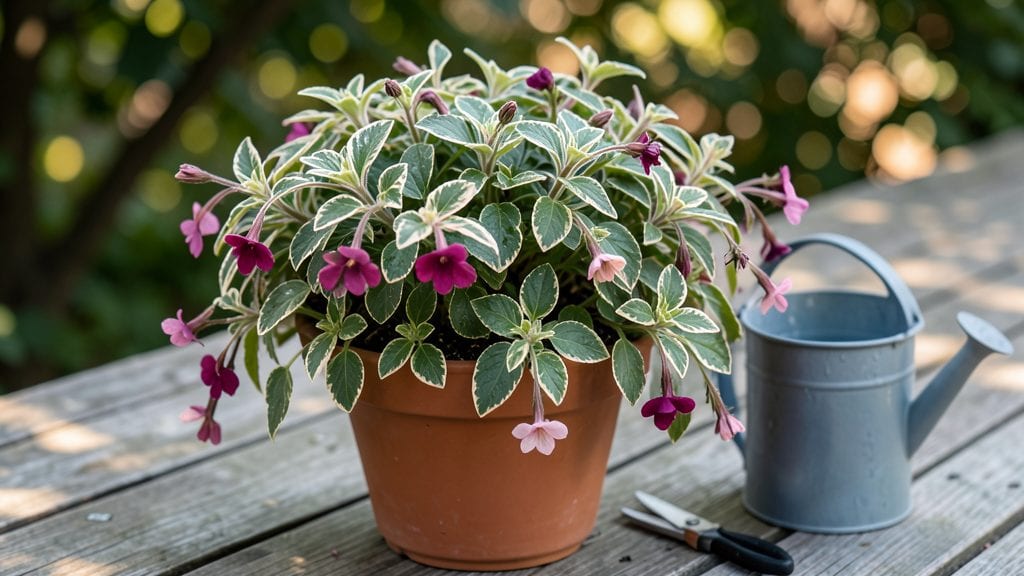
Variegated impatiens plants bring shockingly lush color to shady spots where most flowers refuse to grow. 🌿 I’ve grown them for years, and they’ve never failed to deliver those jewel-toned blooms and striking foliage patterns—even when my other shade plants give up halfway through summer.
The secret isn’t complicated: they just need consistent moisture, the right soil, and a spot where they won’t bake in afternoon sun.
These plants thrive in partial to full shade, making them perfect for under trees, along north-facing walls, or tucked into containers on patios. The soil should stay moist but not soggy—think of it like a well-drained sponge, not a swamp.
A handful of compost mixed into the planting hole gives them the nutrients they crave, and they’ll reward you with blooms from early summer until frost. Variegated varieties like ‘Temptation’ or ‘Super Elfin’ keep their foliage patterns even as they flower, which is where most gardeners miss the mark.
You’ll notice the difference within two weeks of planting: fresh green leaves unfurl, and by midsummer, you’ll have a cascade of blooms in pinks, whites, and purples. The key to keeping them vibrant is regular watering—never let the soil dry out completely—and occasional deadheading to encourage more flowers.
They’re also surprisingly tough once established, shrugging off most pests and diseases that plague other shade plants.
Whether you’re planting them in garden beds or hanging baskets, variegated impatiens bring neighbor-jealousy levels of color without the fuss. They’re the ultimate shade-loving workhorse, and once you try them, you’ll wonder how you ever lived without them. Let’s get them growing!
📚 In This Guide
- What you need
- Instructions
- Tips and common mistakes
- Wrapping up and next steps
What you need
- ● Variegated Impatiens Plants: 3–5 healthy seedlings, transplants, or seed packets (check for Impatiens walleriana or Impatiens hawkeri varieties).
- ● Well-draining potting mix: 5–10 gallons (or enough to fill containers). Look for a mix labeled for shade-loving plants or add perlite/peat moss for aeration.
- ● Containers or garden beds: For containers: 12–14" pots with drainage holes (1–2 plants per container).
- ● For garden beds: A spot with partial to full shade (4+ hours of indirect light daily) and moist, rich soil.
- ● Slow-release fertilizer: 1–2 tablespoons per plant (or follow package instructions for granular options). Opt for a balanced 10-10-10 or shade-tolerant blend.
- ● Mulch: 1–2 inches of organic mulch (e.g., shredded bark or coconut coir) to retain moisture and suppress weeds.
- ● Gloves: A pair of gardening gloves to protect your hands from soil and thorns.
- ● Trowel or hand shovel: For planting and soil amendments.
- ● Watering can or hose with a gentle spray nozzle: Impatiens love moisture—keep soil consistently damp (not soggy!).
- ○ Pruning shears: Optional, for trimming leggy stems or deadheading spent blooms.
- ● Spray bottle (for seedlings): To mist young plants and encourage root growth.
- ○ Support stakes (optional): If growing in full shade, taller varieties may need light staking for stability.
- ● 🌡️ Temperature: Impatiens thrive in 60–75°F ranges—avoid frost (<32°F) or extreme heat.
- ● ✨ Light: If your space gets no direct sun, supplement with a grow light (12–14 hours/day) for lush growth.
- ● 💧 Watering hack: Use a self-watering system (like a drip irrigation line) to keep roots happy without overwatering.
Step-by-step guide to planting and caring for variegated impatiens
Here’s how to grow these showstopping shade plants with bold foliage and nonstop blooms.
🪴 Step 1: Choose the Right Containers and Soil Mix
Variegated impatiens thrive in well-draining, rich soil that holds moisture without becoming soggy. Use 4-inch pots for each plant, as their roots spread shallowly but densely. I fill each pot with a blend of 2 parts potting mix and 1 part perlite—this keeps roots aerated while retaining enough moisture for their shade-loving nature.
Fill the pot ¾ full with the mix, leaving room for the root ball. Press down lightly to remove air pockets, but don’t compact it too tightly—impatiens hate suffocating roots. A slow-release fertilizer (like 5-10-5) mixed into the soil at planting gives them a steady nutrient boost without risk of burning.
🌱 Step 2: Plant and Water for Immediate Establishment
Gently remove the impatiens from their nursery pot and loosen the roots if they’re circling. Place the plant in the center of the container, ensuring the top of the root ball sits just below the rim—this prevents stem rot from overwatering. Fill the remaining space with more of your soil mix, pressing lightly around the edges to secure the plant.
Water deeply until moisture runs out the drainage holes, then let excess drain completely. Impatiens wilt dramatically when thirsty, so I water them every 2-3 days until new growth appears—this ensures they never dry out. Avoid wetting the leaves when watering; instead, aim for the soil to prevent fungal issues like powdery mildew.
☀️ Step 3: Position for Partial to Full Shade
Variegated impatiens refuse to bloom in direct sun—their leaves scorch and variegation fades. Place them in bright, indirect light or dappled shade, like under a tree canopy or on an east-facing porch. A north-facing window works indoors, but avoid south or west exposures where afternoon sun intensifies.
Rotate the pots a quarter turn weekly to encourage even growth—you’ll notice stems leaning toward the light if they’re not getting balanced exposure. If you see pale, stretched leaves, move them closer to the light source. Conversely, dark green leaves with no variegation mean they’re getting too much shade.
💧 Step 4: Maintain Consistent Moisture and Fertility
These plants hate drying out, so I check soil moisture daily during hot spells by sticking my finger 1 inch deep—if it’s dry, it’s time to water. Use room-temperature water to avoid shocking the roots, and always water at the base. Overhead watering can cause the variegated leaves to develop unsightly brown edges.
Feed every 4-6 weeks with a balanced liquid fertilizer (like 10-10-10) diluted to half strength. You’ll see a surge in blooms and richer variegation within weeks of consistent feeding. If the soil dries out completely between waterings, the plant may drop buds or leaves—this is a sure sign of stress.
✂️ Step 5: Prune and Deadhead for Longer Blooms
Pinch back leggy stems just above a leaf node to encourage bushier growth. I do this every 2-3 weeks during the growing season, and you’ll notice new side shoots forming within 7-10 days. This keeps the plant compact and prevents it from becoming top-heavy.
Deadhead spent blooms by snipping the stem ¼ inch above the next set of leaves—this redirects energy into producing more flowers instead of seed pods. Variegated impatiens bloom continuously if you stay on top of this, but if you see fewer blooms and more seed pods, it’s time to prune aggressively and fertilize again.
Tips & tricks for perfect variegated impatiens
Here's what I've learned after years of growing these stunning shade plants—these details make all the difference between average and showstopping variegated impatiens.
Soil Mix Secret: While the 2:1 ratio of potting mix to perlite works beautifully, I've found adding a handful of coco coir to each pot creates an even more ideal moisture-retention balance. This extra organic matter mimics their natural forest-floor habitat while preventing the perlite from drying out too quickly. The key is to keep that mix loose and aerated—impatiens roots need oxygen as much as moisture.
Root Ball Positioning: When placing your impatiens in the 4-inch pots, don't just eyeball the depth. Use a pencil to mark where the top of the root ball should sit—just below the rim. This prevents stem rot while ensuring the roots have enough space to spread outward. I've seen too many plants develop rot simply because they were planted too deeply.
Watering Technique: The "every 2-3 days" guideline is perfect for average conditions, but I've learned to adjust based on the season. During spring and fall, you can often stretch to 3-4 days between waterings, while summer heat may require daily checks. Always water until it runs out the drainage holes—this ensures the entire root zone gets hydrated, not just the surface.
Light Rotation Strategy: That weekly quarter-turn rotation makes a world of difference, but here's the pro move: use a small piece of tape on the pot to mark the direction each week. This prevents you from accidentally rotating back to the previous position, which can create uneven growth patterns. Think of it like a plant sun dial!
Pro Tips for Variegated Impatiens Plants
- Here's what I've learned after years of growing these stunning shade plants—these details make all the difference between average and showstopping variegated impatiens.
- Soil Mix Secret: While the 2:1 ratio of potting mix to perlite works beautifully, I've found adding a handful of coco coir to each pot creates an even more ideal moisture-retention balance.
- Root Ball Positioning: When placing your impatiens in the 4-inch pots, don't just eyeball the depth.
Frequently asked questions
Got questions about keeping your variegated impatiens thriving?
You’re not alone! Here are answers to the most common queries—from care tips to troubleshooting—so you can enjoy their stunning blooms all season long.
How often should I water variegated impatiens?
Keep the soil consistently moist but not soggy—water when the top inch feels dry. These plants love humidity! In hot weather, water daily in the morning to prevent wilting. Pro tip: Use a spray bottle for foliage to mimic their tropical habitat.
When is the best time to plant variegated impatiens?
Plant them after the last frost (spring) or as summer bedding plants. They thrive in partial to full shade, so avoid direct sun. For year-round blooms, start seeds indoors 8–10 weeks before your last frost date.
What pests commonly affect variegated impatiens, and how do I treat them?
Watch for aphids, spider mites, or slugs. Blotch leaves with soapy water for aphids, use neem oil for mites, and set beer traps for slugs. Preventative tip: Mulch around plants to deter pests naturally.
Can variegated impatiens survive winter?
No—they’re annuals in most climates. However, in mild winters (Zones 9–11), they may persist. For repeat blooms, replant seeds or cuttings in spring. Bonus: Deadhead spent blooms to encourage new growth!
What are good companion plants for variegated impatiens?
Pair them with ferns, hostas, or caladiums for a lush, shaded garden. Avoid aggressive plants like mint or invasive ground covers. Their trailing habit makes them perfect for hanging baskets or woodland gardens!
Wrapping up and next steps
Variegated impatiens plants bring a burst of color and life to shady spots, making them a must-have for gardeners who love year-round blooms! 🌿 Their low-maintenance charm and striking foliage prove that even the trickiest spaces can shine—literally.
Whether you’re a seasoned gardener or just starting, these beauties reward patience with nonstop beauty.
Ready to transform your garden? Start small—plant a few variegated impatiens in a pot or shady bed, and watch them thrive! For even more inspiration, explore shade-loving plant combos or share your progress with fellow plant enthusiasts. Happy gardening! 🌸