
Pruning
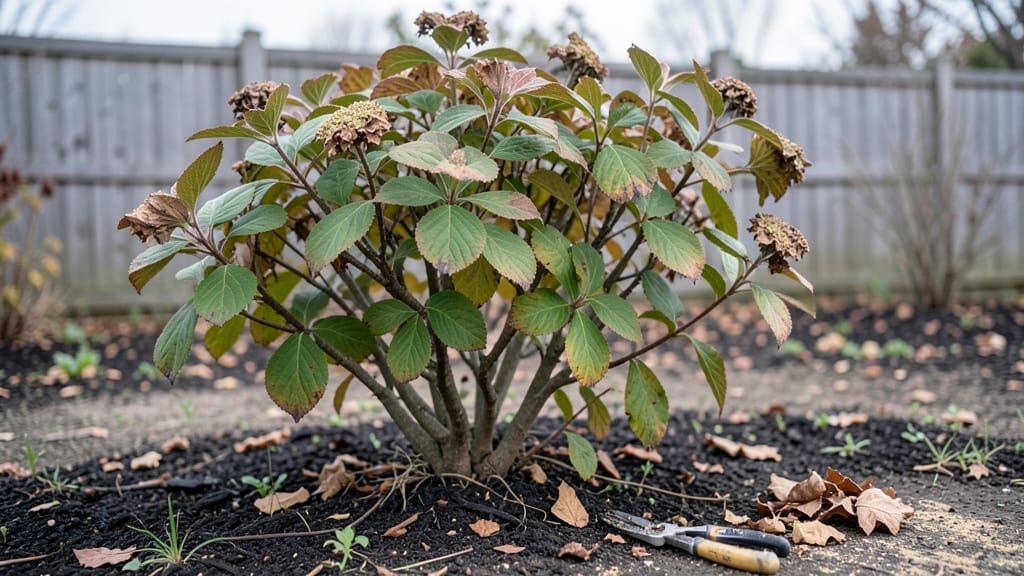
Trimming plants in fall isn’t just cleanup—it’s the secret to stronger roots and more vigorous spring growth. I learned this the hard way after hacking back my roses in late fall and watching them struggle the next season.
The right cuts now mean fewer dead branches and fuller blooms by May.
Timing matters more than technique. Deciduous shrubs like hydrangeas and lilacs should be pruned after leaves drop but before hard frost, while evergreens like boxwoods wait until late winter. Grab sharp shears, a bucket for clippings, and a sunny afternoon—this won’t take long, but it makes all the difference.
You’ll end up with plants that look tidy now and thrive next year. No more leggy stems or weak growth—just compact, healthy shapes ready to bounce back.
The key is cutting at a slight angle just above a bud, never leaving stubs. That small detail prevents rot and encourages new shoots.
Works for perennials, shrubs, and even some trees—just avoid pruning spring-blooming plants now. Here’s exactly how to do it right, step by step, so your garden comes back stronger than ever.
📚 In This Guide
- What you need
- Instructions
- Tips and common mistakes
- Wrapping up and next steps
What you need
- ● Pruning shears: Bypass pruners (sharp, 4- to 6-inch blades) for clean cuts on small branches.
- ● Loppers: 18- to 24-inch handles for thicker branches (up to 1.5 inches in diameter).
- ● Pruning saw: Curved or straight blade for branches over 2 inches thick.
- ● Gloves: Heavy-duty, gardening-grade to protect against thorns and rough bark.
- ● Disinfectant: Rubbing alcohol (70%+) or bleach solution (1 part bleach to 9 parts water) to sterilize tools between cuts.
- ● Ladder or step stool: Sturdy and tall enough to reach higher branches safely.
- ● Hand pruners with ratchet: For extra leverage on stubborn branches.
- ● Extension pole saw: For high or hard-to-reach areas.
- ● Marking spray or tape: To label cuts for future reference.
- ● Compost bin or bags: For collecting pruned debris.
- ● Safety glasses: To shield eyes from flying debris.
- ● Check the weather forecast—aim for a dry, overcast day to avoid stressing plants.
- ● Review your plant’s specific needs—some (like spring-flowering shrubs) should be pruned after blooming.
- ● Have a clean workspace with a tarp or sheet to collect fallen leaves/debris.
Step-by-step instructions for late-season pruning
Here's how to clean up your garden without damaging next year's growth.
Choose the Right Time to Prune
The best window for fall pruning is after your first frost when plants have entered dormancy but before hard freezes set in. I wait until temperatures drop to 25-30°F at night—this ensures plants aren't actively growing but still have some energy reserves. Pruning too early can stimulate new growth that won't survive winter, while waiting too long risks cutting back plants that are already stressed by cold.
Look for plants that have lost most of their leaves or show brown, crispy foliage. These are clear signs dormancy has begun. For evergreens, prune after 6-8 weeks of cooler weather (below 50°F consistently) to avoid stressing them before winter. The goal is to remove dead or damaged material while leaving the plant's energy intact for spring.
Assess and Remove Dead or Damaged Growth
Start by examining each plant closely. Dead branches are brittle and snap easily when bent—these should be removed completely. Diseased foliage or stems with spots, mold, or unusual discoloration also need to go. I use clean, sharp pruners to make 45-degree cuts just above a healthy bud or lateral branch. This encourages new growth in the right direction next spring.
For perennials, cut back any stems that have died back to the ground. You'll notice these as brown, woody stalks with no green remaining. Leave 2-3 inches of stubble above the soil line—this prevents rot while allowing new shoots to emerge from lower buds. Avoid cutting into old wood, as this won't regrow and can leave unsightly scars.
Thin Out Crowded or Weak Growth
Next, focus on improving airflow and light penetration by thinning out crowded branches. Look for stems that cross over each other or grow inward toward the center of the plant. These compete for resources and create shady, humid conditions that invite disease. Remove one-third of the oldest or weakest stems at the base, cutting back to a strong lateral branch or bud.
For shrubs, I step back and visualize the plant's natural shape. If a branch is growing in an awkward direction or spoiling the overall form, prune it out entirely. You'll see a more open, balanced structure that lets sunlight reach the center. Avoid over-thinning—never remove more than 25% of the plant's foliage in one session, as this stresses the plant before winter.
Clean Up and Prepare for Winter
After pruning, gather all the clippings and dispose of them properly. Diseased material should go in the trash (not compost) to prevent reinfecting your garden. I like to rake up fallen leaves and debris around the base of plants to reduce hiding spots for pests and diseases. This also helps prevent soil-borne issues from spreading in spring.
Apply a 2-3 inch layer of mulch around the base of perennials and shrubs, keeping it 3-4 inches away from stems to prevent rot. This insulates roots from temperature swings and retains moisture. Water deeply before the first hard freeze to ensure plants are hydrated for winter dormancy. A final check for any remaining dead or weak growth completes the process.
Tips & tricks for perfect late-season pruning
These practical strategies will help you prune with confidence and set your garden up for a stronger spring.
Timing is Everything: The window between 25-30°F nighttime temperatures is your sweet spot for fall pruning. I've learned this the hard way—pruning too early can shock plants into growing new shoots that won't survive winter, while waiting too long can stress already dormant plants. Check your local frost dates and watch for plants that have lost most of their leaves or show brown, crispy foliage. For evergreens, wait those crucial 6-8 weeks of consistent 50°F weather to give them time to adjust.
Pruning Technique Matters: When removing branches in Step 2, always make 45-degree cuts just above a healthy bud or lateral branch. This angle helps water run off the cut and prevents rot. For perennials, leaving 2-3 inches of stubble above the soil line is better than cutting too close—it protects against rot while allowing new growth to emerge from lower buds. I've seen too many gardens where over-pruning left plants looking like they'd been scalped, only to struggle in spring.
Visualize the Plant's Shape: Before you start cutting in Step 3, step back and visualize the plant's natural form. Remove one-third of the oldest or weakest stems at the base, but never take more than 25% of the foliage in one session. This open structure lets sunlight reach the center, improving airflow and reducing disease risk. I like to think of it as giving the plant a haircut that works with its natural shape rather than against it.
Cleanup Prevents Problems: After pruning, don't just pile clippings in the compost—diseased material needs to go in the trash to prevent reinfecting your garden. Raking up fallen leaves and debris reduces hiding spots for pests. When applying that 2-3 inch layer of mulch, keep it 3-4 inches away from stems to prevent rot. This final cleanup step makes all the difference in preventing springtime issues.
Pro Tips for Trimming Plants In Fall
- These practical strategies will help you prune with confidence and set your garden up for a stronger spring.
- Timing is Everything: The window between 25-30°F nighttime temperatures is your sweet spot for fall pruning.
- Pruning Technique Matters: When removing branches in Step 2, always make 45-degree cuts just above a healthy bud or lateral branch.
Frequently asked questions
Got questions about trimming plants in fall? You’re not alone—let’s clear up the common confusion with these expert-approved answers!
When is the best time to trim plants in fall?
The ideal window is late summer to early fall, typically between mid-August and October, depending on your climate. This timing encourages new growth before winter dormancy while avoiding stress from harsh cold. For perennials, aim to finish pruning 4–6 weeks before your first frost—this gives them time to harden off.
Should I trim dead or diseased branches right away?
Yes, but do it carefully! Remove any dead, diseased, or damaged branches immediately to prevent pests and pathogens from spreading. Use clean, sharp pruners and disinfect tools with rubbing alcohol between cuts. Wait to do major structural pruning until late fall, though—this can stimulate tender new growth that won’t survive winter.
What if I missed fall pruning—can I do it in early spring instead?
Not ideal, but spring pruning is better than none! If you skipped fall, trim right after the last frost to promote early-season growth. Avoid heavy cuts in early spring—opt for light maintenance (removing dead wood, shaping) to let the plant focus on regrowth. For perennials, you can also delay spring pruning until they’ve put out fresh foliage.
How do I know if I’m over-pruning my plants?
Over-pruning shows up as unhealthy signs like:
- Excessive leaf drop or wilting
- Fungal growth (e.g., powdery mildew) from exposed stems
- No new buds forming in spring
Rule of thumb: Never cut more than 1/3 of the plant’s foliage in one session. If you’re unsure, err on the side of less—plants recover better from under-pruning than over!
Are there plants I should never trim in fall?
Some plants store energy in their roots or stems over winter, so fall pruning can weaken them. Avoid trimming these until spring:
- Herbaceous perennials (e.g., hostas, asters) – Cut back after they die back in early spring.
- Newly planted trees/shrubs – Wait until next spring to encourage root growth.
- Evergreens (like boxwood or pine) – Prune lightly in late winter instead.
Always research your specific plant—some, like hydrangeas, need fall pruning for blooms!
Wrapping up and next steps
Fall is the perfect time to give your plants a little TLC—pruning now sets the stage for vibrant, healthier growth next spring! By removing dead or overgrown branches, improving airflow, and shaping your plants, you’re not just tidying up—you’re investing in their future.
Whether you’re a seasoned gardener or just starting out, every snip counts toward stronger, more resilient plants.
Ready to take the next step? Grab your tools, pick a crisp fall day, and roll up your sleeves! Your garden’s comeback story starts with you—happy pruning! 🌿✂️