Picking
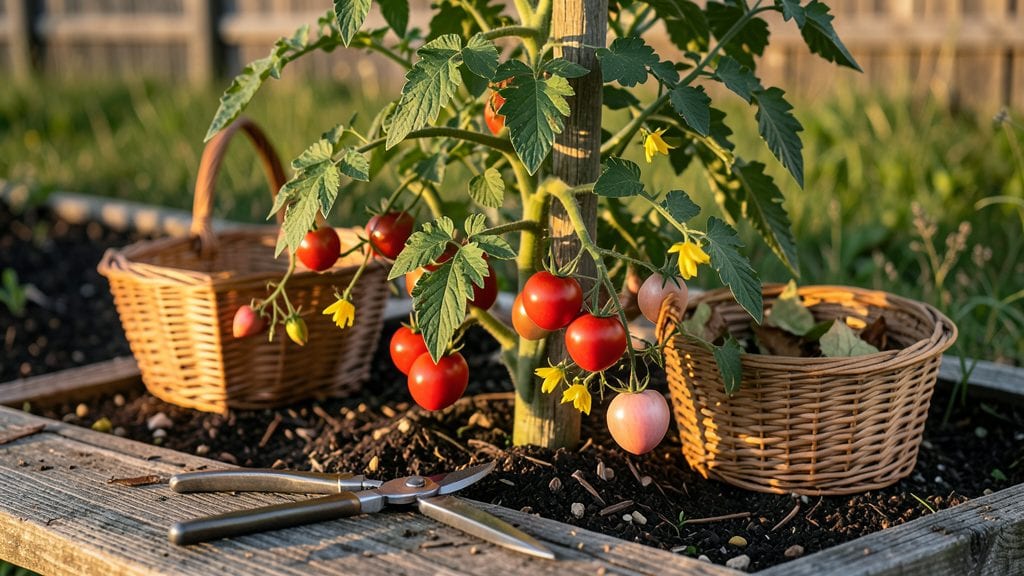
The art of tomato plant harvesting turns a garden’s promise into a symphony of sun-ripened flavor—when you time it right. you of that sweet, rich flavor we all crave. The secret lies in color, firmness, and even the way they smell when you hold them.
You’ll need just a few simple tools: sharp pruners or a small knife for clean cuts, a basket or bucket for collecting, and a damp cloth to wipe away dirt.
The key is timing—most varieties ripen in 75-85 days from transplant, but heat waves or heavy rains can speed things up. Check your plants every 2-3 days once they start coloring up, because tomatoes won’t get sweeter after picking.
When you do harvest, give each tomato a gentle squeeze—it should yield slightly without feeling mushy. The stem should pull away cleanly, leaving a small "scar" that helps the plant redirect energy to other fruit.
Store them at room temperature until fully ripe, then move to a cool, dark place to extend freshness. This method keeps tomatoes tasting like summer for weeks after the vine stops producing.
Here’s the thing—every garden has its own rhythm. Some years, you’ll battle early blight or cracking fruit; other years, you’ll have so many tomatoes you’ll wonder what to do with them all.
The goal isn’t perfection, but learning to read your plants and adjust. Once you master this, you’ll never buy tomatoes again—because homegrown beats anything at the grocery store.
📚 In This Guide
- What you need
- Instructions
- Tips and common mistakes
- Wrapping up and next steps
What you need
- ● Garden shears or pruning scissors – Sharp, clean, and sterilized (1 pair). Look for bypass-style blades to avoid crushing stems.
- ● Harvest basket or bucket – Lightweight, breathable (1-2). A mesh-lined basket keeps tomatoes from bruising.
- ○ Gloves (optional but helpful) – Thin, nitrile-coated for grip and protection from thorns or dirt.
- ● Labeling tags or markers – Waterproof (pack of 10-20) to track tomato varieties if growing multiple types.
- ● Spray bottle with water – For rinsing off dirt (small, 8-16 oz).
- ● Plastic or cardboard trays – For sorting (2-3). Use shallow, flat-bottomed trays to prevent rolling.
- ● Mature tomato plants – Vines with 2-3 main stems and visible fruit (green, breaking color, or ripe).
- ● Sunny, dry weather – Avoid harvesting after rain to prevent disease spread.
- ● Knowledge of your tomato varieties – Determinate vs. indeterminate affects when and how you harvest.
- ● Patience! – Wait until tomatoes are fully ripe for peak flavor (unless you’re harvesting for cooking or preservation).
- ● Bring a small cooler if harvesting large quantities—keeps tomatoes crisp for 2-3 days in the fridge.
- ● Use a ladder for tall indeterminate plants (if needed) to avoid straining.
- ● Wear long sleeves and pants—some varieties (like Brandywine) have sharp thorns!
Step-by-Step instructions for harvesting tomatoes at peak ripeness
Harvesting tomatoes at the right moment transforms a simple garden task into a bounty of flavorful rewards.
Identify the Perfect Ripeness Stages
Tomatoes ripen in stages, and each offers a unique flavor profile. Green tomatoes are firm and acidic, perfect for cooking but lacking sweetness. Look for the first blush of color—pink, yellow, or orange—as a sign of early ripening. These tomatoes are still firm but beginning to develop sugars.
At peak ripeness, tomatoes should yield slightly to gentle pressure near the stem end. The color deepens fully—bright red, golden yellow, or deep purple, depending on the variety. A ripe tomato also releases a sweet, fragrant aroma when gently squeezed. Harvest these first for the best flavor in salads and fresh eating.
Determine the Best Time of Day to Harvest
Morning is the ideal time to harvest tomatoes because temperatures are cooler, and the fruit has had overnight to absorb water and sugars. This makes them juicier and more flavorful. Avoid harvesting in the heat of the day, as the fruit can be water-stressed and less vibrant.
If you miss morning, harvest in the late afternoon when temperatures begin to drop. Never harvest after a heavy rain, as wet tomatoes are prone to cracking and disease. Use clean, sharp pruning shears or scissors to cut stems at a 45-degree angle, leaving ¼ inch of stem attached to the fruit. This prevents water from pooling on the cut end and slows spoilage.
Handle Tomatoes Gently to Preserve Quality
Tomatoes are delicate, and rough handling bruises the skin, leading to premature softening and spoilage. Hold them by the stem end, never by the fruit itself, to avoid crushing. Place harvested tomatoes in a single layer inside a paper bag or cardboard box—this allows airflow and prevents moisture buildup, which can cause mold.
Store harvested tomatoes at room temperature (around 65-75°F) until fully ripe. Refrigerating tomatoes too early stops the ripening process and dulls their flavor. Once fully ripe, they can be moved to the fridge for short-term storage, but they’ll lose some of their freshness and sweetness over time.
Manage Ongoing Harvests to Extend the Season
Regular harvesting encourages the plant to produce more fruit. Pinch off any suckers—those small shoots growing in the leaf axils—so the plant focuses its energy on ripening existing tomatoes rather than growing new foliage. This also improves airflow around the plant, reducing the risk of fungal diseases like blight.
If frost threatens before all tomatoes ripen, harvest green or partially ripe fruit and store it in a cool, dark place (around 55-60°F) for a few weeks. These tomatoes will continue to ripen slowly. Alternatively, you can slice and dry them for long-term storage, preserving their tangy flavor for later use.
Know When to Stop Harvesting
Tomato plants signal the end of their productive season when leaves yellow and drop, or when new growth stalls. At this point, harvest any remaining green or ripe tomatoes, as the plant will no longer support new fruit development. Remove the entire plant from the garden once it’s spent to prevent pests and diseases from overwintering in the soil.
Compost healthy plant debris, but avoid composting diseased or pest-ridden plants. This ensures your garden stays clean and productive for next season. With proper care, a single tomato plant can yield 10-20 pounds of fruit, making harvesting a rewarding and delicious process.
Tips & tricks for perfect tomato plant harvesting
A few simple strategies can make all the difference between average tomatoes and garden-fresh perfection.
Ripeness Test: In Step 1, when checking for peak ripeness, gently squeeze the tomato near the stem end—it should yield slightly, like a ripe avocado. If it feels too firm, it needs more time on the vine. The color should be fully vibrant, not just a faint blush. A sweet, fragrant aroma is the final confirmation. I’ve learned that tomatoes harvested at this stage have the best balance of sweetness and acidity for fresh eating.
Timing Secret: The morning harvest in Step 2 is non-negotiable for juicy tomatoes. Cooler temperatures preserve moisture and intensify flavor. If you must harvest later, wait until late afternoon when temperatures begin to drop. I once harvested in the midday heat and ended up with tomatoes that were watery and bland—don’t make my mistake! The ¼-inch stem attachment in Step 2 is also crucial; it prevents water pooling that leads to rot.
Storage Wisdom: Step 3’s room temperature storage (65-75°F) is key for ripening. I’ve found that tomatoes stored in paper bags at this temperature continue to develop flavor for days. Once fully ripe, moving them to the fridge is fine for short-term storage, but they’ll lose some of their freshness. For long-term storage, consider drying or canning—both methods preserve flavor without refrigeration.
Season Extension: In Step 4, don’t overlook the importance of removing suckers. I used to ignore them, thinking they didn’t matter, but they actually divert energy from fruit production. When frost threatens, harvesting green tomatoes and storing them at 55-60°F is a game-changer. They’ll ripen slowly and give you a second harvest when other garden produce is scarce.
Pro Tips for Tomato Plant Harvesting
- A few simple strategies can make all the difference between average tomatoes and garden-fresh perfection.
- Ripeness Test: In Step 1, when checking for peak ripeness, gently squeeze the tomato near the stem end—it should yield slightly, like a ripe avocado.
- Timing Secret: The morning harvest in Step 2 is non-negotiable for juicy tomatoes.
Frequently asked questions
about tomato plant harvesting can help you avoid common mistakes and maximize your harvest. Here are some of the most common questions—and their answers!When is the best time of day to pick tomatoes?
Harvest tomatoes in the morning when temperatures are cooler and humidity is lower. This reduces stress on the plant and helps preserve flavor. Avoid picking during extreme heat or after heavy rain, as this can lead to cracks or disease.
How do I know if a tomato is fully ripe?
A ripe tomato should be firm but slightly soft to the touch, with a vibrant color (red, yellow, or purple, depending on the variety). The stem should easily twist off without resistance. If it’s still hard or green, wait a few days—overripe tomatoes can split or attract pests.
What should I do if my tomatoes split before ripening?
Splitting happens due to uneven watering or sudden rain after a dry spell. To prevent it, water consistently (1–2 inches per week) and mulch around plants. If splitting occurs, pick the tomatoes as soon as possible—they’re still edible! Use them in sauces or salsas to avoid waste.
Can I pick tomatoes before they’re fully red and ripen them indoors?
Yes! Pick tomatoes when they’re pale green or turning color (like a "breaker" stage) and place them in a cool, dry spot (60–70°F). Avoid refrigerating them—this can ruin flavor. They’ll ripen in 3–7 days. For faster ripening, add a banana or apple to the container (ethylene gas speeds it up!).
What’s the best way to store harvested tomatoes?
Store ripe tomatoes at room temperature (not in the fridge!) in a single layer to prevent bruising. For long-term storage, refrigerate only after they’ve fully ripened—this slows softening but can dull flavor. Use within a week for peak taste, or preserve them in sauces, salsas, or canning.
Wrapping up and next steps
Harvesting your tomato plants at the right time ensures bursting flavor, maximum yield, and healthier vines—so you’ve got this! 🌱 Whether you’re a seasoned gardener or just starting, timing and technique make all the difference.
Now that you’re armed with the best practices, go ahead and savor the fruits of your labor—literally!
Your next step? Plan your next harvest—maybe even experiment with heirloom varieties or try preserving your bounty. Happy growing!