
Companion Plants
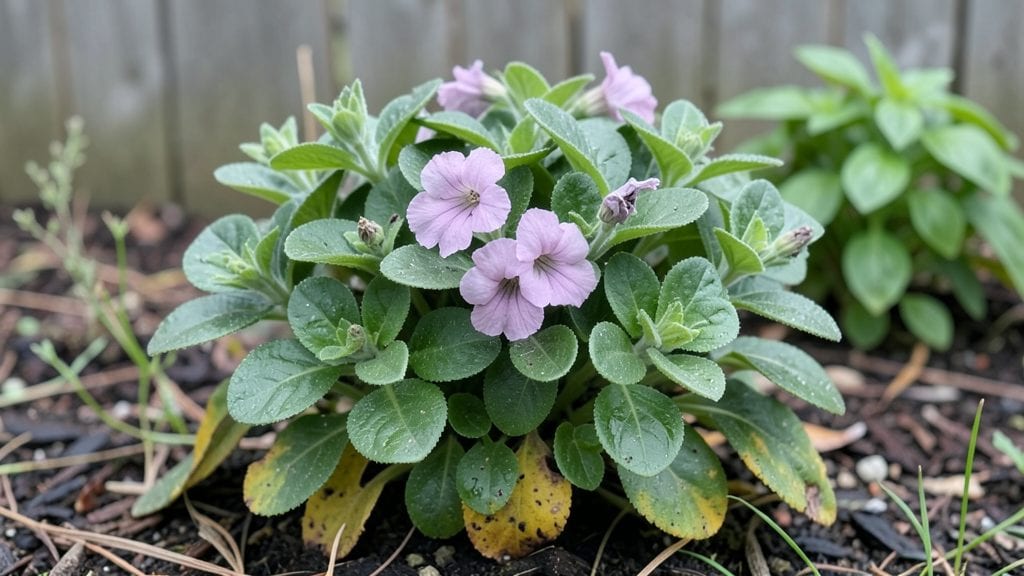
The care for these sunpatiens plants has been a breeze—unlike regular impatiens, which wilt into sad, droopy piles. 🌞 I’ve grown them for years, and they’ve never once let me down—even in the blazing midday heat.
The secret lies in their tolerance for heat and sun, but they still need a few key things to stay happy and blooming.
Start with well-draining soil mixed with compost, and plant them where they’ll get at least 6 hours of direct sun daily. Water deeply when the top inch of soil feels dry, but avoid soggy roots—sunpatiens hate sitting in wet feet.
A balanced fertilizer every 4-6 weeks keeps them producing those vibrant blooms, and a light trim after each flush of flowers encourages even more growth.
You’ll end up with plants that stay compact, bushy, and covered in flowers from spring until frost. The blooms come in every color imaginable, and they don’t need deadheading like some other annuals. Even better, they bounce back from pests like aphids and spider mites with minimal fuss.
Works just as well in containers as in garden beds, making them perfect for patios, window boxes, or even hanging baskets. Once you try them, you’ll wonder why you ever grew shade-loving impatiens before.
📚 In This Guide
- What you need
- Instructions
- Tips and common mistakes
- Wrapping up and next steps
What you need
- ● Sunpatiens plants: Choose disease-resistant varieties (e.g., Sunpatiens ‘Wave’ or ‘Superbells’) from a nursery or online retailer. Start with 3–6 plants for a balanced container or garden bed.
- ● Containers (if not planting in ground): 5–7 gallon pots with drainage holes (terracotta or fabric pots work best). For hanging baskets, opt for 12–14” diameter with 3–4” deep soil capacity.
- ● High-quality potting mix: 1 bag (2–3 cubic feet) of well-draining mix (e.g., Metro-Mix 360 or Miracle-Gro Moisture Control). Avoid garden soil—it compacts too easily!
- ● Slow-release fertilizer: 10–10–10 or 14–14–14 NPK blend (e.g., Osmocote Smart-Release Plant Food). Use 1 tbsp per plant at planting.
- ● Watering can or hose with gentle spray nozzle: Sunpatiens hate soggy roots—aim for deep but infrequent watering (1–1.5 gallons per container, 2–3x/week in summer).
- ● Pruning shears: Sharp, bypass-style (e.g., Fiskars) for deadheading and shaping.
- ○ Gloves (optional): Protect your hands from thorns on some varieties (e.g., Sunpatiens ‘Crackerjack’).
- ○ Mulch (optional): 2–3” layer of pine bark fines or cocoa coir to retain moisture and suppress weeds.
- ○ Plant stakes or cages (optional): For trailing varieties (e.g., ‘Superbells Lemon Lime’), use 6–12” tall bamboo stakes or coco fiber cages.
- ○ Liquid fertilizer (optional): Fish emulsion (5-5-5) or seaweed extract for a mid-season boost (dilute to ½ strength).
- ● Sunlight: 6+ hours of direct sun daily (partial shade in zones 9–11 to prevent leaf scorch).
- ● Temperature: Thrives in 50–90°F; protect from below 40°F (use frost blankets if needed).
- ● Drainage: No standing water! Ensure containers or beds have gravel or perlite at the bottom if natural drainage is poor.
Step-by-Step instructions for growing sunpatiens year-round
Here’s how to keep your sunpatiens vibrant with just a few simple, low-maintenance steps.
🌱 Step 1: Pick the Perfect Spot for Sunpatiens
Sunpatiens thrive in full sun to partial shade, but they’re tougher than traditional impatiens—so don’t shy away from hotter spots. I always place mine where they get at least 4-6 hours of direct sunlight daily, especially in cooler months. If your climate gets scorching summers, a spot with afternoon shade works best.
Check the soil first—sunpatiens hate soggy roots, so ensure the area drains well. If your garden holds water, amend the soil with a handful of perlite or sand to improve drainage. You’ll know you’ve got it right when water drains through the soil within 10-15 minutes after watering.
💧 Step 2: Water Consistently Without Overdoing It
Water sunpatiens when the top inch of soil feels dry—usually every 2-3 days in hot weather, but less often in cooler months. I water deeply at the base (not overhead) to encourage strong root growth. Overwatering is the #1 killer, so always check soil moisture before adding more water.
Mulch around the base with 2-3 inches of organic mulch to retain moisture and keep roots cool. You’ll see healthier foliage and fewer wilting leaves when the soil stays consistently moist but not waterlogged. If leaves start curling or yellowing, it’s a sign you’re watering too much.
☀️ Step 3: Feed Monthly for Continuous Blooms
Sunpatiens are heavy bloomers, so they need regular feeding. Use a balanced, water-soluble fertilizer (10-10-10) every 4-6 weeks during the growing season. I mix it at half-strength to avoid burning delicate roots—always follow the label for exact measurements.
Stop fertilizing in late summer as plants prepare for dormancy. You’ll notice fewer blooms if you over-fertilize, so consistency is key. If your sunpatiens look leggy or sparse, they’re likely hungry—just add a little more fertilizer next time.
✂️ Step 4: Prune and Deadhead for Bushier Growth
Pinch back leggy stems in early spring to encourage bushier growth. Use clean, sharp scissors to snip just above a leaf node—this tells the plant to branch out. I also remove spent blooms regularly to keep flowers coming. Deadheading isn’t mandatory, but it extends the blooming season.
If your sunpatiens get too crowded, thin them out by removing the weakest stems. You’ll see fuller, healthier plants within weeks. Avoid heavy pruning in late summer, as it can stress the plant before winter.
🪴 Step 5: Protect From Frost and Winter Conditions
Sunpatiens are tender perennials, so they won’t survive hard freezes. In colder climates, dig up tubers in fall, store them in dry peat moss, and replant next spring. In milder zones, mulch heavily with 4-6 inches of straw or leaves to insulate roots.
If you’re keeping them as annuals, simply remove dead foliage in fall and replant fresh tubers in spring. You’ll have a fresh, vibrant display year after year with minimal effort.
Tips & tricks for perfect sunpatiens care
Keeping sunpatiens thriving doesn't have to be complicated—just a few smart tricks make all the difference.
Soil Test First: Before planting, do a quick soil test by digging a small hole and filling it with water. If water drains through in less than 10 minutes, your soil is perfect. If it pools, mix in perlite or sand to improve drainage—this prevents the #1 killer of sunpatiens, root rot. I always test drainage before planting to avoid future headaches.
Watering Wisdom: The 2-3 day watering schedule works best when you check the top inch of soil with your finger. If it feels dry, water deeply at the base until moisture reaches 6 inches down. Morning watering prevents fungal issues from evening moisture, and mulching with 2-3 inches of organic material keeps roots consistently moist without overwatering.
Fertilizer Timing: That 4-6 week feeding schedule is perfect, but here's the secret: split your fertilizer dose into two applications—half in early spring and half mid-summer. This prevents nutrient burn while keeping blooms abundant. I also switch to a bloom booster formula (like 10-30-20) in late spring to encourage more flowers.
Pruning Pro Tip: When pinching back leggy stems in Step 4, look for the first set of leaves after the base. Snip just above this point to encourage branching. For deadheading, remove spent blooms by cutting the stem just below the flower head—this redirects energy to new blooms rather than seed production. I deadhead every 2-3 days during peak bloom season for nonstop flowers.
Pro Tips for Sunpatiens Plants Care
- Keeping sunpatiens thriving doesn't have to be complicated—just a few smart tricks make all the difference.
- Soil Test First: Before planting, do a quick soil test by digging a small hole and filling it with water.
- Watering Wisdom: The 2-3 day watering schedule works best when you check the top inch of soil with your finger.
Frequently asked questions
Got questions about keeping your Sunpatiens thriving? You’re not alone! Here are answers to the most common concerns—so you can enjoy vibrant blooms with confidence.
How often should I water Sunpatiens?
Water them when the top inch of soil feels dry. In hot weather, this could be daily, while cooler months may only need watering every 2–3 days. Pro tip: Check soil moisture with your finger—overwatering is a bigger threat than underwatering!
When is the best time to plant Sunpatiens?
Sunpatiens thrive year-round in warm climates (Zones 9–11), but in cooler areas, plant them after the last frost (spring) or use them as annuals. For containers, start seeds indoors 6–8 weeks before the last frost for a head start. Pro tip: Wait until nighttime temps stay above 50°F (10°C) to avoid frost damage.
What pests should I watch for, and how do I treat them?
Common pests include aphids, spider mites, and whiteflies. Treat mild infestations with a strong spray of water or insecticidal soap. For severe cases, neem oil or horticultural oil works well. Pro tip: Inspect leaves regularly—early action prevents outbreaks!
Can Sunpatiens grow in shade?
While they tolerate partial shade, they bloom best in full sun (6+ hours daily). In shady spots, expect fewer flowers and leggy growth. If shade is unavoidable, choose a bright, indirect location (e.g., under a tree with dappled light). Pro tip: Rotate containers occasionally for even light exposure.
How do I revive a droopy Sunpatien?
Drooping often signals underwatering or root stress. Water deeply and check for root rot (smelly, mushy roots). Trim damaged roots, repot in fresh soil, and avoid soggy conditions. Pro tip: If overwatered, let the soil dry out before watering again—patience is key!
Wrapping up and next steps
Caring for sunpatiens plants is a breeze once you’ve got the basics down—whether you’re a seasoned gardener or just starting out! 🌿 With their low-maintenance nature and stunning blooms, these plants reward even the busiest green thumbs.
Now that you’re equipped with the right tips—from sunlight needs to pest control—it’s time to watch your sunpatiens thrive year-round.
Ready to see your garden glow? Start by planting one (or a few!) this weekend and enjoy the vibrant show they’ll bring to your space. Happy gardening! 🌸