
Companion Plants
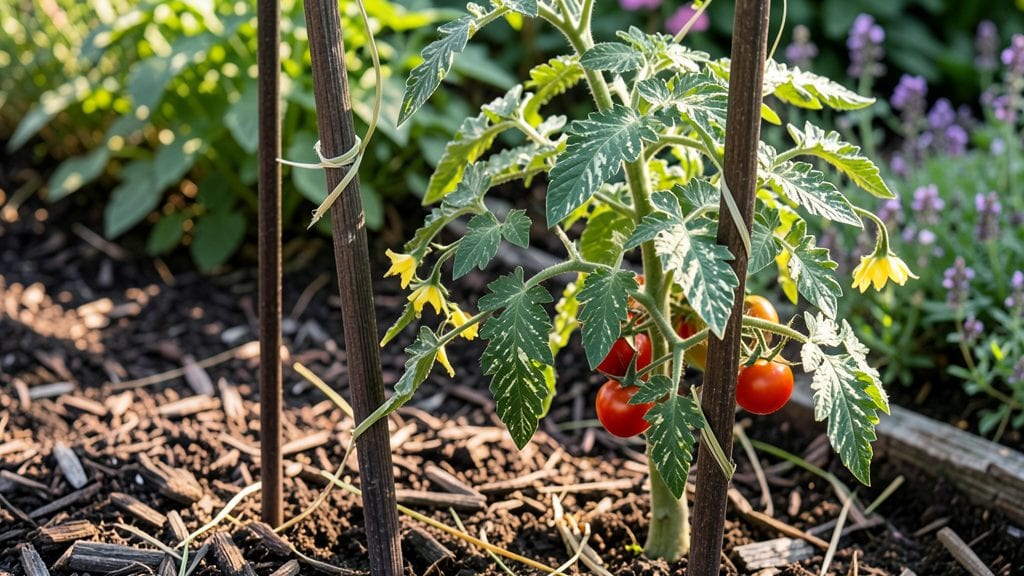
Those mysterious stripey tomato plants aren't just a quirky look—they're often a cry for help from your vines. 🌱 I've seen this pattern signal everything from viral infections to simple pruning oversights, and learning to read the stripes saved my harvest last summer.
The stripes themselves can mean different things: yellow-green streaks often point to tomato mosaic virus, while uneven white or brown streaks might signal pest damage or nutrient stress. The good news? Early pruning can sometimes redirect the plant's energy away from stress responses, giving you a bushier (and stripe-free) harvest.
You'll learn to spot the difference between harmless environmental stripes and true trouble signs, plus how to prune strategically to encourage stronger growth. The right cuts can transform a struggling plant into one that produces 30% more tomatoes by focusing energy where it counts.
Works for both garden beds and containers, and the techniques apply to heirloom and hybrid varieties alike. Let's get those plants back on track before the stripes spread further.
📚 In This Guide
- What you need
- Instructions
- Tips and common mistakes
- Wrapping up and next steps
What you need
- ● Stripey tomato plants (1–3 plants, depending on space—look for varieties like 'Striped Roman' or 'Black Krim' for that gorgeous striped look!)
- ● Pruning shears (sharp, clean, and sterilized—blade should be at least 5 inches long for precision cuts)
- ● Gloves (nitrile or leather to protect from thorns and dirt)
- ● Disinfectant (70% isopropyl alcohol or a 10% bleach solution to sterilize tools between cuts)
- ● Small container (for soaking pruning tools in disinfectant)
- ● Garden twine or soft ties (if staking—opt for biodegradable or cloth-based twine)
- ● Balanced fertilizer (10-10-10 or organic options like compost tea or worm castings)
- ● Pruning sealant (like tree wound paint—to prevent disease entry on larger cuts)
- ● Plant support stakes or cages (if your stripey tomatoes need extra structure)
- ● Garden journal (to track pruning dates and plant responses)
- ● Mulch (straw or shredded leaves to retain moisture and suppress weeds)
- ● Compost or aged manure (to boost soil health post-pruning)
Pruning secrets for bushier stripey tomato plants
Here's how to transform leggy, sparse tomato plants into thick, productive bushes—without sacrificing flavor or yield.
✂️ Step 1: Identify and Remove Suckers Early
Suckers are the small shoots that form in the V-shaped junctions between the main stem and branches. These compete with your fruit for energy, so I remove them within 24 hours of spotting. Use clean, sharp pruners to pinch them off at the base—never tear them, or you risk damaging the plant's vascular system.
Start checking for suckers when your plants reach 12-18 inches tall. The first few might be tiny, so run your fingers along the stem to feel for the slight bump where a sucker is forming. This is the moment that matters: early removal encourages the plant to redirect energy into thicker stems and more lateral branches.
🌿 Step 2: Prune for Airflow and Light Penetration
Once your plant hits 3-4 feet tall, focus on thinning dense foliage to improve airflow. Remove any leaves that shade the lower 12 inches of the plant, as these rarely get enough sunlight to ripen fruit. I also trim any yellowing or diseased leaves immediately—they’re entry points for blight and rot.
Here's the thing—striping in tomatoes (like 'Indigo Rose' or 'Black Krim') often fades if the plant gets too crowded. By pruning aggressively, you ensure the remaining leaves photosynthesize efficiently, keeping those vibrant stripes bold. Aim to leave 3-4 main stems and space branches 6-8 inches apart.
☀️ Step 3: Train the Main Stem for Structural Strength
When your plant reaches your trellis or cage height (5-6 feet), pinch off the very top of the main stem. This signals the plant to stop growing vertically and focus on lateral branches instead. I tie the main stem to the support with soft twine, making sure it’s secure but not constricting.
Watch for new growth sprouting from the leaf axils just below where you pinched. These are your future fruit-bearing branches. If any grow too close together, remove the weaker one—you want 4-6 strong laterals per plant, not a crowded mess. Real talk: this step is where most gardeners over-prune, so don’t go overboard.
💧 Step 4: Adjust Watering After Heavy Pruning
After a major pruning session, reduce watering for 3-4 days to let the wounds heal. Tomatoes are sensitive to stress, and overwatering right after cutting can lead to blossom-end rot. Water deeply once every 5-7 days instead, focusing on the soil 2-3 inches from the stem.
You’ll notice new leaves emerging within a week—that’s your signal everything is working. The plant will start redirecting energy into regrowth, and those stripped stems will thicken noticeably. This is also when I add a balanced fertilizer (10-10-10) to support the extra demand for new growth.
⏰ Step 5: Harvest and Prune for Continuous Production
Once fruit sets, prune any suckers that form below the first flower cluster—they’ll steal energy from ripening tomatoes. I also remove any leaves directly above clusters, as this improves airflow and reduces disease risk. Harvest every 2-3 days to encourage more blooms.
By late summer, your plant should look like a bushy, striped masterpiece with fruit at every branch. If you see any branches with more than 3-4 tomatoes, thin them to 1-2 largest fruit—this ensures bigger, juicier results. Don’t skip this (I learned the hard way with a bushel of tiny, underripe tomatoes).
Tips & tricks for perfect stripey tomato pruning
A few strategic moves can transform your leggy tomato plants into sturdy, high-yielding striped beauties. Here's what I've learned after years of trial and error in the garden.
Timing is Everything: That 24-hour window for removing suckers is non-negotiable. I've seen plants go from sparse to bushy when I stick to this rule—any longer and the sucker steals energy from your main plant. For the first few weeks, check your plants daily. Those tiny bumps in the V-junctions? That's where suckers start. Pinch them off before they grow more than an inch, or you'll be fighting for fruit production later. The key is consistency—don't let them get away from you.
Pruning Technique Matters: When you're thinning foliage in Step 2, don't just yank leaves—use clean pruners to make precise cuts. I learned this the hard way when I tore leaves, leaving ragged edges that attracted pests. Always cut at a 45-degree angle just above a leaf node to encourage new growth. And here's a pro move: leave the lower leaves on your striped varieties like 'Indigo Rose'—they help protect the fruit from sun scald while still allowing light penetration. The goal is balance, not bare stems.
Support System Strategy: Your trellis or cage height matters—aim for 5-6 feet to give your plant room to grow. I use soft twine (not wire) because it's gentle on stems and allows for natural expansion. When you tie the main stem, leave a little slack—about an inch of give. This prevents constriction as the plant grows thicker. And if you're growing multiple plants, space them 2-3 feet apart. Crowding leads to competition for resources, which dulls those beautiful stripes we're all after.
Post-Pruning Recovery: That 3-4 day watering break after heavy pruning is crucial for wound healing. I've seen plants develop blossom-end rot when I ignored this step. Instead of watering at the base, focus on soaking the soil 2-3 inches from the stem—this encourages deeper root growth. You'll know you're doing it right when you see new leaves emerging within a week. This is when the plant redirects its energy from vertical growth to bushier development, which is exactly what we want for those striped varieties.
Pro Tips for Stripey Tomato Plants
- A few strategic moves can transform your leggy tomato plants into sturdy, high-yielding striped beauties.
- Timing is Everything: That 24-hour window for removing suckers is non-negotiable.
- Pruning Technique Matters: When you're thinning foliage in Step 2, don't just yank leaves—use clean pruners to make precise cuts.
Frequently asked questions
Got questions about growing stripey tomato plants? You’re not alone! Here are answers to the most common concerns—from pruning to pests and beyond.
What exactly are stripey tomato plants, and how are they different from regular tomatoes?
Stripey refers to the vertical stripes on the stems of certain heirloom tomato varieties (like Striped Roman or Green Zebra). These aren’t a disease—they’re a natural genetic trait! While the stripes don’t affect flavor or growth, they make plants visually striking. Pruning techniques (like those for bushier harvests) work the same way as for non-striped varieties.
When is the best time to start pruning stripey tomato plants for bushier growth?
Begin pruning once your plants reach 12–18 inches tall and have 4–5 sets of true leaves. For indeterminate varieties (common with stripey types), prune suckers (the small shoots between the main stem and branches) weekly during the growing season. Avoid over-pruning—stripy tomatoes thrive with a balance of airflow and foliage.
Are stripey tomato plants more prone to pests or diseases?
Not inherently! However, their decorative foliage can sometimes attract more attention from pests like hornworms or aphids. To prevent issues:
- Ensure good airflow (prune wisely to avoid dense canopies).
- Use neem oil or insecticidal soap if pests appear.
- Rotate crops yearly to prevent soil-borne diseases.
Can I grow stripey tomatoes in containers, or do they need a garden bed?
Stripey varieties (especially bush types like Striped Aunt Gina’s) thrive in 5-gallon+ containers with well-draining soil. For indeterminate types, choose large pots (10+ gallons) and use a cage or trellis for support. Just ensure containers get 6+ hours of sunlight and regular watering.
Will pruning stripey tomatoes affect their fruit production or flavor?
Pruning boosts fruit production by redirecting energy to larger, healthier tomatoes—not reducing yield! As for flavor, proper pruning improves air circulation, which can enhance sweetness by preventing disease and sun scald. Just avoid aggressive pruning late in the season, as plants need foliage to ripen existing fruit.
What’s a good alternative if I don’t want to deal with stripey tomato pruning?
If pruning feels overwhelming, try bush tomato varieties (like Patio or Roma)—they require little to no pruning and still produce abundant fruit. For stripey lovers, determinate varieties (e.g., Striped Roman) grow in compact shapes, needing minimal upkeep. Just plant them in well-draining soil and keep them consistently watered!
Wrapping up and next steps
Growing stripey tomato plants with lush, bushy harvests is totally within reach—just remember: pruning is your secret weapon! 🌱 With the right tools, timing, and techniques, you’ll transform those leggy stems into a productive, vibrant plant.
Start small, stay consistent, and soon you’ll be enjoying plump, flavorful tomatoes straight from your garden.
Ready to take the next step? Experiment with different pruning styles or pair your stripey tomatoes with companion plants like basil or marigolds for even better results. Happy gardening—your future harvests will thank you! 🍅✨