
Companion Plants
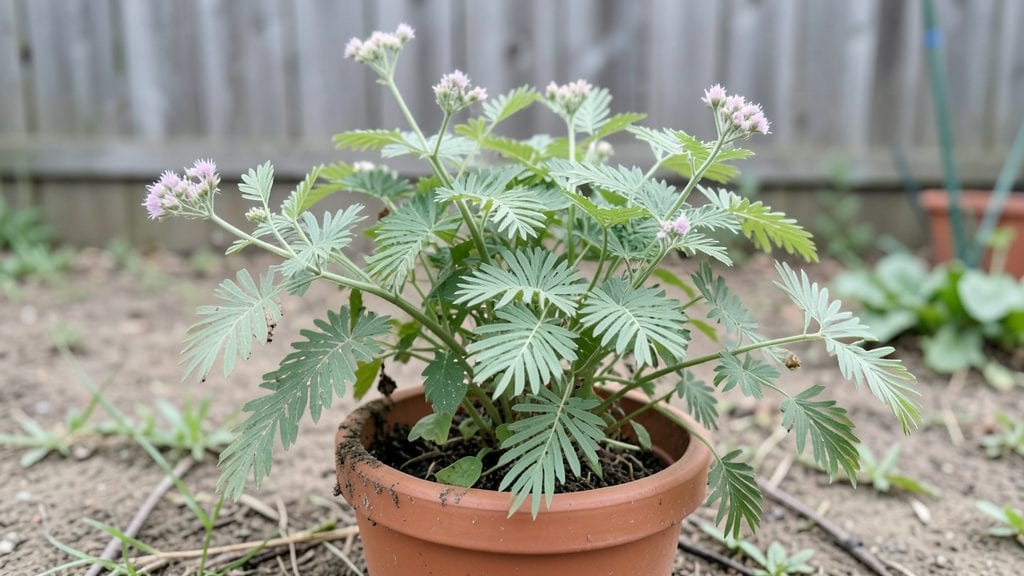
Growing a sensitive plant nearby can feel like a gamble—until you learn how to balance its quirks with your garden’s needs. ✨ I’ve watched Mimosa pudica fold its leaves at the slightest breeze while still thriving alongside the right neighbors, and the secret isn’t avoiding it—it’s choosing companions that play well together.
The key is managing its fast growth and touchy nature without smothering other plants or inviting pests.
Start by placing it where it gets bright, indirect light—think dappled shade under taller perennials like coneflowers or ornamental grasses. These plants tolerate its occasional leaf-folding drama while keeping the sensitive plant from sprawling into chaos.
A small pot or container also helps contain its invasive tendencies, making it easier to move if it outgrows a spot.
You’ll notice fewer leaf-folding episodes when the plant isn’t crowded, and its delicate white flowers will bloom more reliably. The right companions even deter pests that might target its tender foliage, like aphids or spider mites.
With a little strategy, this "weird" plant becomes a low-maintenance star that doesn’t hog the spotlight.
Works for both sunny patios and shaded garden corners—just avoid placing it near high-traffic areas where kids or pets might trigger its famous "shy" response. Here’s how to make the most of its unique presence without the headaches.
📚 In This Guide
- What you need
- Instructions
- Tips and common mistakes
- Wrapping up and next steps
What you need
- ● Sensitive plant (Mimosa pudica) – 1 healthy plant (check for vibrant green leaves and no signs of pests).
- ● Companion plants – Choose from: Marigolds (3-5 plants) – Repel pests naturally!
- ● Basil (2-3 plants) – Enhances growth and deters insects.
- ● Sunflowers (1-2 plants) – Provides shade and attracts pollinators.
- ● Well-draining potting mix – 5-10 gallons (depending on container size). Look for a blend with perlite or coconut coir.
- ● Containers or garden bed space – Containers: 12-18" diameter pots (2-3 for grouping).
- ● Garden bed: 3’x3’ minimum space (ensure partial shade).
- ● Organic fertilizer – Balanced 10-10-10 or compost tea (1 cup per plant monthly).
- ● Mulch – 1-2 inches of shredded bark or straw to retain moisture.
- ● Gloves – 1 pair (to protect from thorns or soil).
- ● Trowel or small shovel – For planting and soil adjustments.
- ● Watering can or hose with gentle spray – Sensitive plants dislike soggy roots!
- ○ Pruning shears – Optional, for trimming companion plants as needed.
- ○ Sunlight monitor – Optional (e.g., light meter or app) to track partial shade (4-6 hours/day).
- ● Pest control spray – Neem oil or insecticidal soap (for emergencies).
- ● 🌡️ Temperature: Ensure your area stays between 65–75°F (18–24°C). Sensitive plants are tropical!
- ● ✨ Soil pH: Aim for slightly acidic to neutral (6.0–7.0). Test kits are affordable and easy to use.
- ● 🎯 Spacing: Keep companion plants 6–12 inches away from the sensitive plant to avoid root competition.
How to plant sensitive plants near other species without competition
Here's how to create a balanced space where sensitive plants like Mimosa pudica thrive alongside neighbors without stealing resources.
🌱 Step 1: Choose the Right Location with Indirect Light
Sensitive plants need bright, indirect light—think 4-6 hours of morning sun with afternoon shade. A spot near a north-facing window or under a sheer curtain works best. I always test the light first by placing the plant there for a few hours before committing. If leaves start curling or turning yellow, move it to a shadier area immediately.
This plant won't compete well in harsh afternoon sun, so avoid south or west exposures. Instead, pair it with shade-tolerant neighbors like ferns or calatheas. The key is to mimic its natural understory habitat—dappled light, not direct beams.
🪴 Step 2: Prepare Containers or Garden Beds with Well-Draining Soil
Use a lightweight potting mix blended with 20% perlite or orchid bark to prevent soggy roots. Sensitive plants hate wet feet—water should drain within 15-30 minutes of watering. If planting in-ground, amend the soil with 1-2 inches of compost mixed into the top 6 inches of soil.
I always add a 1-inch layer of coarse sand at the bottom of containers to improve drainage further. This plant's roots are delicate, so compacted or clay-heavy soil will stress it out immediately. Test your soil by squeezing a handful—it should crumble easily, not stick together.
☀️ Step 3: Space Plants Strategically to Avoid Resource Competition
Give sensitive plants 12-18 inches of space between them and their neighbors. This prevents root systems from intertwining and competing for nutrients. If growing in containers, use pots at least 6 inches deep with 8-inch diameters to accommodate their sprawling habit.
Pair it with low-growing, non-invasive plants like creeping jenny or small ferns. Avoid aggressive spreaders like mint or bamboo—they'll smother your sensitive plant within weeks. Watch for leaves touching neighbors; even light contact can trigger its defensive folding response.
💧 Step 4: Water Consistently Without Overwhelming the Soil
Keep the soil evenly moist but never soggy. Water when the top inch feels dry—stick your finger in to check. I use a spray bottle for delicate leaves to avoid damaging them. Overwatering is the #1 killer, so always ensure pots have drainage holes and never let them sit in saucers of water.
This plant signals thirst by drooping its leaves—give it a drink when you see this. But don't drown it either; roots rot quickly in waterlogged conditions. I've found that misting the air around it on hot days helps maintain humidity without saturating the soil.
✂️ Step 5: Monitor and Adjust as Plants Grow Together
Check weekly for signs of competition—yellowing leaves, stunted growth, or leaves curling toward the ground. These are red flags that your sensitive plant isn't getting enough resources. If neighbors outgrow it, trim them back gently to give your plant more breathing room.
Fertilize lightly every 4-6 weeks with a balanced 10-10-10 formula diluted to half-strength. Too much fertilizer stresses sensitive plants. I always hold off fertilizing during the first 8 weeks of growth to let the roots establish properly.
Tips & tricks for perfect plant pairings
Creating harmony between sensitive plants and their neighbors takes a few key insights that make all the difference.
Light Testing: Before committing to a location, place your sensitive plant in potential spots for 2-3 hours during the 4-6 hours of morning sun mentioned in Step 1. Watch for leaf curling or yellowing—these are immediate red flags. I've found that east-facing windowsill tests work perfectly for Mimosa pudica, as they provide that ideal dappled light without harsh afternoon rays.
Soil Mix Strategy: When blending your lightweight potting mix with 20% perlite or orchid bark in Step 2, I recommend using a ratio of 70% potting mix to 20% perlite and 10% compost. This balance prevents compaction while still providing nutrients. For in-ground planting, mix the 1-2 inches of compost into the top 6 inches of soil and add a ½-inch layer of coarse sand at the bottom to create a natural drainage barrier.
Neighbor Selection: In Step 3, when choosing companions, prioritize plants with similar water needs. Ferns and calatheas make excellent neighbors because they thrive in the same evenly moist but never soggy conditions. I've had great success pairing Mimosa pudica with small ferns, as they grow at similar rates without competing aggressively. Avoid anything with invasive roots or rapid growth patterns—your sensitive plant will thank you!
Watering Technique: For Step 4's watering routine, I've developed a simple test: stick your finger 1 inch deep into the soil. If it feels dry at that depth, it's time to water. For container plants, I water until liquid runs freely from the drainage holes—this ensures complete saturation without leaving soggy pockets. In hot weather, I've found misting the leaves with a spray bottle in the morning helps maintain humidity without overwatering the soil.
Pro Tips for Sensitive Plant Nearby
- Creating harmony between sensitive plants and their neighbors takes a few key insights that make all the difference.
- Light Testing: Before committing to a location, place your sensitive plant in potential spots for 2-3 hours during the 4-6 hours of morning sun mentioned in Step 1.
- Soil Mix Strategy: When blending your lightweight potting mix with 20% perlite or orchid bark in Step 2, I recommend using a ratio of 70% potting mix to 20% perlite and 10% compost.
Frequently asked questions
Got questions about growing sensitive plants (like Mimosa pudica) near other species? Here are some common concerns—and straightforward answers—to help you create a harmonious garden setup!
Can sensitive plants grow well in containers near other plants?
Yes! Sensitive plants thrive in containers, making them perfect for companion planting. Just ensure the pot has good drainage and enough space for roots. Place them near low-competition plants like ferns or hostas, which won’t steal their sunlight or nutrients.
How long does it take for sensitive plants to react to touch?
The reaction is almost instant—usually within 1-5 seconds! The leaves fold up and droop when touched, but they’ll slowly unfold over 10-30 minutes. This is completely normal and harmless. Over time, they may become slightly less reactive as they mature.
What are the best companion plants for sensitive plants?
Pair them with shade-tolerant, non-invasive plants like:
- Caladiums (for moisture-loving conditions)
- Peperomia (low-maintenance and compact)
- Bromeliads (adds tropical vibes without competition)
Why is my sensitive plant wilting even when it’s not touched?
Wilting can signal overwatering, underwatering, or root stress. Check the soil—it should stay moist but not soggy. If repotting, use a well-draining mix (like 50% peat, 30% perlite, 20% coco coir). Too much sun or cold drafts can also stress them out.
Can sensitive plants survive in cold climates?
They’re tender perennials, so they’ll die back in frost (below 50°F/10°C). In colder areas, grow them as annuals or bring pots indoors before winter. A greenhouse or sunny windowsill works well! Mulch the soil lightly in fall to protect roots if leaving outdoors.
Wrapping up and next steps
Growing a sensitive plant nearby can be a rewarding experience when you pair it with the right companions! By choosing plants that share similar light, water, and soil needs—like ferns, impatiens, or even certain herbs—you create a thriving ecosystem that minimizes competition while maximizing beauty.
Remember, the key is balance: observe, adjust, and enjoy the harmony your garden deserves.
Ready to take the next step? Start small—try planting a few companion pairs in pots or a dedicated garden bed, and watch your green space flourish! 🌱 Whether you’re a beginner or a seasoned gardener, every little effort makes a difference. Happy planting!