
Diseases
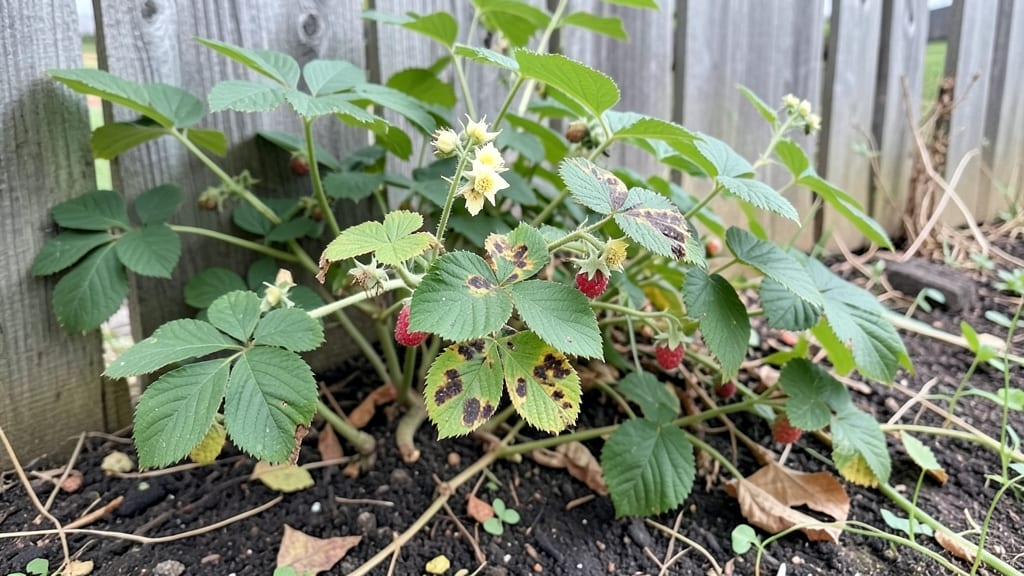
Raspberry plants can go from lush and productive to crispy and sad in weeks if fungal diseases like cane blight or rust take hold. 🌱 I’ve watched my own canes turn black and wilt overnight—until I learned the fast, organic fixes that save the harvest.
The key is catching problems early, when a quick spray or pruning can still turn things around.
Most raspberry diseases start with damp conditions or crowded canes, giving fungi the perfect chance to spread. My biggest mistake? Ignoring the early signs—yellowing leaves or strange spots—until it was too late.
Now I check plants weekly after rain, and I’ve cut my losses from half the canes to just a few stems each season.
With the right tools—neem oil, copper spray, or simply thinning canes for airflow—you can stop fungal spread in its tracks. I’ll show you how to identify each disease by its symptoms, then treat it before it ruins your berries.
The best part? These fixes work fast, so you won’t lose a whole season.
Whether you’re dealing with powdery mildew on leaves or bacterial canker at the base, these methods keep your plants thriving. Let’s get your raspberries back to their best before the next harvest rolls around.
Root Causes Behind Raspberry Ailments
Raspberry plants, like any living organism, are vulnerable to diseases—but understanding why these issues arise is the first step to prevention. Fungal infections, bacterial rot, and viral attacks don’t happen in a vacuum. They thrive due to specific environmental triggers, cultural mismanagement, or even the plant’s own biology.
Below, we break down the core reasons raspberry diseases take hold, so you can address them before they spread.
Fungi like Botrytis cinerea (gray mold) and Phytophthora (root rot) are opportunistic pathogens that require specific conditions to flourish. Here’s how they exploit raspberry plants:
- Excessive Moisture: Fungal spores germinate in wet conditions, especially when leaves or fruit stay damp for prolonged periods. Overhead irrigation, poor air circulation, and dense canopies trap moisture, creating the perfect breeding ground. Example: Gray mold thrives when dew lingers on berries overnight.
- High Humidity: Humidity above 75% suppresses the plant’s natural defenses, making it easier for fungi to penetrate tissues. Greenhouses or shaded areas without ventilation are hotspots for Didymella applanata (fruit rot).
- Temperature Swings: Cool nights (50–60°F) followed by warm days (75°F+) stress raspberries, weakening their cuticles. This physical damage lets pathogens like Diplocarpon earlianum (vegetative canker) invade through stomata or wounds.
💡 Pro Tip: Space plants 3–4 feet apart to improve airflow, and water early in the day so foliage dries before evening.
Unbalanced soil isn’t just about nutrients—it’s about microbiome health. When soil pH, drainage, or organic matter are off, raspberries become systemically weakened, making them susceptible to diseases like Verticillium wilt or Armillaria root rot. Here’s how:
| Soil Issue | How It Affects Raspberries | Diseases It Encourages |
|---|---|---|
| Compacted or Clay Soil | Poor drainage leads to waterlogged roots, suffocating beneficial microbes and promoting anaerobic bacteria. | Phytophthora, Pythium (damping-off) |
| High pH (>6.5) | Locks out iron, manganese, and phosphorus, stunting growth and reducing disease resistance. | Verticillium wilt, Powdery mildew |
| Low Organic Matter | Reduces soil buffering capacity, making plants more sensitive to pH swings and pathogen pressure. | Root rots, Fusarium (vascular wilt) |
🔥 Fix It: Test soil pH (aim for 5.5–6.5), amend with compost, and avoid tilling when wet to prevent compaction.
Diseases don’t appear out of thin air—they’re introduced through human activity, wildlife, or infected plant material. Common vectors include:
- Infected Plant Debris: Leaving behind old canes, leaves, or fruit overwinters fungal spores (e.g., Botrytis) or bacterial cells. Example: Pruning infected canes without sterilizing tools spreads Bacterium rubi (bacterial canker).
- Contaminated Tools or Hands: Pruners, gloves, or even boots can transfer Phytophthora from one plant to another. Solution: Sanitize tools with 70% rubbing alcohol or a 10% bleach solution between uses.
- Wildlife and Insects: Birds, rodents, and even raspberry beetles can carry spores or bacteria. Example: Slugs introduce Phytophthora to young shoots.
- Wind or Water Spread: Splashing water from irrigation or rain can aerosolize spores, dispersing them across the garden. Fix: Use drip irrigation to minimize foliar wetness.
🎯 Prevention: Practice crop rotation (avoid planting raspberries in the same spot for 3+ years) and remove all plant waste from the bed.
Raspberries under stress—whether from nutrient deficiency, herbicide drift, or physical damage—have compromised immune responses. Stressed plants are 3x more likely to succumb to diseases like Powdery mildew or Anthracnose. Key stressors:
- Nutrient Deficiencies: Low potassium (K) or calcium (Ca) weakens cell walls, making them easier targets for fungal penetration. Sign: Yellowing leaves (K deficiency) or blossom end rot (Ca deficiency).
- Herbicide or Chemical Burn: Drift from glyphosate or synthetic fungicides damages foliage, creating entry points for pathogens. Always use raspberry-safe products.
- Physical Damage: Hail, raspberry sawfly larvae, or rough handling tear open tissues, inviting Botrytis or bacterial infections. Example: Wind damage on canes increases canker risk.
🌡️ Recovery Tip: Apply compost tea or a balanced fertilizer (10-10-10) to boost resilience, and prune damaged canes immediately to prevent further invasion.
By tackling these root causes, you’re not just treating symptoms—you’re starving the problem at its source. Next, we’ll cover early warning signs so you can act before diseases take hold.
Fix Raspberry Plant Problems Fast
Now that you’ve identified the issue plaguing your raspberry plants, it’s time to act! 🚀 The good news? Most raspberry diseases are treatable with the right approach—and many can be prevented entirely with simple, proactive care.
Below, we’ve mapped out practical solutions for each common problem, along with prevention tips to keep your berries thriving.
🔥 Remove Infected Plant Parts Immediately Fungi spread like wildfire—literally.
The first step is quarantine and prune: - Cut out any leaves, canes, or fruit showing signs of powdery mildew, rust, or botrytis (gray mold) at least 6 inches below the affected area using sterilized pruners (wipe with rubbing alcohol between cuts). - Dispose of infected debris in the trash (not compost)—fungi can survive in soil and reinfect. - Burn or seal severely infected canes if possible to prevent spores from spreading.
🍳 Apply Fungicidal Sprays (Organic or Chemical)
Once you’ve removed the worst, treat the plant and surrounding soil to stop the spread: - Baking soda spray (for powdery mildew): Mix 1 tbsp baking soda + 1 tsp dish soap + 1 gallon water in a spray bottle.
Apply every 7–10 days in the morning (avoid evenings to prevent fungal growth). - Neem oil (broad-spectrum antifungal): Combine 1 tbsp neem oil + 1 tsp mild soap + 1 quart water.
Spray every 1–2 weeks (especially after rain). ✨ Pro tip: Add a few drops of horticultural oil for extra protection. - Copper fungicide (for rust, botrytis, or severe infections): Follow label instructions—copper is effective but can harm plants if overused. Best for late-season treatments when berries are nearly ripe.
🌡️ Improve Airflow & Reduce Humidity
Fungi love damp, crowded conditions. Adjust your garden setup to make it less inviting:
- Space plants 2–3 feet apart (if growing in rows) to allow air to circulate.
- Prune canes to open up the center of the plant—remove weak, crossing, or overcrowded branches.
- Water at the base (not overhead) and avoid evening watering to let foliage dry quickly.
- Mulch with straw (not thick layers of wood chips) to keep soil moist but prevent damp leaves.
👨🍳 Blast Off Pests with Water & Soap
For aphids (tiny green/black bugs) or spider mites (tiny red/yellow specks):
- Spray with water first—use a strong stream to knock off aphids from undersides of leaves.
- Insecticidal soap: Mix 2 tbsp castile soap + 1 quart water and spray directly on pests (avoid hot sun to prevent leaf burn). 💡 Pro tip: Repeat every 3–5 days until pests disappear—soaps work by contact, not residual effect.
🔪 Introduce Beneficial Predators
Nature’s pest control is the easiest long-term fix:
- Ladybugs (eat aphids) or lacewings (devour mites)—buy them online or attract them with dill or fennel plants.
- Predatory mites (like Phytoseiulus persimilis) can be ordered for severe mite infestations.
🎯 Prevent Future Infestations
- Yellow sticky traps placed near plants catch flying pests before they multiply.
- Encourage biodiversity—plant marigolds, basil, or garlic nearby to repel pests naturally.
- Avoid broad-spectrum pesticides, which kill beneficial insects too.
🔪 Destroy Infected Canes Completely
Unlike fungi, bacterial and viral diseases have no cure.
If you spot: - Black canes (bacterial cane blight) or yellow mottled leaves (raspberry mosaic virus): Dig up and burn the entire infected plant (including roots) to prevent spread. ⚠️ Warning: Do not compost—spores or viruses can survive.
🌱 Start Fresh with Disease-Free Plants
- Replace infected plants with certified disease-free raspberry varieties (e.g., ‘Heritage’, ‘Boyne’, or ‘Nova’).
- Buy from reputable nurseries—avoid bargain plants that may carry hidden viruses.
🛡️ Sanitize Tools & Soil
- Sterilize pruners between cuts with rubbing alcohol or bleach water (1 part bleach to 10 parts water).
- Rotate crops—don’t plant raspberries in the same spot for 3–4 years to break disease cycles.
| Problem | Prevention Hack | When to Do It |
|---|---|---|
| Fungal spread | Copper spray (preventative) | Before rainy season or spring |
| Pests | Neem oil spray (every 2 weeks) | Early morning, weekly |
| Weak canes | Balanced fertilizer (10-10-10) | Early spring & after harvest |
| Poor airflow | Prune in late winter | Before buds swell (Feb/Mar) |
| Soil-borne diseases | Solarize soil (cover with plastic 4–6 wks) | Late summer (for fall planting) |
- Early spring (March–April): Prune, fertilize, and apply preventative sprays (neem or copper).
- During growing season (May–July): Monitor weekly for pests/fungi; treat at first sign.
- Fall (September–October): Clean up debris, sterilize tools, and mulch heavily for winter protection.
- Winter (Nov–Feb): Burn or remove all plant waste; plan crop rotation for next year.
Final Thought: 🌱 Most raspberry diseases are manageable—the key is speed and consistency. Catch issues early, act decisively, and your plants will bounce back stronger.
And remember: Healthy soil = healthy plants, so invest in compost, mulch, and proper drainage to build resilience from the ground up!
Frequently asked questions
What are the first signs of raspberry plant diseases?
Watch for yellowing leaves, white powdery patches (powdery mildew), or black spots on canes (rust). Early symptoms also include wilting, stunted growth, or mushy berries—these often mean fungal or bacterial infections are already spreading.
Can I save a raspberry plant with bacterial cane blight?
Unfortunately, no. Bacterial cane blight (Leptosphaeria coniothyrium) has no cure—infected canes must be digged up and burned. Replace the plant with disease-resistant varieties like 'Heritage' or 'Nova' and sterilize tools to prevent spread.
How often should I spray neem oil on raspberries?
Apply neem oil spray every 1–2 weeks during the growing season (spring to summer) as a preventative. For active fungal infections, spray weekly until symptoms disappear, always in the early morning to avoid leaf burn.
Why do my raspberries get powdery mildew every year?
Powdery mildew thrives in humid, shaded conditions with poor airflow. Thin out crowded canes, space plants 3–4 feet apart, and water at the base (not overhead). Add baking soda spray every 7–10 days during humid months.
Is it safe to eat raspberries from diseased plants?
Only if the disease hasn’t affected the fruit directly. Gray mold (Botrytis) or fruit rot can make berries unsafe—discard any with mushy spots, mold, or discoloration. For fungal diseases like powdery mildew, wash berries thoroughly before eating.