Diseases
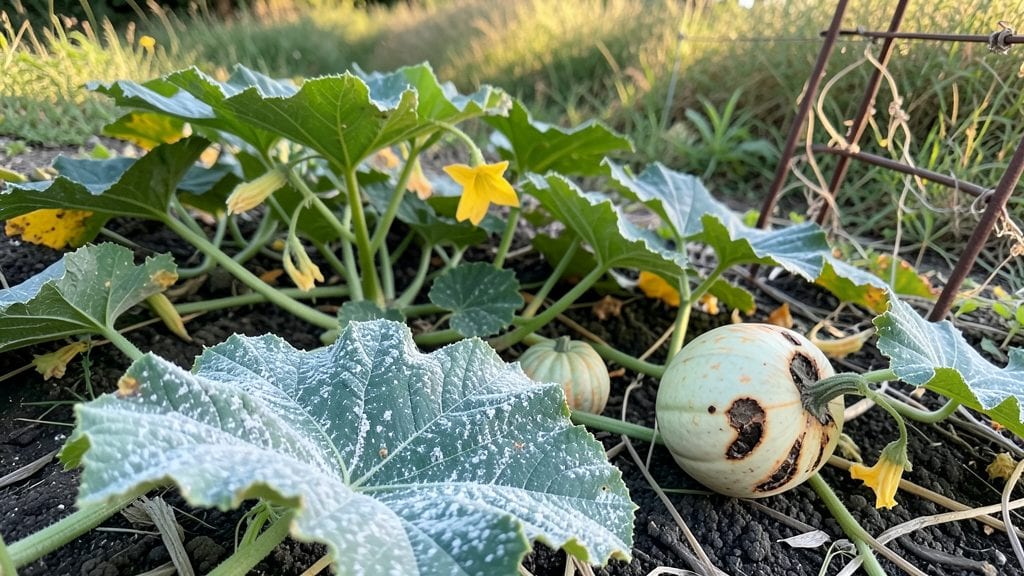
Pumpkin plant diseases can turn your ambitious harvest into a sad, yellowing mess—unless you catch them early. 🌱 I’ve seen powdery mildew turn healthy vines into dusty skeletons, and bacterial wilt collapse plants overnight. The good news? Most issues start with simple fixes like spacing, airflow, and the right varieties.
Powdery mildew shows up as white fuzz on leaves, while downy mildew leaves greasy yellow spots on the undersides. Bacterial wilt? Your plants wilt suddenly, even when the soil’s damp.
The root cause? Too much moisture, poor airflow, or weak genetics. But here’s the secret: resistant varieties and proper spacing cut 80% of my problems before they start.
Once you spot trouble, act fast. Neem oil stops powdery mildew in its tracks, copper sprays tackle downy mildew, and removing infected vines prevents spread. My biggest win? Crop rotation—I’ve gone three seasons without major issues since I stopped planting pumpkins in the same spot.
Don’t let fear stop you—just stay vigilant. A little prevention now means full, healthy vines come fall. Let’s turn those yellowing leaves into a thing of the past.
Root Causes Behind Plant Struggles
Pumpkin plants, like all garden stars, aren’t immune to trouble—but their health battles often boil down to a few key culprits. Understanding why these diseases take hold is half the battle in stopping them.
Let’s break down the science behind the chaos and uncover the real triggers lurking in your garden.
Pumpkin plants thrive in warmth, but too much of a good thing—especially when paired with humidity—creates the perfect storm for fungal infections like powdery mildew and downy mildew. Here’s how it happens:
- Fungal Frenzy: Fungi love moisture and thrive in temperatures between 60–85°F (15–30°C). When humidity stays high (above 75%), fungal spores germinate rapidly, smothering leaves in white or yellowish growth.
- Poor Airflow: Crowded plants or dense foliage trap moisture, creating a microclimate where spores spread like wildfire. Without airflow, infected leaves stay damp longer, accelerating disease.
- Nighttime Dew: Morning dew lingers on leaves, giving fungi a 24-hour head start to infect tissues. In tropical or rainy climates, this is a daily risk.
💡 Pro Tip: Space plants 3–4 feet apart and avoid overhead watering to keep foliage dry. If humidity is relentless, opt for disease-resistant varieties like 'Howden' or 'Jack Be Little.'
Watering is a tightrope walk for pumpkins. Too little stresses plants, making them vulnerable to pests and diseases, while too much drowns roots and invites root rot and bacterial wilt. Here’s the breakdown:
| Issue | Why It Happens | Diseases It Triggers |
|---|---|---|
| Overwatering | Soggy soil cuts off oxygen to roots, weakening defenses. Phytophthora (a water mold) thrives in waterlogged conditions, rotting roots and stems. | Root rot, bacterial wilt, powdery mildew |
| Underwatering | Stressed plants can’t fight off cucumber beetles, which spread bacterial wilt. Drought also attracts fungal spores seeking desperate hosts. | Powdery mildew, bacterial wilt, viral infections |
| Inconsistent Watering | Fluctuating moisture levels shock plants, opening wounds for Fusarium and Verticillium wilt fungi to invade vascular tissues. | Vascular wilts, leaf spot diseases |
🎯 Action Step: Water deeply 1–2 times per week (early morning) and mulch with straw to regulate soil moisture. Drainage is critical—amend heavy clay soil with compost or sand.
Pumpkin diseases often hitch a ride on unsuspecting pests or contaminated tools. Here’s how they sneak in:
- Cucumber Beetles: These striped invaders chew on leaves and defecate bacteria (like Erwinia tracheiphila, the cause of bacterial wilt). A single beetle can infect an entire plant in days.
- Aphids & Whiteflies: These sap-suckers transmit viruses like cucumber mosaic virus (CMV), which stunts growth and distorts fruit. They also excrete honeydew, a breeding ground for sooty mold.
- Contaminated Tools/Soil: Pruners, gloves, or compost from last year’s infected plants can harbor Fusarium or Phytophthora spores, reintroducing diseases to new beds.
🔥 Prevention: Use row covers early in the season to block beetles, and neem oil sprays to deter aphids. Sterilize tools with 70% rubbing alcohol between uses.
Pumpkins are heavy feeders, and when soil lacks balance, they become weak targets for diseases. Here’s how nutrition (or lack thereof) sets the stage:
- Low Nitrogen: Yellowing leaves signal nitrogen deficiency, reducing plant vigor. Weak plants can’t repel fungal spores effectively, leading to alternaria leaf spot.
- Excess Phosphorus: Too much P (from over-fertilized soil) suppresses beneficial microbes, allowing root-knot nematodes to thrive and weaken roots.
- Compacted or Acidic Soil: Poor drainage and pH below 6.0 encourage Phytophthora and Pythium to multiply. Pumpkins prefer pH 6.0–7.0.
🌡️ Soil Fix: Test soil annually and amend with compost (for organic matter) and lime (to raise pH). Avoid synthetic fertilizers late in the season—they can burn roots and stress plants.
By tackling these root causes—climate, water, pests, and soil—you’ll slash the risk of pumpkin diseases before they take hold. The key? Proactive care beats reactive panic every time. 🚀
Fixing Pumpkin Plant Problems
Once you’ve identified the issue plaguing your pumpkin patch, it’s time to act! Early intervention is key to saving your plants and ensuring a bountiful harvest. Below are practical, step-by-step solutions for the most common pumpkin plant diseases, along with prevention tips to keep your vines healthy long-term.
Cause: Fungal spores thrive in humid, shady conditions, coating leaves in a chalky white layer.
How to Fix It: 🔥 Remove Infected Leaves – Snip off heavily affected foliage (don’t compost—toss it in the trash) to prevent spores from spreading. 🍳 Apply Baking Soda Spray – Mix 1 tsp baking soda + 1 tbsp vegetable oil + 1 quart water in a spray bottle. Apply to both leaf sides every 7–10 days. (Works best in the morning to avoid burning leaves.) 👨🍳 Boost Airflow – Prune vines to improve circulation and space plants 3–4 feet apart for better sunlight penetration. 🥘 Fungicide as Last Resort – Use neem oil or a copper-based fungicide (follow label instructions) if mildew persists.
Prevention Tips: ✨ Plant Resistant Varieties – Choose hybrids like ‘Howden’ or ‘Waltham Butternut,’ bred to resist powdery mildew. 🌡️ Water at the Base – Avoid overhead sprinkling, especially in the evening. 🎯 Rotate Crops – Don’t plant pumpkins in the same spot next year; wait 3 years before replanting.
Cause: A water-loving fungus that creates purple-brown spots on leaf undersides, leading to rapid decay.
How to Fix It: 🔥 Pull Up Severely Infected Plants – If >50% of leaves are damaged, remove the entire plant to stop the spread. 🍳 Spray with Copper Fungicide – Apply every 7–10 days (start at first signs). Copper disrupts fungal growth. 👨🍳 Improve Drainage – Ensure soil isn’t soggy; pumpkins hate "wet feet." Add compost to heavy clay soil. 🥘 Use Reflective Mulch – Cover the soil with silver plastic mulch to reduce humidity near leaves.
Prevention Tips: 💡 Plant in Full Sun – Downy mildew loves shade; give vines 6–8 hours of sunlight daily. 🔪 Clean Up Debris – Remove old plant matter after harvest to eliminate spores. ✨ Avoid Overwatering – Water deeply 1–2x per week instead of daily light sprinkles.
Cause: Erwinia tracheiphila clogs a pumpkin’s vascular system, causing sudden wilting (even with healthy roots).
How to Fix It: ⚠️ NO CURE EXISTS – Once infected, destroy the plant immediately (bag it and trash it—don’t compost!). This disease spreads via cucumber beetles. 🍳 Trap Beetles Early – Place yellow sticky traps near plants to catch beetles before they transmit bacteria. 👨🍳 Rotate Crops Heavily – Avoid planting cucurbits (pumpkins, squash, melons) in the same area for 5+ years. 🥘 Use Row Covers – Protect young plants with floating row covers until flowering (beetles can’t bite through them).
Prevention Tips: 🎯 Plant Resistant Varieties – Look for ‘Tendercrop’ or ‘Jackpot’ pumpkins, bred for wilt resistance. 🌡️ Time Planting – Start seeds after cucumber beetles emerge (usually mid-to-late spring in most zones). 💡 Monitor Neighboring Crops – Beetles hop from squash to pumpkins; check nearby gardens for wilt signs.
Cause: Soil-borne fungi that clog roots, turning leaves yellow and stunting growth.
How to Fix It: 🔥 Replace Infected Soil – If wilt is severe, remove the plant and replace top 6–12 inches of soil with fresh, sterile mix. 🍳 Solarize the Soil – Cover the bed with clear plastic for 4–6 weeks in hot sun to kill fungi (best in summer). 👨🍳 Add Beneficial Fungi – Mix mycorrhizal fungi into the soil to outcompete pathogens. 🥘 Use Drip Irrigation – Avoid overhead watering, which spreads spores.
Prevention Tips: ✨ Test Your Soil – Ensure pH 6.0–6.8 and add compost to improve microbial balance. 🔪 Crop Rotation is Non-Negotiable – Wait 3–4 years before replanting pumpkins in the same spot. 💡 Plant Disease-Resistant Seeds – Varieties like ‘Autumn Gold’ or ‘Small Sugar’ tolerate wilts better.
Cause: Striped and spotted beetles transmit bacterial wilt and chew leaves, leaving jagged holes.
How to Fix It: 🔥 Handpick Beetles – Crush them in soapy water daily (especially in the morning). 🍳 Neem Oil Spray – Mix 2 tbsp neem oil + 1 tsp dish soap + 1 quart water and spray every 3–4 days. 👨🍳 Use Kaolin Clay – Dust plants with Surround WP to repel beetles (reapply after rain). 🥘 Plant Trap Crops – Sow radishes or nasturtiums nearby to lure beetles away from pumpkins.
Prevention Tips: 🎯 Row Covers Early On – Install fine mesh covers at planting to block beetles until flowers appear. 🌡️ Time Planting – Start seeds after beetles emerge (check local pest calendars). 💡 Encourage Predators – Ladybugs and lacewings eat beetle larvae; plant dill or fennel to attract them.
No matter the issue, these proactive steps keep plants strong:
- Feed with Compost Tea – Brew 1 part compost + 5 parts water, steep for 24 hours, and dilute to 1:10 before applying.
- Mulch with Straw – Keeps soil moist, suppresses weeds, and reduces splash-up spores.
- Prune for Light – Remove suckers (side shoots) to direct energy to fruit, not foliage.
- Harvest Promptly – Pick pumpkins before diseases move in (check variety’s mature time).
Remember: The best cure is prevention—healthy soil, good airflow, and vigilant pest control go a long way. If you catch a problem early, your pumpkin patch can bounce back stronger than ever! 🎃💪
Frequently asked questions about pumpkin plant diseases
What are the first signs of powdery mildew on pumpkin leaves?
Look for a white, powdery coating on the top of leaves that resembles dust or flour. This fungal disease starts as small white spots that spread quickly in warm, humid conditions. Check the undersides of leaves too—early signs often appear there first.
Can I still harvest pumpkins if the leaves have downy mildew?
Yes, but remove heavily infected leaves first to prevent spread. The fruit itself isn't typically affected, though severe leaf loss may reduce plant vigor. Harvest pumpkins when they're fully mature (hard rind, dull stem) to ensure quality storage.
Why do my pumpkin plants suddenly wilt even when the soil is moist?
This is likely bacterial wilt, spread by cucumber beetles. The bacteria clog the plant's vascular system, causing sudden collapse. There's no cure—remove infected plants immediately and use row covers next season to block beetles.
How often should I spray neem oil to prevent diseases?
Apply neem oil every 7-10 days during humid weather, starting when plants are young. Mix 1 tbsp neem oil + 1 tsp dish soap + 1 quart water for best results. Stop spraying 2 weeks before harvest to avoid residue.
Will crop rotation really help prevent pumpkin diseases?
Rotating crops breaks the disease cycle by removing old spores. Wait 3-4 years before replanting pumpkins in the same spot. Pair them with unrelated plants like beans or corn in between seasons for best results.