Pruning
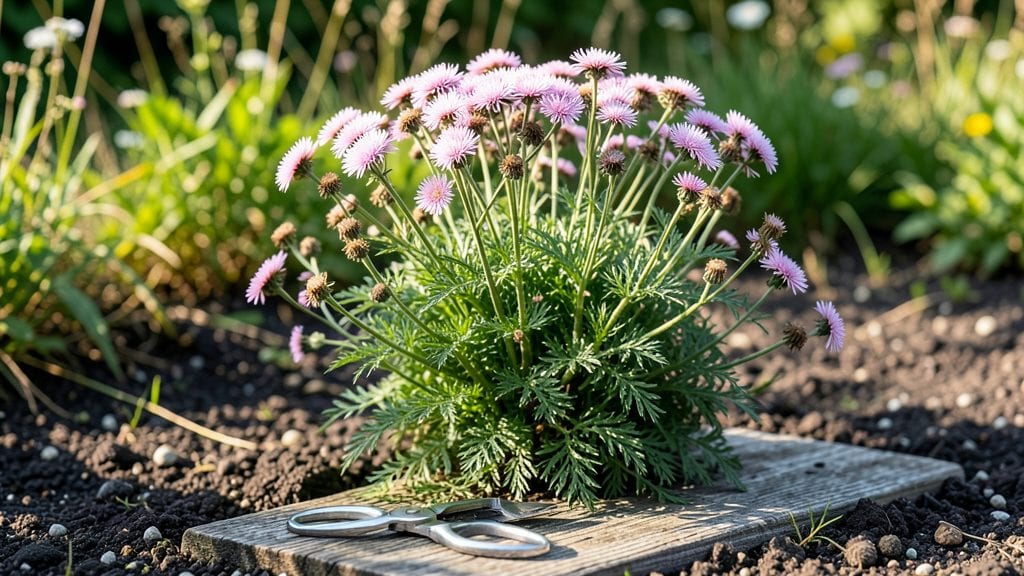
Pruning yarrow plants transforms them from straggly survivors into vibrant, bushy powerhouses—and it only takes three simple cuts. 🌿 I’ve watched my yarrow go from floppy and overgrown to producing dense clumps of feathery foliage and nonstop blooms by late summer, all thanks to strategic pruning.
The key isn’t just cutting back—it’s timing it right to avoid stressing the plant when it’s most vulnerable.
You’ll need clean, sharp pruners (or shears) and a clear day to work—yarrow’s tough, but a dull blade tears stems and invites disease. Start in early spring before new growth emerges, then repeat after flowering to encourage a second round of blooms.
The first cut removes dead or weak stems at the base, while the second trims back leggy growth to half its height to promote bushiness.
By mid-summer, you’ll deadhead spent blooms to redirect energy into fresh flowers instead of seed production. This keeps yarrow looking neat and productive for months. The result? A plant that spreads less aggressively, blooms longer, and stays healthier year after year—no more scraggly patches taking over your garden.
Works for both clump-forming and spreading varieties, and the same principles apply whether you’re pruning in containers or garden beds. Ready to give your yarrow the refresh it deserves?
📚 In This Guide
- What you need
- Instructions
- Tips and common mistakes
- Wrapping up and next steps
What you need
- ○ Pruning shears or secateurs – Sharp, clean, and sterilized (bypass pruners work best for clean cuts). Optional: A small handheld saw for thick stems.
- ● Garden gloves – Durable, preferably with grip (yarrow can be thorny or scratchy!).
- ● Disinfectant (rubbing alcohol or bleach solution) – 70% isopropyl alcohol or 1:9 bleach-water mix to sterilize tools between cuts.
- ● Garden twine or rubber bands – For bundling cuttings if propagating new plants.
- ○ Sharpie or plant marker – Optional but helpful for labeling cuttings if saving seeds.
- ● Bucket or tray – For collecting clippings (compostable or for propagation).
- ● Watering can or hose – With a gentle spray nozzle to hydrate plants post-pruning.
- ● Timing – Prune in early spring (before new growth) or late summer/early fall (after flowering) for best results.
- ● Weather – Choose a dry, overcast day to minimize stress on the plant.
- ● Plant health check – Remove dead, diseased, or crossing branches first to improve airflow.
How to prune yarrow plants for bushier, healthier foliage
Yarrow thrives when you prune it right—here's how to keep it lush and blooming all season.
✂️ Step 1: First Cut After Initial Blooming
Wait until yarrow sends up its first flush of flowers, then snip back the spent blooms with sharp pruners. I cut just above the first set of healthy leaves below the flower head—this encourages new growth from lower on the stem. The goal is to remove only the dead flowers, not the green foliage, so you're not sacrificing the plant's energy reserves.
Use clean, sterilized tools to avoid spreading disease between plants. Yarrow can get powdery mildew if you're not careful, so I wipe my pruners with rubbing alcohol between cuts. Time this first pruning for early summer, right after the initial bloom cycle fades. You'll see fresh new shoots emerging from the base within a few weeks.
✂️ Step 2: Mid-Season Renewal Cut
About 6-8 weeks after the first pruning, give your yarrow a second haircut. This time, trim back all the stems by one-third of their height. I like to make clean cuts at a 45-degree angle—this prevents water from pooling on the stem and causing rot. The plant will look dramatic after this cut, but trust me, it's rebounding.
This mid-season pruning removes old, woody growth and redirects the plant's energy into producing fresh, vibrant foliage. You'll notice new growth appearing from the base within 10-14 days. This is when yarrow really shows its resilience—it's like watching a plant come back from the dead. Water deeply after pruning to help the plant recover.
✂️ Step 3: Late-Season Cleanup Before Winter
As fall approaches, yarrow's growth naturally slows. When the first frost threatens or temperatures consistently drop below 40°F, it's time for the final pruning. Cut back all stems to within 2-3 inches of the ground. This removes any remaining foliage that might harbor pests or disease over winter, keeping your plant healthy for next season.
Leave the cut stems in place—they'll provide some winter protection for the crown. I never remove all the foliage completely, as the remaining plant material acts as insulation. In colder climates, you might want to add a 2-3 inch layer of mulch around the base to protect the roots from freezing temperatures. This final cut gives yarrow a clean slate for spring regrowth.
⏰ Step 4: Spring Maintenance (Optional but Recommended)
In early spring, before new growth appears, take a moment to inspect your yarrow plants. Remove any dead or damaged stems that didn't survive winter. You can also lightly trim back any stems that look overly leggy or crossed. This is more of a tidying-up step than a major pruning, but it helps maintain a neat appearance and encourages better air circulation.
Watch for new shoots emerging from the base—this is your cue that the plant is waking up from dormancy. Once you see 2-3 inches of new growth, you can start fertilizing lightly if needed. Yarrow is quite hardy, so it doesn't require much, but a little extra nutrition can help it bounce back stronger after winter. This is also the perfect time to divide any plants that have become too crowded.
Tips & tricks for pruning yarrow plants
These strategic insights will help you maximize your yarrow's potential—transforming it from a wild, sprawling plant into a lush, vibrant centerpiece.
Timing is Everything: The 6-8 week window between your first and second pruning is critical for yarrow's growth cycle. This timing allows the plant to recover from the first cut while still having enough energy to produce fresh foliage before winter. I've found that pruning in early summer (after initial blooms) and again in late summer gives my yarrow the perfect balance—it's like giving it a mid-season spa treatment.
Cutting Technique Matters: When you make those 45-degree angle cuts during the mid-season renewal, you're not just making a clean cut—you're preventing water from pooling on the stem, which could lead to rot. This angled cut also creates a larger surface area for new growth to emerge. I always use sharp, sterilized pruners to avoid damaging the plant tissue, and I make sure to cut just above a leaf node to encourage new shoots.
Winter Preparation Strategy: That 2-3 inch height you're cutting back to before winter isn't arbitrary—it's the perfect balance between protection and air circulation. The remaining stems provide insulation for the crown, while still allowing light and air to reach the base. In colder climates, the additional 2-3 inch mulch layer acts like a cozy blanket for your yarrow's roots, protecting them from freezing temperatures without suffocating the plant.
Spring Revival Insight: The 2-3 inch new growth you're watching for in spring is your plant's way of telling you it's ready for a little extra care. This is when yarrow is most receptive to fertilization and division. I've noticed that plants divided at this stage establish new roots more quickly and produce more robust growth in the following season.
Pro Tips for Pruning Yarrow Plants
- These strategic insights will help you maximize your yarrow's potential—transforming it from a wild, sprawling plant into a lush, vibrant centerpiece.
- Timing is Everything: The 6-8 week window between your first and second pruning is critical for yarrow's growth cycle.
- Cutting Technique Matters: When you make those 45-degree angle cuts during the mid-season renewal, you're not just making a clean cut—you're preventing water from pooling on the stem, which could lead to rot.
Frequently asked questions
Got questions about pruning yarrow? You’re not alone!
Here are answers to the most common queries—so you can confidently shape your plants for a lush, long-lasting display.
When is the best time to prune yarrow?
Prune yarrow in early spring (before new growth) or late summer/early fall (after flowering). Avoid pruning in winter—it can stress the plant. For a tidy look, light trims can happen anytime, but major cuts should align with the plant’s natural growth cycles.
How much can I cut back yarrow without harming it?
Yarrow is hardy! You can reduce stems by ⅔ in late summer or cut back to 4–6 inches in early spring. Just avoid over-pruning—leave at least some foliage to support photosynthesis. Deadheading spent blooms year-round also encourages bushier growth.
What if my yarrow looks leggy or sparse after pruning?
Leggy growth often means too much shade or over-pruning. Fix it by:
- Moving to full sun (6+ hours/day).
- Fertilizing lightly with balanced 10-10-10 in spring.
- Watering deeply but infrequently (yarrow hates soggy soil!).
Can I prune yarrow for propagation?
Cut 4–6 inch stem sections
in spring/early summer, strip lower leaves, and root in water or moist soil. Yarrow spreads easily—just avoid overcrowding! Divide mature clumps every 2–3 years to rejuvenate growth.
Does pruning yarrow affect its medicinal properties?
Nope! Pruning doesn’t alter yarrow’s Achillea millefolium benefits (like anti-inflammatory compounds). In fact, regular trims can boost potency by encouraging fresh, vibrant foliage. Just ensure you’re harvesting from organic, pesticide-free plants.
Wrapping up and next steps
Pruning yarrow isn’t just about tidying up—it’s a game-changer for healthier, more vibrant plants! By mastering the three strategic cuts (deadheading, shaping, and rejuvenation), you’ll encourage lush foliage, prolonged blooms, and even prevent overcrowding. Whether you’re a seasoned gardener or just starting, these simple steps make maintenance a breeze.
Ready to transform your garden? Grab your shears and give your yarrow a fresh start—your plants (and future blooms!) will thank you. Next up: Share your pruned yarrow pics with #YarrowGrowthHack for inspiration!