
Pruning
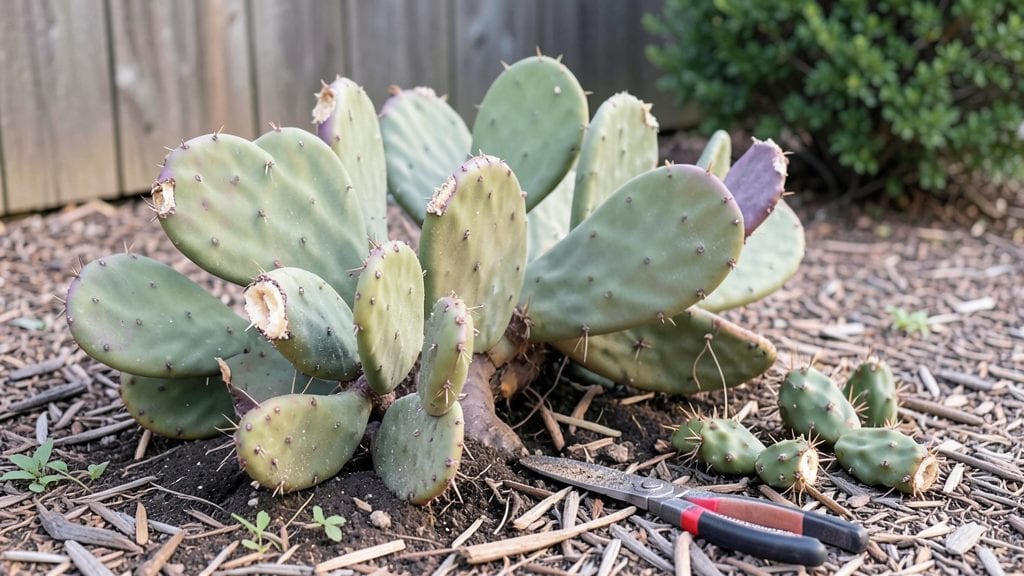
Pruning cactus plants isn't just about trimming—it's the secret to keeping them thriving and blooming for years. I’ve learned the hard way that skipping this step leads to leggy, sparse plants that never produce those stunning flowers.
The right cuts at the right time can transform a scraggly cactus into a bushy, healthy specimen that rewards you with color and growth.
You’ll need just a few simple tools: a clean, sharp knife or pruning shears (cactus-specific if possible), thick gloves for those pesky spines, and rubbing alcohol to sterilize your tools between cuts. Timing matters too—spring is ideal for most cacti, when new growth is just starting.
Avoid pruning in winter or during active flowering, or you might stunt their progress. Safety first: always work in a well-ventilated area and never prune when the plant is wet.
Once you’ve made your cuts, let the segments dry for a few days before repotting or propagating. The dried ends prevent rot, and you’ll have new plants to share or grow.
I’ve turned my pruned cuttings into a whole new collection—some of my favorites now came from old branches I almost tossed. The key is patience: give the plant time to heal, and it’ll reward you with stronger, more vibrant growth.
Whether you’re dealing with columnar, spherical, or flowering varieties, the same principles apply. Beginners often worry about over-pruning, but cacti are forgiving—just avoid cutting more than a third of the plant at once.
For those tricky spine clusters, use tweezers or a brush to clear them from your cuts before letting them callus. Now, let’s get those tools ready and turn your cacti into showstoppers!
📚 In This Guide
- What you need
- Instructions
- Tips and common mistakes
- Wrapping up and next steps
What you need
- ● Pruning shears or cactus scissors: Sharp, sterilized tools designed for succulents or cacti (e.g., Felco F-2 or Corona cactus pruners). Avoid regular scissors—they can crush delicate stems!
- ● Rubbing alcohol (70% or higher): For sterilizing tools before and after pruning to prevent disease.
- ○ Gloves (thick, cut-resistant):strong> Optional but highly recommended—cactus spines can be sneaky! Leather or heavy-duty gardening gloves work best.
- ● Newspaper or cardboard: Lay this down under your workspace to catch spines and debris.
- ● Small container or bag: For collecting cuttings (e.g., a paper bag or plastic container with drainage holes).
- ○ Rooting hormone (optional): A gel or powder to boost root growth if propagating cuttings.
- ● Well-draining soil mix: For repotting cuttings (e.g., a blend of cactus/succulent soil with perlite or pumice).
- ● Timing: Prune during the active growing season (spring or early summer) for best results.
- ● Clean workspace: Choose a well-ventilated area with natural light to avoid stressing the plant.
- ● Patience: Let cuttings dry for 1–3 days before repotting to prevent rot.
Step-by-step instructions for pruning cactus plants
Here’s how to prune your cacti with precision—keeping them healthy and encouraging strong new growth.
Gather the Right Tools for Clean Cuts
Use only sterilized pruning shears or a sharp knife designed for cacti. Regular scissors or dull tools will crush the tissue and invite rot. I always wipe my tools with rubbing alcohol before and after pruning to prevent cross-contamination between plants. Never use your hands—those spines don’t joke around.
Work on a clean, flat surface like a cutting board or newspaper to catch any fallen spines. Wear thick gloves rated for cactus handling, and have a magnifying glass handy to spot tiny spines you might miss. This isn’t just about safety—it’s about making cuts so clean they heal fast.
Identify and Remove Dead or Damaged Growth
Look for yellowed, shriveled, or mushy pads—these are dead and won’t recover. Snip them off at the base where they meet healthy tissue. Healthy growth should feel firm to the touch and have a glossy sheen. If a pad is soft or hollow-sounding when tapped, it’s time to go.
For brown, dried-out tips, cut back to the last healthy segment. Never leave dead material attached—it blocks nutrients and looks unsightly. I like to prune in early spring when new growth is about to kick off, but you can do light maintenance anytime the plant looks overgrown.
Prune for Shape and Airflow
Step back and assess the plant’s shape. If it’s too dense, trim back some of the longest, leggiest arms to encourage bushier growth. Aim to leave at least 3-4 inches of healthy tissue on each remaining segment—this ensures the cactus can heal properly.
Focus on inner growth that’s blocking sunlight or airflow. Cacti need good circulation to prevent rot, so don’t be shy about thinning out crowded areas. I usually make 45-degree cuts just above a node (the bump where new growth can sprout) to encourage branching.
Let Cuts Heal and Propagate New Plants
After pruning, let the cuts dry completely for 3-5 days before watering. Place the cuttings in a warm, dry spot out of direct sun. Once healed, they’ll form a callus—a dry, slightly raised edge—that signals it’s safe to plant.
To propagate, push the cuttings into cactus soil (not regular potting mix) and water lightly only after roots form. I use small pots with drainage holes and keep them in bright, indirect light for the first few weeks. This method turns pruning waste into free new plants!
Adjust Care After Pruning
Hold off on watering for at least a week to let wounds seal. Once you resume, reduce watering by half for the first month—stressed cacti need less moisture while they recover. Place the plant in bright, indirect light for a few days to avoid sunburn on fresh cuts.
Watch for new growth at the nodes where you pruned. If you see tiny bumps or buds, that’s your sign the cactus is happy and healing. Over the next few weeks, you’ll notice thicker, greener pads as the plant redirects energy into recovery.
Tips & tricks for perfect pruning cactus plants
A few simple tricks will help you prune your cacti like a pro—keeping them thriving and looking their best.
The Tool Factor: Sterilizing your pruning shears or knife with rubbing alcohol isn't just about hygiene—it prevents bacterial and fungal infections that can rot your cactus tissue. I've seen too many well-intentioned pruners skip this step and end up with sad, mushy pads. Always sterilize before and after each plant to prevent cross-contamination between healthy and potentially infected specimens.
Visual Cues for Healthy Tissue: When deciding what to cut, focus on three key indicators: firmness, color, and sound. Healthy pads should feel solid like a ripe avocado, have a vibrant green or blue-green hue, and make a crisp sound when tapped gently. If you hear a hollow thud or see yellowing, that's your cue to snip it off at the base where healthy tissue begins.
Pruning for Propagation: The 3-5 days of drying time before watering cuttings is crucial for callus formation. I've found that placing cuttings in a warm, dry spot with bright indirect light speeds up this process. Watch for the edges to turn slightly white and form a callus—this protective layer prevents rot when you eventually plant them. You can even speed up propagation by lightly dusting the cut ends with cinnamon powder, which acts as a natural antifungal agent.
Post-Pruning Care: That first week without watering might feel long, but it's essential for proper healing. I've seen cacti develop rot within days of pruning when watered too soon. After the initial week, reduce watering by half for a full month. Your plant will thank you with thicker, greener pads as it redirects energy to recovery rather than fighting moisture-related stress.
Pro Tips for Pruning Cactus Plants
- A few simple tricks will help you prune your cacti like a pro—keeping them thriving and looking their best.
- The Tool Factor: Sterilizing your pruning shears or knife with rubbing alcohol isn't just about hygiene—it prevents bacterial and fungal infections that can rot your cactus tissue.
- Visual Cues for Healthy Tissue: When deciding what to cut, focus on three key indicators: firmness, color, and sound.
Frequently asked questions
Got questions about pruning your cactus plants? You're not alone!
Here are answers to the most common concerns—from timing to tools and everything in between.
When is the best time of year to prune a cactus?
The ideal time is spring or early summer when your cactus is actively growing. Avoid pruning in winter (dormancy) or extreme heat—this helps prevent stress and infection. If you must prune in fall, do it before the first frost for cold-hardy varieties.
Can I use regular scissors or do I need special tools?
Never use regular scissors—they can crush the cactus tissue, leading to rot. Instead, grab a sharp, sterile knife (or pruning shears for larger cacti) and alcohol or bleach to disinfect tools between cuts. A cactus-specific pruner (like a bypass pruner) is ideal for clean cuts.
What should I do with the cuttings after pruning?
Let the cuttings dry in a shady, well-ventilated spot for 2–3 days to form a callous. Then, plant them in cactus/succulent soil with minimal watering. Avoid overwatering—they’re prone to rot! Propagate in spring/summer for the best success rate.
My cactus is leaking sap after pruning—is this normal?
Yes! Some cacti (like mammillaria or echinocactus) ooze a milky or yellow sap when cut. This is harmless but can attract pests. Wipe it away with rubbing alcohol, then let the cut dry. If the sap turns black or smells foul, your cactus may be infected—act fast with fungicide.
How do I know if I’ve pruned too much?
Prune no more than 1/3 of the plant’s total volume at once. Signs of over-pruning include wilting, yellowing, or excessive sap. If your cactus looks stressed, reduce watering, move it to bright (but indirect) light, and avoid pruning for 6–12 months. Patience is key!
Wrapping up and next steps
Pruning your cactus plants doesn’t have to be intimidating—with the right tools, techniques, and timing, you can encourage healthier growth and even propagate new plants! Remember, patience and precision are key, whether you’re trimming for shape, removing dead segments, or controlling size. 🌵✨
Now that you’re armed with knowledge, grab those sterilized shears and give your cactus the care it deserves. Ready to see your desert beauties thrive? Start pruning today and watch them flourish!