
Pruning
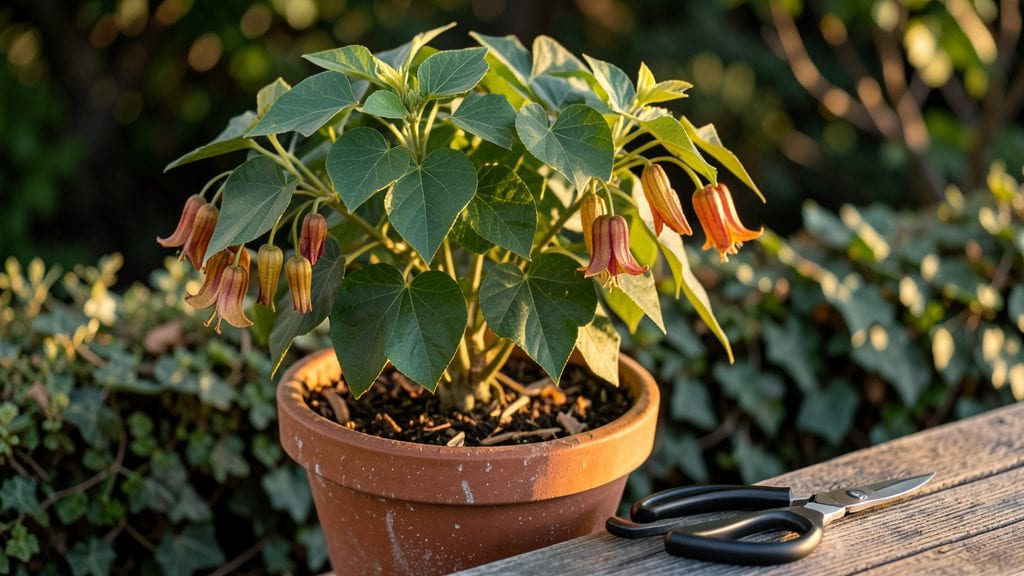
Pruning abutilon plants transforms leggy, sparse shrubs into bursting clouds of velvet blooms—and it’s easier than you think. ✨ I’ve turned my once-wild abutilons into tidy, flower-covered powerhouses by following a few key cuts at the right time, and you can too.
The secret isn’t aggressive trimming but strategic shaping that encourages new growth where you want it.
Timing matters most: prune right after blooms fade in late spring or early summer to shape the plant, then do a light cleanup in early fall to prep for winter. You’ll need sharp pruners, rubbing alcohol for sanitizing cuts, and gloves to avoid those pesky sap stains.
Avoid cutting into old, woody stems—they won’t regrow, but fresh green wood will sprout new branches in just 2-3 weeks.
After pruning, give your abutilon a deep watering and a light dose of balanced fertilizer to reward its new growth. Watch for fresh leaves pushing from the cut stems, and soon you’ll have a bush so lush it’ll make your neighbors ask for cuttings.
The key is patience—don’t rush the process, and you’ll enjoy blooms from summer straight through fall.
This method works for both container-grown abutilons and those planted in the ground, though potted plants respond fastest to pruning. Whether you’re dealing with a single plant or a whole collection, these steps will keep yours thriving for years.
Got questions about your abutilon’s specific needs? Drop them below—I’m happy to help!
📚 In This Guide
- What you need
- Instructions
- Tips and common mistakes
- Wrapping up and next steps
What you need
- ● Pruning shears: Bypass pruners with sharp, clean blades (avoid anvil pruners—they crush stems). Look for ergonomic handles for comfort during extended use.
- ○ Hand pruners (optional): For smaller stems or tight spaces, a pair of bypass hand pruners (4–6 inches) works well.
- ● Garden gloves: Nitrile-coated or heavy-duty leather gloves to protect against thorns and sap irritation.
- ● Disinfectant (70% isopropyl alcohol or bleach solution): 1 part bleach to 9 parts water to sterilize tools between cuts and prevent disease spread.
- ○ Small pruning saw (optional): For thick, woody stems ½ inch or larger—choose a folding pruning saw with a fine-tooth blade.
- ● Rubbing alcohol or hand sanitizer: To clean hands before and after pruning.
- ● Timing: Prune in early spring (before new growth) or late summer (after flowering). Avoid heavy pruning in fall or winter.
- ● Weather: Choose a dry, overcast day to minimize stress on the plant.
- ● Watering can or hose: To water thoroughly before and after pruning (helps reduce shock).
- ● Compost or mulch: To amend soil post-pruning and encourage root health.
- ○ Plant support (optional): If pruning for shape, a small stake or trellis can help guide regrowth.
Step-by-Step instructions for pruning abutilon plants
Revitalize your abutilon’s growth with these simple, proven techniques—your plant will thank you with fuller blooms and stronger branches.
✂️ Step 1: Gather Tools and Assess Growth
Start with clean, sharp pruning shears—dull blades crush stems and invite disease. I always wipe the blades with rubbing alcohol before cutting to prevent spreading any hidden pathogens. Examine your abutilon for dead or crossing branches, which compete for energy and block airflow. These are your first targets—removing them now prevents future stress.
Look for overly leggy stems (long, bare sections with few leaves) and weak growth (thin stems that bend easily). These signal your plant needs a reset. Hold each branch against the light to spot hollow or brittle sections—these won’t recover and should be pruned back to healthy tissue. Mark these areas with a pencil or your mind’s eye before cutting.
✂️ Step 2: Prune for Shape and Airflow
Step back and envision your abutilon’s ideal shape—most gardeners aim for a rounded, bushy form that encourages blooms. Start by cutting back 1/3 of the plant’s height from the top, making your cut just above a leaf node (the bump where leaves attach). This encourages branching and denser growth. Avoid cutting into bare wood—always leave a leaf or bud to spur new shoots.
For side branches, trim back any that cross or rub against others. These create wounds where pests and diseases can enter. Thin out crowded stems to improve airflow—aim for 4-6 inches between branches on mature plants. You’ll see immediate results: more light reaches the center, and your abutilon will grow fuller over the next few weeks.
🌿 Step 3: Encourage New Growth with Strategic Cuts
Now focus on rejuvenating the plant by cutting back old, woody stems to half their length. Look for stems that are thicker than a pencil—they’ve outgrown their usefulness and drain energy. Cut just above a leaf node angled outward from the center. This outward-facing cut helps the plant grow bushier rather than leggy.
If your abutilon has bare stems at the bottom, prune those back to the first set of healthy leaves. This may seem drastic, but it forces new growth from lower nodes, creating a fuller base. Water deeply after pruning—your plant will need it to recover and produce fresh shoots. Within 4-6 weeks, you’ll see vibrant new growth emerging from the pruned areas.
⏰ Step 4: Maintain and Monitor Recovery
After pruning, place your abutilon in a spot with bright, indirect light for a few days to reduce stress. Avoid direct sun until new leaves harden—this prevents sunburn on tender growth. Check the pruned areas daily for oozing sap or blackened edges, signs of over-pruning or disease. If you see these, wipe the area with a cotton ball dipped in rubbing alcohol and avoid watering until it heals.
Fertilize lightly 2 weeks after pruning with a balanced, water-soluble fertilizer (half-strength) to support new growth. You’ll notice tiny leaf buds forming at the pruned nodes within 3-4 weeks. These are your reward for the work—each one will grow into a stronger, bloom-producing branch. Keep an eye out for yellowing leaves on old stems; these are normal as the plant redirects energy to new growth.
Tips & tricks for pruning abutilon plants
Transforming your abutilon into a blooming powerhouse starts with these game-changing pruning strategies—ones that'll make all the difference between a sparse plant and a lush, vibrant beauty.
Tool Prep is Non-Negotiable: I learned this the hard way after ruining three batches of cuts with dull shears—clean, sharp blades are your best defense against crushed stems and disease. Always sanitize your tools with rubbing alcohol before and after pruning. For extra protection, spray the blades with a 10% bleach solution (1 part bleach to 9 parts water) and let air dry. This prevents cross-contamination between plants, especially if you're working with multiple abutilons.
The 1/3 Rule for Height: When you cut back 1/3 of the plant's height in Step 2, think of it as a growth reset button. This dramatic cut might seem scary, but it's what forces your abutilon to produce those bushy, bloom-filled branches we all want. For mature plants, this typically means cutting back 6-12 inches from the top—enough to remove the leggy growth while leaving plenty of structure. Remember to always cut just above a leaf node angled outward to encourage outward growth rather than inward crowding.
Strategic Stem Selection: Don't just cut randomly—focus on stems thicker than a pencil in Step 3. These woody stems have outlived their usefulness and are sapping energy from your plant. When pruning bare stems at the bottom, cut back to the first healthy set of leaves, even if it means removing what looks like half the plant. This might seem drastic, but within 4-6 weeks, you'll see a complete transformation as new growth emerges from those lower nodes, creating a fuller, more balanced plant.
Post-Pruning Care is Key: The 2 weeks after pruning are critical for your abutilon's recovery. Place it in bright, indirect light and avoid direct sun until new leaves harden—this prevents sunburn on tender growth. I've seen gardeners rush this step and end up with crispy new leaves. Also, resist the urge to fertilize immediately; wait the full 2 weeks to give your plant time to recover before applying that half-strength fertilizer. Yellowing leaves on old stems are normal as the plant redirects energy to new growth, but watch for oozing sap or blackened edges, which signal over-pruning or disease.
Pro Tips for Pruning Abutilon Plants
- Transforming your abutilon into a blooming powerhouse starts with these game-changing pruning strategies—ones that'll make all the difference between a sparse plant and a lush, vibrant beauty.
- Tool Prep is Non-Negotiable: I learned this the hard way after ruining three batches of cuts with dull shears—clean, sharp blades are your best defense against crushed stems and disease.
- The 1/3 Rule for Height: When you cut back 1/3 of the plant's height in Step 2, think of it as a growth reset button.
Frequently asked questions
about pruning abutilon plants—because even experts need a little clarity now and then!When is the best time to prune my abutilon?
Prune your abutilon in early spring (just before new growth starts) or after blooming (late summer/early fall) to encourage bushier growth and more flowers. Avoid heavy pruning in winter unless you’re in a mild climate—dormant plants need time to recover.
How much can I trim without harming my plant?
You can safely remove up to one-third of the plant’s foliage in a single session. Focus on dead, diseased, or overcrowded branches first, then shape the rest. Over-pruning can stress the plant, so err on the side of caution if it’s young or struggling.
Will pruning make my abutilon bloom more?
Pruning stimulates new growth and promotes more compact, bushier plants with abundant blooms. Pinch back tips in spring/summer to encourage branching, and deadhead spent flowers to redirect energy into fresh blooms.
What should I do if my abutilon looks leggy after pruning?
Leggy growth often means too little light or over-pruning. Move your plant to a sunnier spot (6+ hours of light daily) and avoid heavy cuts in fall/winter. Use a balanced fertilizer to support regrowth, and prune lightly to encourage denser foliage.
Can I propagate my abutilon from pruned cuttings?
Yes! Pruned cuttings make great propagation material. Dip 4–6 inch cuttings in rooting hormone, plant in moist potting mix, and cover with a plastic bag to retain humidity. Keep in bright, indirect light until roots form (4–6 weeks). Perfect way to grow more plants for free!
Wrapping up and next steps
Pruning your abutilon plants isn’t just about keeping them tidy—it’s your secret weapon for stunning, long-lasting blooms and a healthier, bushier shrub! 🌸 By mastering the right techniques (like pinching young growth, trimming leggy stems, and shaping strategically), you’ll encourage vibrant flowers and robust foliage all season.
Remember, consistency is key, and a little effort now means fewer surprises later.
Ready to see your abutilon thrive? Grab your pruners and start shaping! For extra confidence, watch a quick video tutorial or revisit our FAQs—your perfect pruning plan is just a step away. Happy gardening! ✂️🌿