
Planting
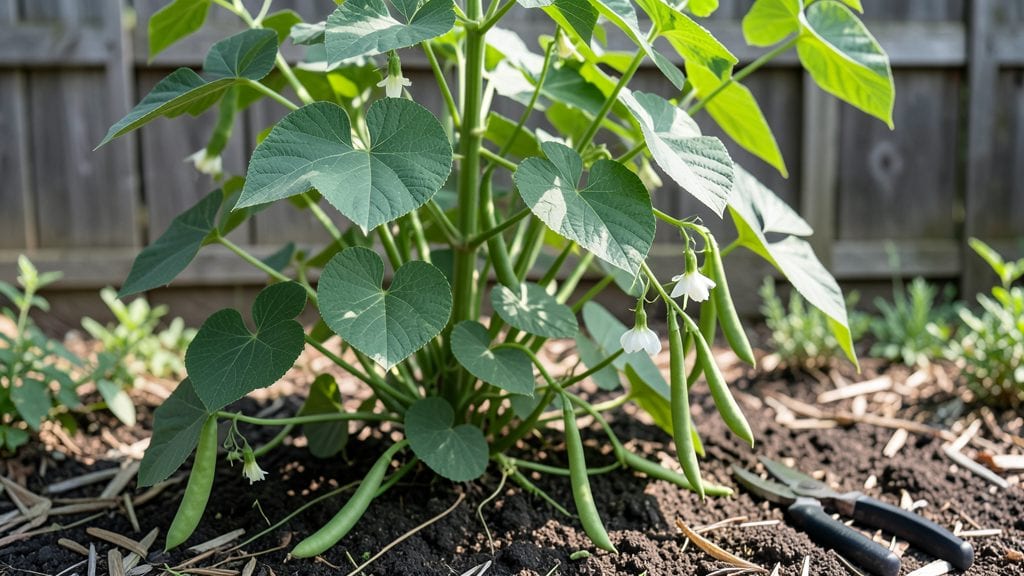
Identifying poisonous bean plants is critical because varieties like rosary pea (Abrus precatorius) and castor bean (Ricinus communis) contain deadly toxins—abrin and ricin, respectively. Never ingest seeds or plant parts, and wear gloves when handling to avoid skin contact with sap or crushed seeds.
These toxic plants can be mistaken for edible varieties, so knowing their appearance is key. 🌱 The rosary pea's striking red-and-black seeds are particularly dangerous, while castor bean seeds are mottled brown with a smooth surface.
Even small exposures to these toxins can cause severe symptoms like vomiting, respiratory distress, or organ failure—making immediate medical attention essential. Always double-check plant identification before handling, especially if you're working with seeds or garden plants.
If you suspect exposure, rinse the affected area with soap and water immediately, then seek professional help. Proper disposal is equally important—never compost or burn these plants without protective gear, as the toxins can linger in soil or smoke.
I've seen too many cases where curiosity led to tragic outcomes, so when in doubt, consult a local botanist or extension service for verification.
💡 In This Article
- Deadly Toxins in Poisonous Bean Plants
- Safety Measures for Handling Bean Plants
Deadly toxins in poisonous bean plants
Abrin and ricin are among the most potent natural toxins known to science, capable of shutting down a cell's protein production machinery. Here's what's actually happening: these toxins consist of two linked protein chains (A and B) that bind to specific receptors on cell surfaces.
The B chain helps the toxin enter cells, while the A chain—an enzyme called a ribosome-inactivating protein (RIP)—cleaves a single adenine base from ribosomal RNA, effectively destroying the cell's ability to make proteins. Without protein synthesis, cells die, leading to organ failure.
The lethal dose for ricin is estimated at just 0.5-1 milligram per kilogram of body weight—about the weight of a few grains of table salt. That means a single castor bean seed, which contains roughly 1-5 milligrams of ricin, could be fatal if ingested.
Abrin is even more potent, with a lethal dose of about 0.15 micrograms per kilogram—making it roughly 30 times stronger than ricin by weight. For comparison, that's about the weight of a single dust particle.
The toxins don't just affect the digestive system; they can cross cell membranes and attack organs like the liver, kidneys, and heart.
What makes these toxins so terrifying is their persistence. Ricin can remain active in soil for years, while abrin resists degradation even in harsh conditions. Even skin contact with crushed seeds can cause irritation or allergic reactions, though ingestion is far more dangerous.
The symptoms—nausea, vomiting, seizures, and organ failure—typically appear within 6-48 hours, leaving little time for medical intervention. This is why even accidental exposure, like a child swallowing a seed, requires immediate emergency care.
Not all toxic bean plants contain the same compounds. For example, jequirity bean (Abrus precatorius) produces abrin, while castor bean (Ricinus communis) contains ricin. Some species, like the black locust (Robinia pseudoacacia), produce phytohemagglutinin, which causes severe gastrointestinal distress but isn't as lethal.
The key difference lies in their molecular structures: abrin and ricin are RIPs, while phytohemagglutinin disrupts cell membranes. This variation means symptoms and treatment approaches differ significantly between species.
Even the plant's appearance can be deceptive. Rosary pea seeds, for instance, are often mistaken for edible beans due to their glossy, colorful appearance. The red-and-black seeds are particularly eye-catching, but their beauty hides a deadly secret.
Castor bean seeds, on the other hand, are more subdued in color but equally dangerous. The toxins are concentrated in the seeds, but the plant's sap can also cause skin irritation, making handling these plants without protection a risky endeavor.
Here's what most people don't realize: these toxins aren't just deadly—they're also highly stable. Ricin, for example, can survive 121°C (250°F) for up to 30 minutes, meaning boiling won't neutralize it.
The only sure way to destroy these toxins is through incineration at temperatures above 800°C (1472°F) or chemical degradation with strong oxidizers like bleach. This stability is why proper disposal is critical—even composting can leave residual toxins in the soil.