
Companion Plants
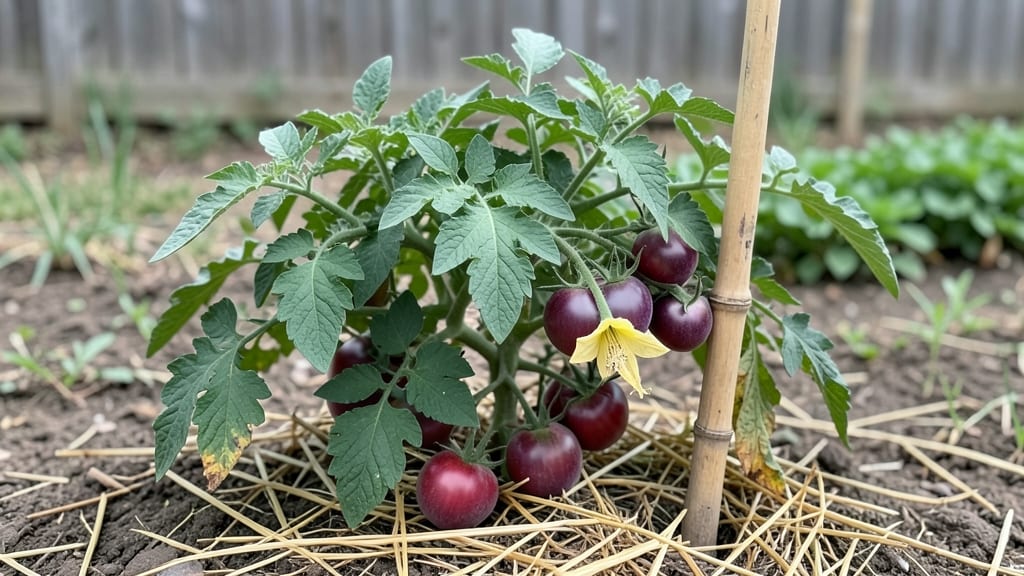
Plum tomato plants like Roma and San Marzano transform your garden into a pollinator magnet while delivering unmatched flavor in every slice. 🌿 I’ve grown them for years, and the secret isn’t just their sweet-meaty flesh—it’s how they lure bees and butterflies that cross-pollinate nearby plants, boosting your entire harvest.
The vines thrive with minimal fuss, so long as you nail the soil, stakes, and a few key care tricks.
Start with well-draining soil mixed with compost, and plant after your last frost when nighttime temps stay above 55°F. These vines need 6-8 hours of sun daily and plenty of space—18-24 inches apart in rows spaced 3 feet apart.
Staking early prevents sprawl, and pruning suckers keeps energy focused on fruit production. Water at the base, not the leaves, to avoid disease.
Harvest begins when tomatoes turn deep red and yield slightly to gentle pressure—60-80 days after transplanting, depending on your zone. The flavor deepens as they ripen on the vine, so don’t rush!
Store them at room temperature for best taste. With the right care, you’ll end up with bushels of sauces, salsas, and sun-dried treats—and a garden humming with life.
Common mistakes? Overwatering (root rot risk) and skipping pruning (fewer fruits, more foliage). But once you get the rhythm, plum tomatoes reward you with heavy vines of glossy fruit that make grocery-store tomatoes feel like a letdown. Ready to grow your own pollinator paradise?
📚 In This Guide
- What you need
- Instructions
- Tips and common mistakes
- Wrapping up and next steps
What you need
- ● Plum tomato seeds or seedlings: Choose disease-resistant varieties like 'Sungold', 'Sweet Million', or 'Black Plum'. Start with 3–5 plants for a small harvest or 6+ plants for larger yields.
- ● Well-draining potting mix or garden soil: Use a high-quality, organic mix (e.g., Miracle-Gro Potting Mix) or amend garden soil with compost (50% soil, 50% compost).
- ● Containers or garden space: Containers: 5-gallon pots (minimum) with drainage holes. Use 2–3 plants per container.
- ● Garden beds: Ensure 6+ hours of sunlight daily and 18–24 inches of spacing between plants.
- ● Fertilizer: A balanced, organic fertilizer (e.g., 10-10-10) or tomato-specific feed (e.g., Fish emulsion).
- ● Support system: Cages or stakes: 6–8 ft tall (e.g., tomato cages or bamboo stakes).
- ● Trellis or string: For indeterminate varieties (e.g., 'Sweet Million').
- ● Watering can or hose with a gentle nozzle: Tomatoes need 1–2 inches of water weekly (adjust for climate).
- ● Mulch: Straw or shredded leaves (2–3 inches thick) to retain moisture and suppress weeds.
- ● Pruning shears: For trimming suckers and shaping plants.
- ● Gloves: To protect hands while handling soil or thorny vines.
- ● Pollinator-friendly companions: Plant basil, marigolds, or borage nearby to attract bees and boost yields! 🐝
- ● Shade cloth: For hot climates (30–50% shade during peak sun hours).
- ● pH test kit: Ideal soil pH for tomatoes is 6.0–6.8.
Step-by-Step guide to growing pollinator-friendly plum tomatoes
Here's how to cultivate thriving plum tomato vines that attract bees and butterflies while maximizing fruit production.
🌱 Step 1: Select and Prepare Disease-Resistant Transplants
Choose plum tomato varieties like 'Sweet Million' or 'Black Cherry' that thrive in containers and attract pollinators with their abundant flowers. I always opt for disease-resistant seedlings (look for labels like VFN) to avoid fungal issues that plague tomatoes. Handle plants gently when transplanting—rough treatment stresses roots and delays flowering.
Before planting, soak the root balls in lukewarm water for 10-15 minutes to rehydrate roots. This jumpstarts growth and helps plants recover from nursery shock faster. I like to trim any damaged lower leaves with sterilized scissors—this reduces disease entry points and redirects energy to fruit production.
🪴 Step 2: Plant in Well-Draining, Nutrient-Rich Soil
Fill your 5-gallon containers with a mix of high-quality potting soil and compost (I use a 70/30 ratio). Plum tomatoes need fertile, well-draining soil to prevent blossom-end rot. Press the soil lightly around the root ball, leaving 1 inch between the plant's stem and soil surface—this prevents rot while allowing roots to expand.
Place plants in a location with full sun exposure (at least 8 hours daily). If growing in partial shade, expect smaller yields and fewer flowers. I stake each plant immediately with 4-foot bamboo stakes tied loosely with soft plant ties—this prevents wind damage and supports heavy fruit loads without restricting growth.
💧 Step 3: Water Deeply and Maintain Consistent Moisture
Water deeply at the base every 2-3 days, ensuring the top 2 inches of soil feel moist but not soggy. Plum tomatoes are drought-sensitive, and inconsistent moisture leads to blossom drop or cracked fruit. I use a watering can with a narrow spout to direct water to the roots, avoiding wet foliage that invites disease.
Mulch with 1-2 inches of organic mulch (like straw or shredded leaves) to retain moisture and suppress weeds. This also keeps soil temperatures stable—critical for pollinator activity. Watch for yellowing lower leaves, which signals overwatering, and adjust frequency if the soil stays damp longer than 48 hours.
☀️ Step 4: Encourage Pollinators and Prune for Airflow
Plant pollinator-friendly companions like basil or marigolds nearby to attract bees and butterflies—they're essential for fruit set in container-grown tomatoes. I also hand-pollinate on cloudy days by gently shaking plants to release pollen. Prune suckers (the shoots that grow between the main stem and branches) weekly to redirect energy to fruit production.
Remove yellow or diseased leaves immediately with sterilized pruners to prevent spread. Thin clusters to 3-4 tomatoes per truss—this ensures larger, sweeter fruit. I always prune in the morning when humidity is low, reducing the risk of fungal infections. Leave lower leaves intact to protect against sunscald on exposed fruit.
✂️ Step 5: Harvest and Extend the Season
Pick plum tomatoes when they're fully colored and slightly soft to touch—this ensures peak flavor and triggers more fruit production. Harvest every 2-3 days during peak season to prevent overcrowding. Store in a cool, shaded spot (not the fridge) for up to 5 days—cold temperatures degrade flavor.
To extend the harvest, prune back vines by 1/3 after the first flush of fruit. This encourages a second wave of blooms. I also fertilize lightly with a balanced liquid fertilizer (10-10-10) every 4-6 weeks to sustain growth. Save seeds from your best tomatoes by fermenting and drying them—this preserves heirloom traits for next year.
Tips & tricks for pollinator-friendly plum tomatoes
Pollinator-friendly plum tomatoes thrive when you pay attention to the little details that make all the difference. These tried-and-tested strategies will help you maximize yield while keeping your garden buzzing with life.
The Root Soak Secret: That 10-15 minute lukewarm water soak for root balls in Step 1 isn't just about hydration—it's a game-changer for transplant shock. I add a pinch of compost tea to the water for extra microbial boost. This simple step can cut recovery time in half and get your plants flowering faster. The key is consistency: use water that's warm to the touch but not hot enough to shock the roots further.
Soil Science Matters: The 70/30 potting soil to compost ratio in Step 2 creates the perfect balance of fertility and drainage. I always sift the soil mix to eliminate large clumps that could impede root growth. For containers, add a handful of perlite to improve aeration—this prevents that dreaded blossom-end rot while keeping roots oxygenated. Remember, plum tomatoes are heavy feeders, so that rich soil gives them the foundation they need for abundant fruit production.
Watering Wisdom: Those 2-3 day watering intervals in Step 3 work best when paired with the right technique. I water at the base using a narrow-spout can until water flows from the drainage holes—this ensures deep saturation without wetting leaves. The 48-hour dampness check is crucial: if soil stays wet longer, reduce frequency immediately. Morning watering prevents evening moisture that invites fungal diseases, while mulching with straw creates a microclimate that maintains consistent soil temperatures for pollinator activity.
Pruning Precision: The weekly sucker removal in Step 4 is where many gardeners go wrong. I use clean, sharp pruners to snip suckers at their base—never tear them off. For the 3-4 tomatoes per truss guideline, I look for clusters where the fruit has good spacing. This prevents overcrowding and allows each tomato to reach its full sweet potential. The morning pruning tip is non-negotiable: lower humidity means less disease risk, and you'll notice the plants respond better to the stress of pruning.
Pro Tips for Plum Tomato Plants
- Pollinator-friendly plum tomatoes thrive when you pay attention to the little details that make all the difference.
- The Root Soak Secret: That 10-15 minute lukewarm water soak for root balls in Step 1 isn't just about hydration—it's a game-changer for transplant shock.
- Soil Science Matters: The 70/30 potting soil to compost ratio in Step 2 creates the perfect balance of fertility and drainage.
Frequently asked questions
Got questions about growing plum tomato plants?
You’re not alone! Here are some of the most common queries—and their straightforward answers—to help you cultivate a thriving, pollinator-friendly vine.
When is the best time to plant plum tomato seeds or seedlings?
For warm climates (zones 8–10), start seeds indoors 6–8 weeks before the last frost or plant directly in spring when soil temps reach 60°F+. In cooler zones (5–7), wait until after the last frost—typically late April to early June. Pro tip: Use black plastic mulch to warm the soil faster!
Do plum tomatoes need pollinators, or can they self-pollinate?
While plum tomatoes can self-pollinate, they produce far more fruit with help from bees, butterflies, or even gentle shaking of the vines. Plant them near pollinator-friendly companions like basil, marigolds, or borage to attract visitors. Bonus: Their small, sweet fruits are a bee magnet!
How long does it take for plum tomato plants to bear fruit?
From seed, expect fruit in 70–90 days (check your variety’s days-to-maturity label). Seedlings may fruit in 50–60 days. Patience pays off—early blooms might drop if nights are chilly (below 55°F), but consistent warmth = steady harvests. Speed tip: Use grow lights for seedlings to jumpstart growth!
What should I do if my plum tomato plants have yellow leaves?
Yellow leaves usually signal overwatering, nutrient deficiency, or disease. Check soil moisture (top inch should be dry); adjust watering. Test for blossom end rot (calcium deficiency) or early blight (brown spots). Prune affected leaves, improve drainage, and feed with compost or a balanced fertilizer (10-10-10). Preventive tip: Mulch to retain moisture and deter soil-borne pathogens.
Can I grow plum tomatoes in containers, or do they need a garden bed?
Plum tomatoes thrive in 5-gallon+ containers with well-draining soil and regular watering. Choose determinate varieties (bush-type) for pots—indeterminate vines need staking and deeper pots. Add a time-release fertilizer and place in full sun (6+ hours). Container hack: Use self-watering pots to avoid drought stress!
Are plum tomatoes better for cooking, fresh eating, or sauces?
Plum tomatoes shine in sauces, salsas, and roasted dishes thanks to their meaty texture and low water content. Their sweet-tart flavor also works fresh in salads or stuffed with cheese. For best results, let them ripen fully on the vine—green plucked tomatoes won’t sweeten post-harvest. Flavor tip: Pair with garlic and olive oil for a restaurant-worthy sauce!
Wrapping up and next steps
Growing plum tomato plants isn’t just about yielding delicious, sweet tomatoes—it’s about fostering a thriving, pollinator-friendly garden that benefits the whole ecosystem. 🌿 With the right companion plants, soil care, and a little patience, you’ll enjoy a bountiful harvest while supporting bees, butterflies, and other beneficial insects.
The key takeaway? Start small, stay consistent, and let nature do the rest!
Ready to take the next step? Plant a few plum tomato vines this season and watch your garden—and your harvest—flourish. Share your progress with fellow gardeners, and don’t forget to experiment with new companion pairings next year! 🌱