Transplanting
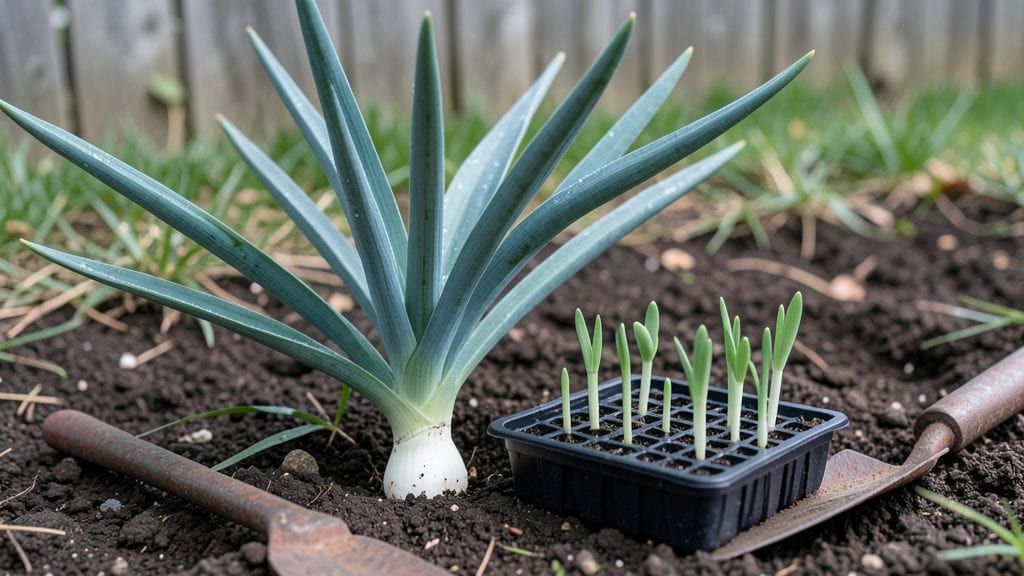
Planting wild leeks means unlocking a year-round food source that grows back stronger every season—no seeds needed. I’ve spent years watching these tough, onion-family plants thrive in damp corners of my yard, and I’ll show you how to replicate that resilience in your own space.
The key isn’t fancy prep but mimicking their natural woodland home: rich, moist soil and dappled shade.
You’ll need a shovel, some wild leek roots (or seeds if you’re starting fresh), and a spot that stays damp but drains well—think near a rain garden or under trees. Divide existing plants in early spring or fall, or sow seeds in containers first.
Spacing matters: give them 12–18 inches apart to prevent competition, and plant the roots just below soil level so they anchor like they would in the wild.
Once established, wild leeks are nearly maintenance-free—they’ll send up those signature grass-like leaves year after year. Harvest the white bulbs in early spring or the greens whenever they’re tall enough, and the plants keep coming back.
The real magic? They spread naturally, turning your garden into a self-sustaining foraging zone without extra work.
Perfect for shady spots, wetter climates, or anyone tired of annual planting. Here’s how to get them growing strong—and why they’re the ultimate low-effort perennial. Let’s dig in!
📚 In This Guide
- What you need
- Instructions
- Tips and common mistakes
- Wrapping up and next steps
What you need
- ● Wild leek bulbs or seeds: 10–20 bulbs (for direct planting) or 1–2 seed packets (if starting from scratch). Choose certified organic or locally sourced bulbs to ensure vitality and avoid invasive species.
- ● Garden soil: Well-draining, slightly acidic to neutral soil (pH 6.0–7.0). Amend with compost if your soil is heavy or clay-like.
- ● Organic compost or fertilizer: 1–2 cups of balanced organic fertilizer (e.g., 5-5-5) or well-rotted compost per planting area to boost growth.
- ● Watering can or hose with a gentle spray nozzle: For consistent moisture without disturbing young plants.
- ● Garden gloves: A pair to protect your hands from soil and sharp bulb edges.
- ● Trowel or small shovel: For digging planting holes (6-inch depth recommended).
- ○ Mulch (optional but recommended): Straw, wood chips, or shredded leaves to retain moisture and suppress weeds.
- ● Planting grid or measuring tape: To space bulbs 6–12 inches apart for optimal growth.
- ● Shade cloth (30–50% coverage): If planting in hot climates to protect young shoots from scorching.
- ● Row covers or netting: To deter pests like deer or rabbits (especially in early spring).
- ● pH testing kit: To ensure your soil meets the ideal acidity level for wild leeks.
- ● Label markers: To track planting dates and varieties if growing multiple types.
Step-by-Step instructions for planting wild leeks
Here's how to establish a thriving wild leek patch that rewards you with harvests from early spring through fall.
Choose the Right Location and Prepare the Soil
Wild leeks thrive in partial shade to full shade, making them perfect for under trees, along fences, or in woodland garden edges. Avoid areas where water pools—these plants hate soggy roots. I always test soil drainage by digging a 6-inch deep hole, filling it with water, and watching how quickly it drains. If it takes longer than 30 minutes, amend with 2 inches of compost to improve drainage.
Loosen the top 4 inches of soil with a garden fork or tiller to break up compaction. Wild leeks spread through rhizomes, so avoid tilling deeper than necessary—this can damage the underground stems. If your soil is heavy clay, mix in 1 part sand for every 2 parts soil to create a looser texture. The goal is soil that feels like a well-wrung sponge—moist but not sticky.
Plant Rhizomes or Seeds at the Right Time
For fastest establishment, plant rhizome cuttings in early spring or early fall when soil temperatures hover around 60-65°F. If starting from seed, sow in late summer so seedlings have time to develop roots before winter. Dig a 1-inch deep trench and lay rhizomes 6 inches apart, spacing rows 12 inches apart to allow for spreading. Cover lightly with soil and water gently to settle.
If using seeds, scatter them ¼ inch deep in the prepared trench. Keep the soil consistently moist but not soggy—wild leek seeds need 2-3 weeks of steady moisture to germinate. I like to cover the area with 2 inches of mulch (like shredded leaves) to retain moisture and suppress weeds. This also mimics their natural woodland habitat.
Mulch and Water for Establishment
Spread 2-3 inches of organic mulch (like wood chips or straw) over the planted area to retain moisture and regulate soil temperature. Wild leeks are drought-tolerant once established, but young plants need 1 inch of water per week during their first growing season. Water deeply twice a week in dry spells, aiming for the soil rather than the leaves to prevent fungal issues.
Check soil moisture by sticking your finger 1 inch deep—if it feels dry, it’s time to water. Avoid overhead watering once leaves appear, as wet foliage invites rust and other diseases. I’ve found that watering in the early morning reduces evaporation and gives plants a full day to dry off.
Monitor and Encourage Spread
Wild leeks spread aggressively through rhizomes, so give them space to colonize. After the first year, you’ll see new shoots popping up 6-12 inches away from the original planting. Thin these volunteers to maintain healthy spacing—12-18 inches apart—so air circulates and prevents disease. The more you harvest, the more they’ll spread to fill in gaps.
In early spring, before new growth emerges, top-dress the bed with 1 inch of compost to feed the rhizomes. Avoid heavy fertilizers—wild leeks prefer lean, slightly acidic soil. If your area gets hot summer sun, provide afternoon shade to prevent leaf scorch. You’ll know they’re happy when they produce long, strappy leaves by mid-spring.
Harvest and Maintain for Year-Round Yields
Start harvesting young leaves in late spring when they reach 6-8 inches tall, cutting them back to 2 inches above ground level. This encourages regrowth and prevents the plant from going to seed. In fall, leave some foliage to die back naturally—this protects the rhizomes from winter cold. Wild leeks are perennial, so with proper care, they’ll produce harvests for 5-10 years or more.
Divide clumps every 3-4 years to prevent overcrowding. Dig up a section of the rhizome mat in early spring, separate the pieces with a sharp knife, and replant them 6 inches apart. This rejuvenates the patch and gives you new planting material. With minimal effort, you’ll have a self-sustaining wild leek bed that feeds you all season long.
Tips & tricks for perfect wild leek planting
These practical insights will help you establish a thriving wild leek patch that delivers year-round harvests with minimal effort.
Soil Drainage Test: The 30-minute drainage test in Step 1 is your best friend for preventing root rot. If water disappears in under 10 minutes, your soil drains too quickly—add some compost to help retain moisture. If it's still standing after 30 minutes, you definitely need that 2 inches of compost to improve drainage. I've seen wild leeks struggle in both extremes, so aim for that "well-wrung sponge" texture mentioned in the instructions.
Planting Depth Matters: When planting rhizomes in that 1-inch deep trench, make sure they're not buried too deeply—just cover them with about ½ inch of soil. The tops should remain visible. For seeds planted ¼ inch deep, use your finger to make small dimples rather than pressing them into the soil, which can prevent germination. I've had better success with this gentle approach than pressing seeds firmly into place.
Mulch Strategy: That 2-3 inches of organic mulch in Step 3 serves multiple purposes beyond moisture retention. It also regulates soil temperature, which is especially important in hot climates where wild leeks can get stressed. I recommend using wood chips rather than straw—they last longer and break down more slowly. Just make sure to keep the mulch 2-3 inches away from the plant stems to prevent rot.
Harvesting Technique: When harvesting those 6-8 inch tall leaves in late spring, always cut with clean, sharp scissors or pruners. This prevents tearing that can damage the plant. Leave those 2 inches of stem—this ensures the plant has enough energy to regrow. I've found that harvesting in the morning gives me the freshest leaves and allows the plants to recover more quickly during the day.
Pro Tips for Planting Wild Leeks
- These practical insights will help you establish a thriving wild leek patch that delivers year-round harvests with minimal effort.
- Soil Drainage Test: The 30-minute drainage test in Step 1 is your best friend for preventing root rot.
- Planting Depth Matters: When planting rhizomes in that 1-inch deep trench, make sure they're not buried too deeply—just cover them with about ½ inch of soil.
Frequently asked questions
Got questions about growing wild leeks?
Here are answers to the most common ones—from timing to troubleshooting—to help you cultivate this hardy perennial with confidence!
When is the best time to plant wild leeks?
Plant wild leeks in early spring or fall for optimal success. Spring planting (March–April) gives roots time to establish before summer heat, while fall planting (September–October) allows them to settle before winter. Avoid planting in mid-summer—the heat stresses young plants.
Can I grow wild leeks in containers or just in the ground?
Yes! Wild leeks thrive in containers (12"+ depth) with well-draining soil and regular watering. Use pots for patios or balconies, but ensure they get partial shade. In-ground planting is ideal for larger harvests, but containers work great for small spaces or urban gardens.
What pests or diseases should I watch for?
Wild leeks are pest-resistant, but watch for leek moths (tiny larvae) and aphids. Remove damaged leaves promptly. Overwatering can cause root rot, so ensure soil drains well. A light mulch helps deter pests while keeping soil moist.
How long does it take for wild leeks to mature?
With proper care, wild leeks mature in 2–3 years, but you can harvest small shoots as early as the first year. Patience pays off—they multiply over time, creating a self-sustaining patch. Harvest selectively to encourage regrowth.
What if my wild leeks aren’t growing well?
Check these fixes:
- Too much sun? Move to partial shade.
- Dry soil? Water deeply 1–2x/week.
- Poor soil? Amend with compost or leaf mold.
- Crowded roots? Divide clumps every 3–4 years.
Wrapping up and next steps
Planting wild leeks is a rewarding way to enjoy a year-round, low-maintenance harvest—whether you're a seasoned gardener or just starting out.
These hardy perennials thrive with minimal effort, offering fresh greens for salads, soups, and sautés while supporting local ecosystems. Now that you’re equipped with the right tools and tips, there’s no better time to dig in!
🌱 Your Next Step: Plant & Grow
Start small—grab a few wild leek bulbs or seeds, mark your spot, and let nature do the rest. Watch your garden transform into a wild, flavorful oasis in no time. Happy planting! 🌿