
Planting
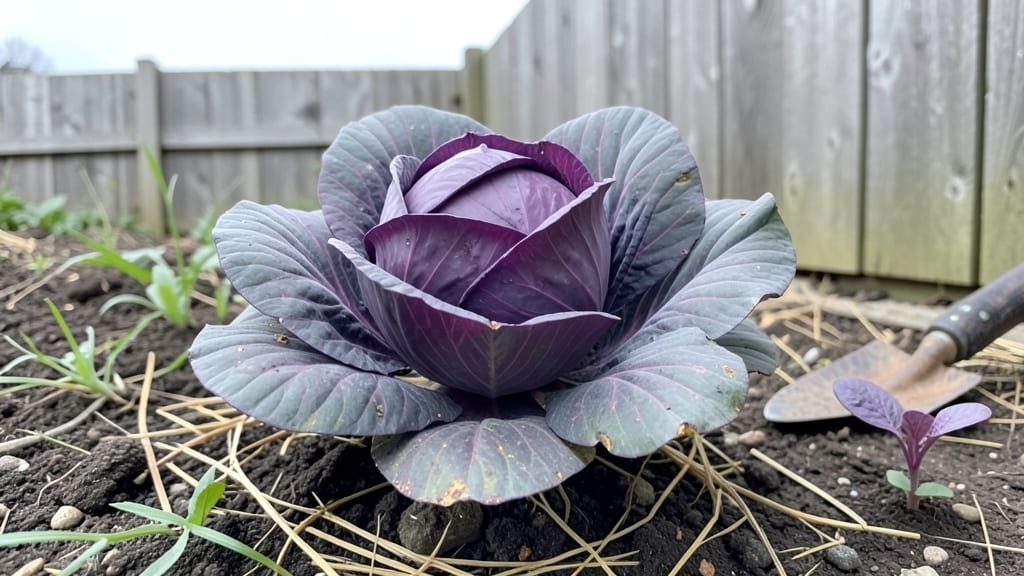
Planting purple cabbage is easier—and more rewarding—than you’d think, with those deep purple leaves ready in just 70 days from seed and tasting just as sweet as green.
I remember my first purple cabbage: the way the heads glowed against the garden bed, and how my neighbors kept asking what kind of sorcery made it look like that. It’s not just pretty—it’s a powerhouse in the kitchen too, with a slightly sweeter, more tender bite than regular cabbage.
The secret to growing this bold beauty starts with cool soil—wait until nighttime temperatures dip below 75°F before planting, whether you’re starting seeds indoors or setting out transplants.
Purple cabbage thrives in full sun to partial shade, but too much heat will make the leaves bolt before they bulk up. Amend your soil with compost before planting, and space heads 12–18 inches apart so they don’t crowd each other out.
Water consistently—1 inch per week—keeping the soil moist but not soggy, because soggy soil is how cabbage gets those dreaded yellowing edges.
By midseason, you’ll be harvesting heads that look like they belong in a fantasy novel, and the best part? They keep producing side shoots for weeks after the main head comes off.
My first purple cabbage harvest was so impressive that I swore off green cabbage forever—the color alone makes every dish feel special, whether you’re fermenting it into sauerkraut or roasting it until caramelized.
Just don’t let it sit too long in the garden, or those beautiful leaves will turn bitter faster than you’d think.
This variety is forgiving for beginners, but one mistake—like planting too early or letting the soil dry out—can turn your purple dream into a sad, yellowing mess. The good news?
Purple cabbage handles cool weather better than most, so you can often squeeze in a second crop in early fall. Once you master it, you’ll wonder why you ever grew green cabbage at all.
📚 In This Guide
- What you need
- Instructions
- Tips and common mistakes
- Wrapping up and next steps
What you need
- ● Purple cabbage seeds: 1 packet (approx. 50-100 seeds, non-GMO preferred for best flavor and color).
- ● Well-draining soil: 10-15 lbs of organic potting mix or garden soil (amended with compost for fertility).
- ● Containers or garden bed: Containers: 5-7 gallon pots (1 per plant) with drainage holes.
- ● Garden bed: Full sun (6+ hours/day) and loose, fertile soil.
- ● Watering can or hose: With a gentle spray nozzle for consistent moisture.
- ● Fertilizer: Balanced organic fertilizer (10-10-10 or compost tea) for transplanting and mid-growth.
- ● Gloves: Gardening gloves to protect hands from soil and sharp leaves.
- ● Trowel or transplanter: For digging holes and transplanting seedlings.
- ○ Row cover or shade cloth: (Optional) To protect seedlings from pests or harsh sun.
- ● Mulch: Straw or wood chips to retain moisture and suppress weeds.
- ○ pH test kit: (Optional) To ensure soil pH is between 6.0-7.0 (purple cabbage thrives here!).
Step-by-Step instructions for planting purple cabbage
Here’s how to grow vibrant purple cabbage with minimal fuss—perfect for cool-season gardens.
Prepare the Soil for Optimal Growth
Purple cabbage thrives in rich, well-draining soil with a pH between 6.0 and 7.0. Work 2-3 inches of compost into the top 12 inches of soil to improve fertility and drainage. Avoid heavy clay or sandy soil—amend with 1-2 inches of aged compost or peat moss if needed. Test the soil’s moisture by squeezing a handful; it should hold together but not feel soggy. If your soil is compacted, loosen it with a garden fork to encourage root growth.
I like to add a balanced fertilizer (10-10-10) at planting time—just 1 tablespoon per plant—to give the cabbage a nutrient boost. This ensures strong early growth without overfeeding. Spread the fertilizer evenly in the planting hole before placing the seedling, then mix it into the soil. Water the area lightly to help the nutrients settle.
Plant Seeds or Transplants at the Right Time
For direct sowing, plant seeds ¼ inch deep and 18 inches apart in rows 24 inches apart. Space matters—crowded plants lead to smaller heads and poor air circulation. If starting from transplants, set them 12-15 inches apart in rows 2 feet apart to allow room for growth. Purple cabbage matures in 70 days, so time your planting for 4-6 weeks before the last frost in spring or 60-70 days before the first fall frost.
Press the soil gently around the seeds or transplants to remove air pockets, then water deeply to 1 inch of soil depth. Keep the soil consistently moist—not soggy, not bone-dry—until germination, which takes 5-10 days. If using transplants, water them immediately after planting to reduce shock. Mulch with 2 inches of straw or grass clippings to retain moisture and suppress weeds.
Maintain Consistent Care for Healthy Heads
Purple cabbage needs 1-1½ inches of water per week, delivered evenly. Water at the base in the morning to prevent fungal diseases. Let the top 1 inch of soil dry slightly between waterings—this prevents rot while keeping roots hydrated. Yellowing leaves often signal overwatering, while wilted leaves mean the plant is thirsty. Adjust your watering based on rainfall; drought stress slows head formation.
Apply a low-nitrogen fertilizer (5-10-10) when the plants are 4-6 inches tall to encourage head development. Use 1 tablespoon per plant, working it into the soil around the base. Avoid high-nitrogen fertilizers—they promote leafy growth at the expense of the head. Watch for pests like cabbage worms or aphids; handpick them early or use neem oil spray if needed. Aphids cluster on undersides of leaves, so check regularly.
Harvest at Peak Maturity for Best Flavor
Harvest purple cabbage when the heads are firm, compact, and reach 6-8 inches in diameter. Gently twist the head to separate it from the stem—don’t cut, as this can damage the plant. Harvest in the morning after dew has dried to preserve crispness. Store unwashed heads in the fridge for up to 2 weeks or ferment for sauerkraut. If heads split open before harvest, they’ve outgrown their space—pick them immediately to use in recipes.
For continuous harvests, succession plant seeds every 2-3 weeks until 6 weeks before the first fall frost. Purple cabbage handles light frosts well, so fall plantings often yield sweeter heads. If your growing season is short, choose compact varieties like ‘Purple Magic’—they mature faster and produce smaller, more manageable heads. Enjoy the bold color and crisp texture in salads, stir-fries, or roasted dishes!
Tips & tricks for planting purple cabbage
A few simple strategies will help you grow vibrant purple cabbage that rivals anything from the farmers' market.
Soil Prep is Everything: In Step 1, don't skip the soil test if possible—many gardeners assume their soil is fine, but purple cabbage thrives when the pH is exactly 6.0-7.0. If your soil tests lower, add lime to raise the pH gradually. I've seen plants struggle in slightly acidic soil even when other vegetables do fine. The 2-3 inches of compost you're adding should be well-aged—fresh compost can burn tender roots and set your plants back weeks.
Timing Your Planting: The 70-day maturity time in Step 2 is your best friend for planning. Use a frost chart for your region to calculate planting dates precisely. I always mark my calendar 6 weeks before the last frost date in spring and 60-70 days before the first fall frost. This gives you two harvest windows instead of one. For northern climates, consider using row covers to extend your growing season by 2-3 weeks.
Watering Wisdom: In Step 3, the 1-1½ inches of water per week is a great guideline, but timing matters just as much. I've found that watering deeply every 3-4 days (rather than daily light watering) encourages deeper root growth. The key is to let the top inch of soil dry between waterings—this prevents rot while keeping roots hydrated. A drip irrigation system works beautifully for consistent moisture without wetting the leaves, which helps prevent fungal diseases.
Pest Prevention: When you notice pests in Step 3, don't wait until they're visible. Start checking the undersides of leaves regularly as soon as plants are 4-6 inches tall. I've had success with a preventive spray of neem oil every 2 weeks during the growing season, even when pests aren't present. The oil creates a protective barrier that deters many common cabbage pests before they become a problem. Always spray in the evening when bees aren't active.
Pro Tips for Planting Purple Cabbage
- A few simple strategies will help you grow vibrant purple cabbage that rivals anything from the farmers' market.
- Soil Prep is Everything: In Step 1, don't skip the soil test if possible—many gardeners assume their soil is fine, but purple cabbage thrives when the pH is exactly 6.0-7.0.
- Timing Your Planting: The 70-day maturity time in Step 2 is your best friend for planning.
Frequently asked questions
Got questions about growing purple cabbage? Here are some common ones—and the answers to help you get started with confidence!
When’s the best time to plant purple cabbage?
Sow seeds indoors 6–8 weeks before your last frost date, or transplant seedlings outdoors 3–4 weeks after frost. Purple cabbage thrives in cool weather (50–75°F), so aim for early spring or late summer planting for a fall harvest. Pro tip: If your summers are hot, try a mid-summer planting for a winter crop!
How often should I water purple cabbage?
Keep soil consistently moist but not soggy—aim for 1–1.5 inches of water per week. Water deeply in the morning to prevent fungal issues. Watch out: Overwatering can cause rot, while underwatering stresses the plant. Mulch around the base to retain moisture and keep roots cool.
What if my purple cabbage leaves turn yellow?
Yellowing leaves often mean nitrogen deficiency (too little fertilizer) or overwatering. Try these fixes:
- Add balanced fertilizer (10-10-10) every 4–6 weeks.
- Check drainage—ensure pots or soil don’t hold excess water.
- Inspect for pests (like cabbage worms) or disease (like clubroot).
Can I grow purple cabbage in containers?
Purple cabbage does well in containers as long as you provide:
- A pot at least 12 inches deep with drainage holes.
- Well-draining, fertile soil (mix in compost).
- Full sun to partial shade (4–6 hours of sunlight daily).
What’s the difference between purple cabbage and regular cabbage?
Beyond the vibrant color, purple cabbage has:
- Higher antioxidant levels (thanks to anthocyanins!), which may boost immunity.
- A slightly sweeter, earthier taste when cooked.
- Better cold tolerance—it stays crisp longer than green cabbage.
Wrapping up and next steps
Planting purple cabbage is a rewarding journey that brings vibrant color and nutrition to your garden in just 70 days! Whether you're a beginner or a seasoned gardener, this bold crop is easy to grow and packed with benefits—from stunning visuals to health-boosting properties. 🌱
Now that you’re armed with materials, tips, and answers, it’s time to roll up your sleeves and start planting! Try experimenting with companion plants or sharing your harvest with neighbors—your garden (and taste buds) will thank you. Happy growing! 🌟