Pruning
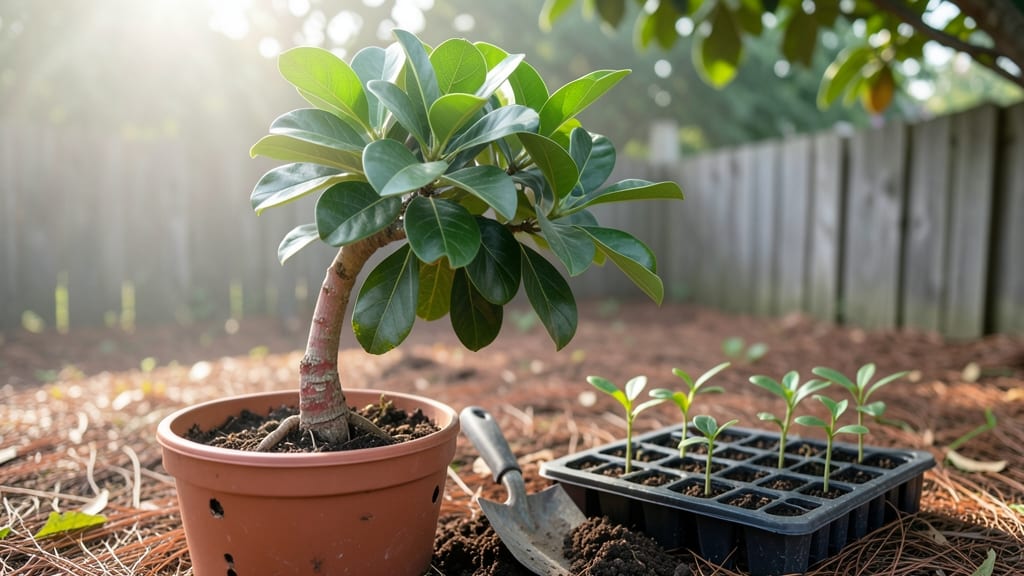
Planting a lychee tree means bringing exotic fruit flavors to your yard—or even a large pot—if you live in the right climate. I’ve grown mine in South Florida for five years, and those first sweet, fragrant blooms in spring make every bit of prep worth it.
The key isn’t just digging a hole; it’s matching your tree’s tropical roots to your soil, sun, and patience for a harvest that can take 3-5 years.
You’ll need a spot with full sun (at least 6-8 hours daily) and well-draining soil—lychees hate soggy feet. If your soil’s heavy clay, mix in compost and coarse sand to mimic their native tropical conditions.
For container growing, a 20-gallon pot with drainage holes works, but expect slower growth. And here’s the secret: young trees need consistent moisture, but once established, they’re surprisingly drought-tolerant.
By summer, you’ll see glossy new leaves signaling healthy growth, and with proper care, your tree could produce fruit within a few years. The real magic happens when those pink blossoms appear—followed by the sweet, aromatic fruit that tastes like candy.
Just remember: lychees need warmth year-round, so if you’re in a cooler zone, stick to containers you can move indoors during winter.
This isn’t a quick harvest, but the journey—from bare-root sapling to fruiting tree—is one of the most rewarding gardening stories you’ll tell. Whether you’re planting in the ground or a pot, the steps are simple, and the payoff? A taste of the tropics in your own backyard.
📚 In This Guide
- What you need
- Instructions
- Tips and common mistakes
- Wrapping up and next steps
What you need
- ● Lychee sapling: Purchase a healthy, Litchi chinensis sapling (3–6 months old) from a nursery. Choose grafted varieties like Brewster or Kwai Mi for better fruit quality.
- ● Well-draining soil: Mix 60% topsoil with 30% sand and 10% compost (or coconut coir for tropical climates). pH 5.5–6.5 is ideal.
- ● Planting pot or hole: Container: 15–20 gallon pot (if indoors) with drainage holes.
- ● Outdoor: Dig a hole twice as wide as the root ball and 6 inches deeper.
- ● Organic fertilizer: Slow-release fertilizer (e.g., 10-10-10 NPK) or composted manure (chicken or cow).
- ● Mulch: 2–3 inches of organic mulch (straw, wood chips, or pine bark) to retain moisture.
- ● Watering can or hose: With a gentle spray nozzle for hydration.
- ● Pruning shears: Sharp, sterilized shears (for shaping and removing dead branches).
- ○ Support stake (optional for young trees): 4–6 ft bamboo or metal stake + soft ties.
- ● Soil moisture meter: To monitor watering needs (lychees hate soggy roots!).
- ● Fruit thinners: For managing heavy fruit loads (prevents branch breakage).
- ● Pest control: Neem oil or insecticidal soap (for aphids, scale, or fruit borers).
- ● Shade cloth (30–50% coverage): Protects young trees from intense sun.
- ● Humidity tray: For indoor saplings (pebble tray with water).
Step-by-step instructions for planting a lychee tree
Here’s the straightforward method I’ve used to establish healthy lychee trees—no complicated techniques, just clear steps.
Choose the Right Location and Prepare the Soil
Lychee trees thrive in full sun and warm climates, so select a spot that gets at least 6-8 hours of direct sunlight daily. They need well-draining soil with a slightly acidic to neutral pH (around 6.0-7.5). If your soil is heavy clay, mix in 2-3 inches of compost or sand to improve drainage.
Dig a hole twice as wide and just as deep as the root ball of your young lychee tree. Loosen the sides of the hole to encourage root spread. Avoid planting in low-lying areas where water might pool, as lychees hate soggy roots. If you’re in a cooler climate, plant near a south-facing wall or fence to capture extra warmth.
Plant the Tree at the Correct Depth
Place the lychee tree in the hole so the top of the root ball sits just above soil level—never bury the trunk too deep, or it’ll suffocate. Gently spread the roots outward and backfill the hole with the native soil, pressing lightly to remove air pockets. Water deeply right after planting to settle the soil and eliminate gaps.
I like to add a 2-inch layer of mulch around the base (but not touching the trunk) to retain moisture and regulate soil temperature. Use organic mulch like wood chips or straw. Avoid inorganic mulches like rocks, which can overheat the roots. Water again after mulching to help it settle.
Establish a Watering Routine for the First Year
Lychee trees need consistent moisture during their first year to help roots establish. Water deeply once a week, soaking the soil to a depth of 12-18 inches. Check moisture by sticking your finger 2 inches into the soil—if it feels dry, it’s time to water. Overwatering is worse than underwatering, so let the top 1-2 inches of soil dry out between waterings.
Young trees are sensitive to drought, but they also dislike waterlogged roots. If your area gets heavy rain, ensure the planting site has good drainage. After the first year, you can gradually reduce watering as the tree matures, but always prioritize deep, infrequent watering over light, frequent sprinkles.
Provide Support and Monitor Growth
Lychee trees grow slowly at first, so be patient. In their early years, they may need staking if winds are strong in your area. Use 3-4 stakes placed around the tree and tie the trunk loosely with soft fabric strips to avoid damaging the bark. Remove stakes once the tree is sturdy enough to stand on its own.
Watch for new growth in the first few months—this tells you the tree is settling in. If leaves yellow or drop, it could signal overwatering or poor drainage. Adjust your care based on what you observe. Fertilize lightly in spring and summer with a balanced citrus or fruit tree fertilizer to encourage strong, healthy growth without overwhelming the young roots.
Tips & tricks for planting a healthy lychee tree
Here's what I've learned from years of growing lychee trees that others often overlook—simple adjustments that make all the difference.
The Sunlight Secret: While 6-8 hours of sunlight is ideal, lychee trees actually perform best with morning sun and afternoon shade in extremely hot climates. If your area gets intense afternoon sun, consider planting near a structure that provides partial shade during the hottest hours. I've seen trees in full sun struggle during summer heatwaves, while those with afternoon shade developed stronger growth.
Soil Preparation Pro Tip: When amending heavy clay soil with 2-3 inches of compost or sand, mix it thoroughly with the existing soil—not just dump it in the hole. I've seen too many trees planted with amended soil only around the roots, leaving the surrounding soil compacted. This creates a root barrier that stunts growth. Take the extra 10 minutes to blend it properly.
Watering Wisdom: The once-a-week deep watering is crucial, but timing matters just as much. Water in the morning so the soil has time to dry out during the day. I've found that evening watering can lead to fungal issues, especially in humid climates. Also, use a soil probe or long screwdriver to check that water reaches 12-18 inches—don't just guess based on surface moisture.
Mulch Matters: That 2-inch layer of organic mulch isn't just decoration—it's a moisture regulator. I've seen trees with mulch that's broken down or washed away, leading to inconsistent soil moisture. Refresh the mulch layer every few months to maintain its effectiveness. And remember, keep it 2-3 inches away from the trunk to prevent rot.
Pro Tips for Planting Lychee Tree
- Here's what I've learned from years of growing lychee trees that others often overlook—simple adjustments that make all the difference.
- The Sunlight Secret: While 6-8 hours of sunlight is ideal, lychee trees actually perform best with morning sun and afternoon shade in extremely hot climates.
- Soil Preparation Pro Tip: When amending heavy clay soil with 2-3 inches of compost or sand, mix it thoroughly with the existing soil—not just dump it in the hole.
Frequently asked questions
Got questions about growing your own lychee tree? You’re not alone—this tropical fruit can be tricky, but we’ve got answers! Here are some of the most common questions (and solutions) from gardeners just like you.
How long does it take for a lychee tree to bear fruit?
A lychee tree planted from seed can take 10–15 years to produce fruit, while grafted trees (the best choice!) may bear fruit in 3–5 years with proper care. Patience is key—focus on establishing strong roots and branches first!
What’s the best time of year to plant a lychee tree?
Plant your lychee tree during its dormant season—late winter to early spring (just before new growth starts). Avoid extreme heat or cold; aim for 60–80°F soil temps. If you’re in a warmer climate, fall planting can also work!
Can lychee trees survive cold winters?
Lychee trees are tropical and thrive in USDA Zones 10–12. In colder areas, grow them in containers and move them indoors during winter or use a greenhouse. Young trees are especially vulnerable—protect them with frost cloth if temps drop below 30°F.
What if my lychee tree isn’t flowering or fruiting?
Common culprits include poor pollination (hand-pollinate with a brush), inadequate sunlight (they need 6+ hours of direct sun), or nutrient deficiencies. Try fertilizing with a balanced citrus/avocado mix and prune to improve airflow. Stress (like drought or overwatering) can also delay fruiting.
Are there easier tropical fruits to grow than lychees?
If lychees seem too finicky, consider papayas (faster-growing, self-pollinating) or guavas (hardier and more forgiving). However, lychees offer unmatched flavor—worth the effort for patient gardeners! For a middle ground, try longans (a lychee cousin) or rambutans.
Wrapping up and next steps
Planting a lychee tree is a rewarding journey that brings tropical beauty and delicious fruit to your backyard! 🌱 With the right soil, climate, and care, you’ll be harvesting sweet, fragrant lychees in just a few years.
Start small—choose healthy saplings, prepare your soil, and stay patient as your tree grows.
Ready to take the next step? Mark your calendar for planting season and gather your tools—your future lychee harvest awaits! 🍈✨