Pruning
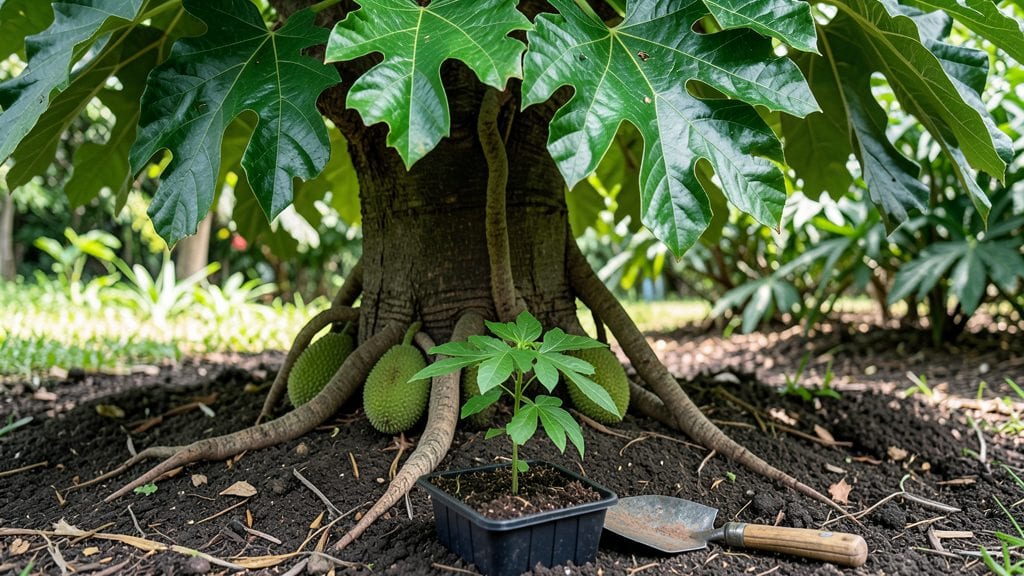
Planting a jackfruit tree in your backyard could mean harvesting the world's largest fruit in just a few years—if you nail the first steps. 🌱 I’ve watched these trees transform from tiny seedlings into towering giants bearing massive, sweet-smelling fruit, and the secret starts with the right soil, spot, and timing.
Most people rush the prep work, only to struggle with slow growth or poor yields later on.
The key is mimicking their natural tropical habitat: well-draining soil rich in organic matter, full sun exposure, and protection from harsh winds.
You’ll need a hole twice as wide as the root ball, a mix of compost and native soil, and patience—jackfruit trees grow fast but need consistent moisture during their first year. The right location makes all the difference between a thriving tree and one that fights to survive.
By following these three simple steps—preparing the soil, planting at the right depth, and setting up a watering schedule—you’ll give your tree the strong start it needs.
Within months, you’ll see new leaves unfurling, and in just a few years, you could be harvesting fruit that weighs up to 100 pounds. The smell alone is worth the effort.
Whether you’re starting from seed or a grafted sapling, these basics apply. The biggest mistake beginners make is overwatering or planting too deep—both can strangle the roots. Let’s get your jackfruit tree off to the right start so you can enjoy the rewards for years to come.
📚 In This Guide
- What you need
- Instructions
- Tips and common mistakes
- Wrapping up and next steps
What you need
- ● Jackfruit Seed or Sapling: 1 ripe jackfruit (for seed extraction) or
- ● 1 healthy 1-2 year-old sapling (nursery-bought or grafted)
- ● Soil: Well-draining, slightly acidic soil (pH 6.0–7.5)
- ● Compost or organic matter (1–2 bags, 50 lbs each)
- ● Planting Tools: 1 shovel or trowel
- ● 1 garden fork (for loosening soil)
- ● 1 watering can or hose (with gentle spray nozzle)
- ● Fertilizer: Balanced fertilizer (10-10-10 or 20-20-20, 5–10 lbs)
- ○ Slow-release organic fertilizer (optional, 2–3 lbs)
- ● Mulch: Wood chips or straw (1–2 cubic yards)
- ● Pruning shears (for shaping young trees)
- ● Tree support stakes (2–4, 6–8 ft tall)
- ● Drip irrigation system (for consistent moisture)
- ● Pest control (neem oil or copper fungicide, as needed)
- ● Sunlight meter (to check light exposure)
Step-by-Step instructions for planting a jackfruit tree
Here’s the straightforward approach I’ve used to establish healthy jackfruit trees—no complicated steps, just reliable results.
🌱 Step 1: Select and Prepare the Planting Site
Jackfruit thrives in warm, humid climates with well-draining soil and full sun exposure—at least 6-8 hours daily. Choose a spot sheltered from strong winds, as young trees are delicate. The ideal soil mix is slightly acidic to neutral (pH 6.0-7.0), rich in organic matter, and free of standing water.
If your soil is heavy clay, amend it with 3-4 inches of compost or sand to improve drainage. Dig a hole twice as wide as the root ball but only as deep—planting too deep suffocates roots. Loosen the sides of the hole with a shovel to encourage root spread. I always water the hole 24 hours before planting to settle the soil and prevent shock.
🪴 Step 2: Plant the Sapling with Care
Remove the sapling from its container and gently loosen the roots if they’re circling. Place it in the hole so the top of the root ball sits level with the surrounding soil—never bury the trunk. Backfill with the native soil, pressing lightly to remove air pockets but avoiding compaction. A 2-inch layer of mulch (like wood chips) around the base helps retain moisture and regulate temperature.
Water deeply right after planting to encourage roots to spread into the surrounding soil. You’ll know it’s enough when water drains 2-3 inches below the surface. Avoid overwatering—soggy soil leads to root rot. I stake young trees (if needed) with two supports tied loosely to the trunk to prevent wind damage without restricting growth.
☀️ Step 3: Maintain Through the First Year
Keep the soil consistently moist but never soggy during the first 6 months—water 2-3 times per week unless rain provides adequate moisture. Jackfruit trees are drought-tolerant once established, but young roots need steady hydration. You’ll see new leaves emerge within 4-6 weeks if conditions are right.
Fertilize lightly with a balanced, slow-release fertilizer (like 10-10-10) 3 months after planting, then again 6 months later. Avoid heavy nitrogen—it promotes leafy growth at the expense of fruit. Prune only to remove dead or crossing branches in the first year; let the tree focus on root and trunk development. Watch for yellowing leaves—this usually means overwatering or poor drainage.
Tips & tricks for planting a jackfruit tree
A few simple strategies will set your jackfruit tree up for success from day one—here's what I've learned after watching multiple saplings thrive.
Soil Preparation is Everything: Don't skip the 24-hour watering of the planting hole before you put your sapling in. This crucial step prevents soil compaction around the roots when you plant. I've seen too many trees struggle because the hole wasn't properly settled—roots need that initial moisture to start spreading immediately. For heavy clay soil, mix in those 3-4 inches of compost or sand right in the hole before planting, not just around it.
Root Ball Position Matters: When placing your sapling in Step 2, use a level to ensure the top of the root ball sits exactly at ground level. I can't tell you how many times I've seen people plant too deep—remember, burying the trunk suffocates the tree. The key visual cue is that the root flare (where roots meet trunk) should be just above soil level. This small detail makes a huge difference in long-term health.
Watering Wisdom: That first deep watering after planting needs to penetrate 2-3 inches below the surface—this encourages roots to grow downward immediately. I use a long screwdriver to check depth after watering. For the first 6 months, water consistently but never let it pool. The 2-3 times per week guideline works best in most tropical climates, but adjust if you're in a particularly dry or rainy season.
Optional Support System: If your young tree needs staking, use two supports tied loosely to the trunk with soft material like old t-shirts. Tight ties can girdle the trunk as it grows. I've seen trees with permanent damage from wire ties that cut into the bark. Remove stakes after 6 months when the tree establishes its own stability.
Pro Tips for Planting Jackfruit Tree
- A few simple strategies will set your jackfruit tree up for success from day one—here's what I've learned after watching multiple saplings thrive.
- Soil Preparation is Everything: Don't skip the 24-hour watering of the planting hole before you put your sapling in.
- Root Ball Position Matters: When placing your sapling in Step 2, use a level to ensure the top of the root ball sits exactly at ground level.
Frequently asked questions
Got questions about planting your own jackfruit tree? Here are answers to the most common ones—so you can grow this tropical superstar with confidence!
How long does it take for a jackfruit tree to bear fruit?
A jackfruit tree typically takes 3 to 5 years to produce fruit after planting, depending on climate and care. In warmer regions (like Florida or Hawaii), you might see fruit sooner—sometimes as early as 2 years. Patience is key, but proper pruning and fertilization speed up the process!
Can I plant a jackfruit tree in a cold climate?
Jackfruit trees (Artocarpus heterophyllus) thrive in USDA Zones 10-12 and can’t tolerate frost. If you live in a colder area, grow it in a large container and move it indoors during winter. Alternatively, try Artocarpus altilis (breadfruit), which is slightly more cold-hardy but still needs protection below Zone 10.
What’s the best time of year to plant a jackfruit tree?
The ideal time is during the warm, rainy season (spring or early summer in tropical climates). This gives roots time to establish before cooler months. Avoid planting in winter or drought—young trees struggle with temperature swings or dry soil. If buying a nursery-grown tree, check local frost dates for guidance!
Why is my jackfruit tree’s leaves turning yellow?
Yellow leaves usually signal overwatering, nutrient deficiency, or root rot. Check soil moisture—jackfruit trees prefer well-draining soil. If the problem persists, test for magnesium (Epsom salt spray) or nitrogen (balanced fertilizer). Brown edges + yellow? It might be salt buildup—flush the soil with fresh water.
Can I grow jackfruit from seed, or should I buy a grafted tree?
While you can grow from seed, it may take 10+ years to fruit—and the tree might not match the parent’s quality. For faster, reliable results, buy a grafted nursery tree. Seeds are great for experimentation, but grafted trees are the gold standard for home growers!
Wrapping up and next steps
Planting a jackfruit tree is a rewarding journey that brings tropical flavors and lush greenery right to your doorstep! 🌱 With the right soil, location, and care, you’ll soon enjoy its delicious fruit and stunning foliage. Now that you’re armed with the knowledge, why wait? Grab your gloves, pick a sunny spot, and start digging—your future jackfruit harvest is just a seedling away!
🌟 Next Steps:
- Mark your calendar for seasonal planting times in your region.
- Check local climate guidelines to ensure ideal growing conditions.
- Share your progress—tag us in your jackfruit-growing adventures!