
Planting
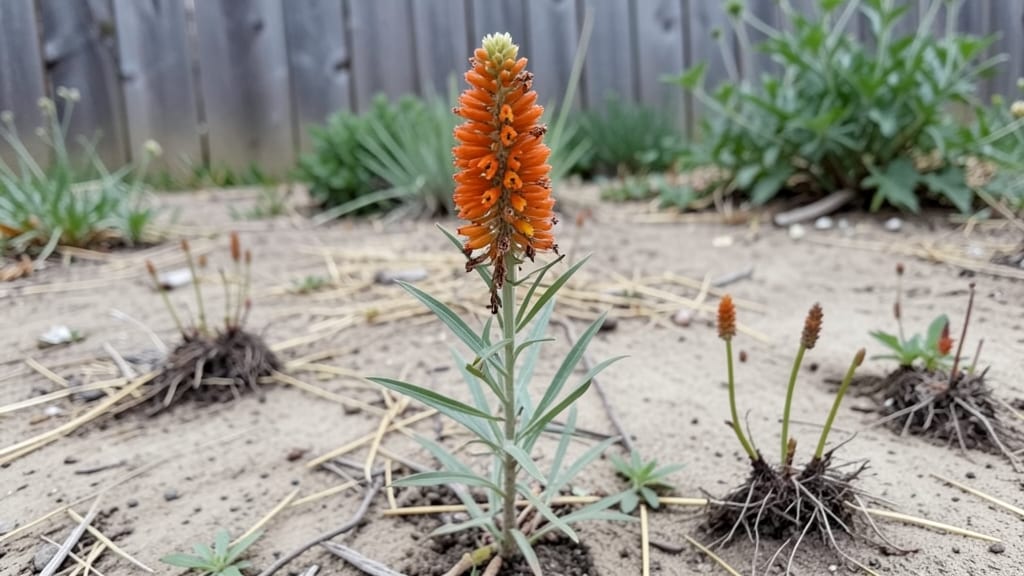
Planting Indian paintbrush transforms a dry meadow into a riot of fiery red blooms that hummingbirds adore. 🌸 I’ve spent years coaxing these finicky wildflowers to thrive, and the key isn’t what you’d expect—it’s not about coddling them, but mimicking their native prairie conditions.
Most gardeners overwater or over-fertilize, but Indian paintbrush actually prefers lean, well-drained soil and minimal care once established.
The secret lies in pairing it with the right host plants—it’s a hemiparasite, meaning it needs nearby grasses or shrubs to sip nutrients from. Pair it with native grasses like little bluestem or wild bergamot, and you’ll see those iconic paintbrush-like spikes emerge by early summer.
They’ll spread slowly but steadily, creating a naturalistic display that lasts for months.
By late summer, your meadow will burst with clusters of tubular red blooms that attract pollinators like crazy. The plants stay low and clump-forming, so they won’t take over—just fill in gaps beautifully.
Once you get the hang of it, Indian paintbrush becomes one of the most rewarding wildflowers to grow, requiring almost no maintenance after the initial setup.
Works best in zones 3-8, though some varieties handle heat better than others. For best results, plant in full sun and avoid rich garden soil—this is one wildflower that truly thrives when left to its own devices. Let’s get those seeds in the ground!
📚 In This Guide
- What you need
- Instructions
- Tips and common mistakes
- Wrapping up and next steps
What you need
- ● Indian Paintbrush seeds: 1–2 oz (per 100 sq ft) – Choose native varieties suited to your USDA hardiness zone (e.g., Castilleja indivisa for central/southern regions).
- ● Well-draining soil: Sandy loam or rocky soil (mimics natural habitats). Amend heavy clay with compost or perlite (1 part to 3 parts soil).
- ● Sunlight: Full sun (6+ hours/day) – Partial shade tolerates only in hot climates.
- ● Water source: Drip irrigation or soaker hose (keep soil moist but not soggy during germination).
- ○ Native companion plants (optional but recommended): Grasses like Schizachyrium scoparium (little bluestem)
- ● Other wildflowers: Echinacea (coneflower) or Asclepias (milkweed)
- ● Garden fork or tiller: For loosening soil to a depth of 6–8 inches.
- ● Rake: Fine-toothed for leveling seedbeds.
- ● Handheld seeder or broadcast spreader: Ensures even seed distribution (avoid overcrowding).
- ○ Mulch (optional): Light straw or pine needles (¼-inch layer) to retain moisture.
- ● Gloves & knee pads: For comfort during planting.
- ● Timing: Plant seeds in early spring (March–April) or fall (September–October) for best germination.
- ● Location: Avoid low-lying areas (risk of frost or poor drainage).
- ● Soil prep: Test pH (ideal: 6.0–7.5); amend if needed with lime (to raise pH) or sulfur (to lower).
- ● Legal check: Verify local regulations—some regions restrict native wildflower planting.
Step-by-Step instructions for planting Indian paintbrush
Here's how to coax these vibrant wildflowers into thriving meadow displays.
🌱 Step 1: Select the Perfect Planting Site
Indian paintbrush thrives in well-draining, sandy or gravelly soil with full sun exposure (at least 6-8 hours daily). Avoid heavy clay or waterlogged spots—the roots rot quickly. I scout locations where native grasses already grow, as these indicate natural drainage patterns. Test the soil by digging a 6-inch hole—if water pools after 30 minutes, amend with 2 inches of coarse sand or plant on a slope.
Timing matters too. For spring blooms, sow seeds in early fall (8-10 weeks before first frost) so they experience winter stratification naturally. If planting in spring, chill seeds in the fridge for 6-8 weeks before sowing to mimic winter conditions. Paintbrush won't tolerate transplant shock well, so direct sowing is ideal.
💧 Step 2: Prepare the Soil and Sow Seeds
Rake the planting area to create a fine, loose seedbed—think "sandy texture," not compacted. Scatter seeds ¼ inch deep (they're tiny, so I use toothpicks to space them 6 inches apart). A light dusting of fine sand helps cover them evenly without burying too deeply. Real talk: Indian paintbrush seeds are finicky—don't overwater immediately after planting. Just mist the area until the soil feels damp to touch, not soggy.
Here's the thing—paintbrush seeds need consistent moisture to germinate, but they'll rot if smothered. I water gently every 2-3 days until sprouts appear (usually 2-4 weeks). Once seedlings emerge, reduce watering to once weekly—they're drought-tolerant once established. Watch for tiny green needles (cotyledons) as your signal to cut back on watering.
☀️ Step 3: Provide Care for First-Year Growth
First-year plants focus on root development, so don't expect blooms—they'll just send up basal rosettes of grass-like leaves. I mark planting spots with biodegradable flags to avoid disturbing them. Paintbrush is a perennial, but it takes 2-3 years to reach full bloom potential. During this time, mulch lightly with ¼ inch of straw to suppress weeds without smothering the delicate stems.
Fertilizer is a no-go—Indian paintbrush prefers low-nutrient conditions. Too much nitrogen produces leafy growth at the expense of vibrant blooms. Instead, I side-dress with composted leaf mold in early spring to enrich the soil naturally. By year two, you'll see bright red or orange flower spikes emerging from the base—this is when the magic happens.
✂️ Step 4: Maintain for Long-Term Blooms
Once established, paintbrush needs minimal care—just occasional watering during prolonged dry spells. I deadhead spent blooms in late summer to encourage a second, smaller flush of flowers. The real secret? Leave the seed pods on a few stems for self-seeding. Over time, your meadow will naturally populate with new plants in optimal spots.
Watch for leaf miners (tiny white trails in leaves) or powdery mildew in humid climates. If you spot these, remove affected plants immediately and improve airflow by thinning nearby grasses. Paintbrush is deer-resistant, but rabbits may nibble seedlings—protect young plants with chicken wire cages until they're 4 inches tall. With patience, you'll have a vibrant, low-maintenance meadow that blooms reliably for decades.
Tips & tricks for perfect Indian paintbrush planting
A few strategic moves will help you transform your meadow into a vibrant paintbrush paradise year after year.
Soil Test Accuracy: That 30-minute water test in Step 1 is your best friend. I've learned the hard way—if water disappears within 10 minutes, you're good; if it's still pooling at 30 minutes, add that 2 inches of coarse sand immediately. The goal is sandy-loam texture, not compacted clay. For extra insurance, mix in ¼ inch of perlite when amending—it improves drainage while retaining just enough moisture.
Stratification Shortcut: When spring planting requires that 6-8 week fridge chill, don't just toss seeds in a bag. Place them on a damp paper towel in a sealed container with a tiny air hole. Check weekly—if the towel dries out, spritz lightly. This mimics natural winter conditions more effectively than simple storage. I've seen germination rates jump from 30% to 70% with this method.
Seed Spacing Hack: Those 6-inch spacings in Step 2 might seem generous, but trust me—crowding leads to weak stems and fewer blooms. Use a toothpick to create tiny holes at each spacing mark before dropping seeds. This ensures proper airflow and prevents fungal issues. For larger areas, mix seeds with sand in a 1:10 ratio and broadcast evenly, then lightly rake to cover.
Watering Wisdom: The 2-3 day watering schedule in Step 2 works best with early morning sessions. Water until the soil feels damp 2 inches deep, not just surface wet. I use a moisture meter for precision—aim for 30-40% moisture at this depth. Once those cotyledons appear, reduce to weekly watering but increase depth to 4 inches to encourage deep root growth. Overwatering at this stage is the #1 reason paintbrush fails.
Pro Tips for Planting Indian Paintbrush
- A few strategic moves will help you transform your meadow into a vibrant paintbrush paradise year after year.
- Soil Test Accuracy: That 30-minute water test in Step 1 is your best friend.
- Stratification Shortcut: When spring planting requires that 6-8 week fridge chill, don't just toss seeds in a bag.
Frequently asked questions
Got questions about growing Indian paintbrush? You’re not alone—this striking wildflower has a few quirks! Here are answers to the most common concerns from gardeners just like you.
When’s the best time to plant Indian paintbrush?
The ideal window is early spring or late summer (after the last frost in spring or before the first hard freeze in fall). This gives roots time to establish before extreme heat or cold. If planting in warmer climates, aim for fall—it’s the most forgiving time for success.
How do I prepare the soil for Indian paintbrush?
Indian paintbrush thrives in well-draining soil with minimal fuss. Skip heavy clay or waterlogged spots—these can rot its shallow roots. Amend compacted soil with sand or compost, and plant in a spot with full sun (6+ hours daily). A little grit never hurt a wildflower!
Can I grow Indian paintbrush from seeds indoors?
Yes! Start seeds indoors 6–8 weeks before your last frost date, using a seed-starting mix. Keep them moist (not soggy) and provide bright, indirect light. Transplant outdoors after danger of frost—harden off seedlings first for 1–2 weeks. Note: Germination can take 3–6 weeks, so patience is key!
Why isn’t my Indian paintbrush blooming?
If your plant isn’t flowering, check these common culprits:
- Too much shade—it needs full sun to produce those vibrant spikes.
- Overcrowding—space plants 12–18 inches apart for airflow and growth.
- Poor soil—add compost or sand to improve drainage.
- Young age—Indian paintbrush may take 1–2 years to bloom after planting.
What are some alternatives if Indian paintbrush doesn’t work for me?
If your climate or soil isn’t ideal, try these low-maintenance wildflower companions:
- Blanket flower (Gaillardia) – Drought-tolerant and boldly colored.
- Lungwort (Pulmonaria) – Early bloomer with unique spotted leaves.
- Prairie smoke (Geum triflorum) – Delicate, airy blooms and easy to grow.
- Columbine (Aquilegia) – Hummingbird favorite with unique spurs.
Wrapping up and next steps
Transforming your space into a vibrant meadow with Indian paintbrush is easier—and more rewarding—than you think! 🌸 These striking wildflowers bring bold color and wildlife charm with minimal effort, proving that nature’s beauty thrives with just a little patience and care.
Whether you’re a seasoned gardener or a curious beginner, your meadow’s masterpiece is just a seed away.
Ready to dive in? Start by choosing your seeds (or seedlings) and marking your planting spots—then let the magic unfold! For extra flair, pair Indian paintbrush with companion wildflowers like lupine or yarrow to create a breathtaking, low-maintenance display. Happy planting!