Flowers
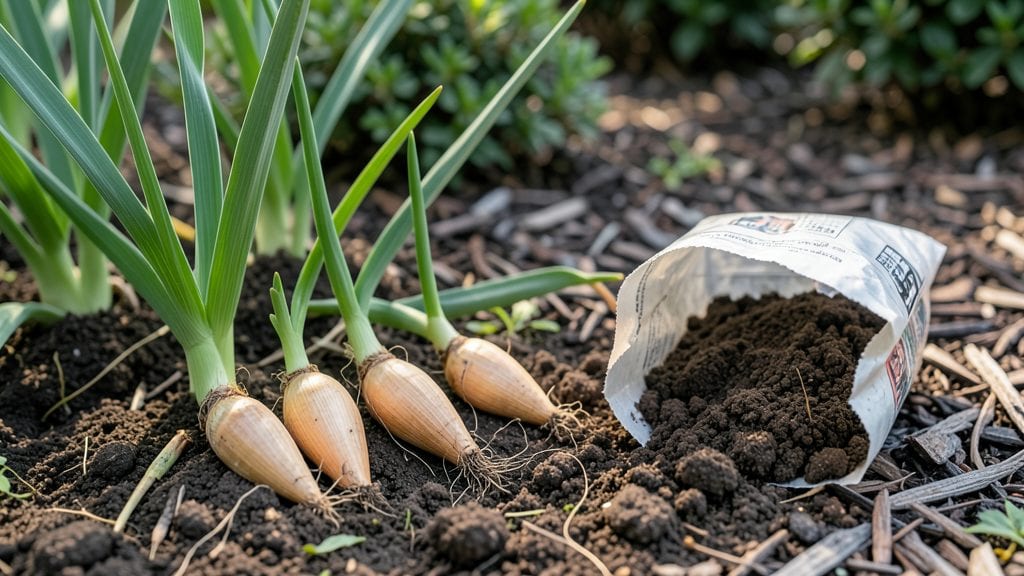
Planting gladiolus corms delivers stunning vertical drama in just 60 days—tall spikes of color that turn any garden into a showstopper. 🌻 I’ve watched these bold blooms transform bare stems into a summer spectacle, and the secret starts with the right timing, soil, and spacing.
Most gardeners rush the process, but gladiolus thrive when you treat them like the divas they are: give them sun, room to stretch, and consistent moisture.
You’ll need healthy corms (no soft spots or mold), loose, well-draining soil mixed with compost, and a sunny spot that gets at least 6 hours of direct light daily. Planting depth matters—too shallow and they flop; too deep and they rot.
Aim for 4-6 inches deep, with corms spaced 6 inches apart in rows 18 inches apart for easy maintenance.
The best time to plant depends on your zone: in warm climates, start in early spring; in cooler areas, wait until after the last frost when soil warms to 60°F.
After planting, water deeply to settle the soil, then keep it consistently moist but never soggy. In 6-8 weeks, you’ll see those first sword-like leaves emerge—this is when the magic begins.
Stake taller varieties early to prevent flopping, and fertilize lightly with balanced 10-10-10 every 4-6 weeks for extra vigor. By mid-summer, you’ll have 3-5 foot spikes bursting with blooms that last 2-3 weeks per stem.
Here’s the kicker: gladiolus multiply underground, so save your largest, healthiest corms after the first frost for next year’s even bigger display. Whether you’re a beginner or a seasoned grower, these plants deliver foolproof drama with minimal fuss—just don’t skimp on the sun or spacing.
Ready to grow a garden that turns heads?
📚 In This Guide
- What you need
- Instructions
- Tips and common mistakes
- Wrapping up and next steps
What you need
- ● Gladiolus corms: 10–20 corms per plant (choose healthy, firm ones, 1–2 inches in diameter).
- ● Garden soil: Well-draining, fertile soil (amend with compost if needed).
- ● Sunlight: Full sun (6+ hours daily).
- ● Watering can or hose: For gentle hydration (avoid soggy soil!).
- ● Planting depth marker: A stick or ruler (to ensure corms are 4–6 inches deep).
- ● Fertilizer: Balanced (10-10-10) or phosphorus-rich (for root growth).
- ○ Mulch (optional but recommended): Straw or shredded leaves to retain moisture.
- ● Plant labels: To track varieties (gladiolus come in dozens of colors!).
- ● Stakes or cages: For tall varieties (prevents flopping in wind/rain).
- ● Fungicide (pre-planting): To prevent rot in damp climates.
- ● Garden gloves: For clean, comfortable handling.
Step-by-step instructions for planting gladiolus corms
Here’s how to coax those dramatic, sword-like blooms from corms—timing and soil prep make all the difference.
🌱 Step 1: Choose the Right Planting Site and Prepare the Soil
Gladiolus crave full sun—at least 6 hours daily—and well-draining soil. I always pick a spot with afternoon shade if your summers run hotter than 85°F. Before planting, loosen the soil to a depth of 12 inches using a garden fork or tiller. This breaks up compaction so roots can spread freely.
Amend the soil with 2-3 inches of compost mixed into the top 6 inches. Gladiolus roots are shallow but need rich organic matter to fuel their rapid growth. Test the soil pH—aim for 6.0-6.8. If yours runs acidic, sprinkle pelletized lime into the hole before planting. Avoid fresh manure; it can burn corms.
🪴 Step 2: Plant Corms at the Correct Depth and Spacing
Plant corms 4-6 weeks before your last frost date—they need time to establish roots before warm weather. Dig holes 4-6 inches deep, spacing them 5-6 inches apart in rows 12-18 inches apart. The rule of thumb: plant corms three times as deep as they’re wide. A 3-inch-wide corm goes 9 inches deep. This ensures stability and prevents them from floating to the surface during heavy rains.
Place one corm per hole, pointy end up. If planting multiple varieties, keep colors separated by at least 18 inches—gladiolus stems grow tall, and crowding leads to weak, floppy blooms. Gently backfill with soil, then water lightly to settle everything in place. Overwatering now can rot corms before roots form.
☀️ Step 3: Water and Fertilize for Strong Early Growth
Keep the soil evenly moist but not soggy for the first 4-6 weeks. You’ll know it’s right when the top 1-2 inches of soil feel cool to touch—like a damp sponge, not a puddle. Once shoots emerge (2-3 inches tall), switch to deep watering once a week, soaking the soil to 12 inches deep. Gladiolus are drought-tolerant once established, but young roots need consistent moisture.
Apply a balanced, slow-release fertilizer (10-10-10) at planting, then again when shoots reach 6 inches tall. I like to top-dress with bone meal for extra phosphorus—this boosts root and flower development. Avoid high-nitrogen fertilizers; they produce lush foliage but few blooms. Watch for yellowing leaves—a sign of over-fertilizing.
✂️ Step 4: Stake and Support Stems as They Grow
When stems hit 12-18 inches tall, drive 5-foot stakes into the ground 3-4 inches from each plant. Use soft garden twine (not wire) to loosely tie stems to the stakes as they grow. Gladiolus can reach 5 feet, and without support, they’ll flop over in wind or rain. I like to tie stems at 3 points: near the base, mid-stem, and just below the flower bud.
Remove any side shoots that form in the leaf axils—they drain energy from the main stem. Pinch off spent blooms as soon as they fade to encourage continuous flowering for 6-8 weeks. Deadheading also prevents seed pods from forming, which weakens the corm for next season. If your climate stays warm past first frost, the corms will keep producing flowers.
⏰ Step 5: Harvest and Store Corms for Next Season
After first frost blackens the foliage, cut stems back to 2 inches above the corm. Dig up corms carefully with a fork—wait 2-3 weeks after frost to ensure they’ve fully matured. Shake off excess soil, then cure them in a dry, shady spot for 1-2 weeks. This hardens the skin and prevents rot during storage.
Store corms in a paper bag or mesh sack (never plastic) in a cool, dark place (40-50°F). Check monthly for soft spots or mold—discard any that feel mushy. Healthy corms will produce 2-3 new cormlets next season, giving you free plants to expand your display. I label each variety with a toothpick and masking tape to avoid mixing them up.
Tips & tricks for perfect gladiolus planting
Timing and technique really make the difference when planting gladiolus corms. Here are the secrets I've learned after years of growing these showstopping blooms.
Soil Temperature Matters: Gladiolus corms need soil temperatures above 50°F to sprout properly. If you're planting in early spring and your soil is still cool, consider using a black plastic mulch to warm it up faster. I've seen corms rot when planted too early in cold soil—wait until the ground temperature consistently stays above 50°F before planting. This ensures the corms won't sit in cold, damp conditions waiting to grow.
Planting Depth Visual: The rule of thumb—planting corms three times as deep as they're wide—can be tricky to visualize. For a 3-inch-wide corm, that means 9 inches deep. I like to use a simple trick: hold the corm next to a ruler or measuring stick when you're digging the hole. This ensures you're hitting that perfect depth every time. Too shallow and they'll float up during rain, too deep and they'll struggle to emerge.
Fertilizer Timing: The first fertilizer application at planting sets the foundation, but timing the second application when shoots reach 6 inches tall is crucial. This is when the plant is actively developing its flower stalk and needs that phosphorus boost from bone meal. I've noticed that skipping this second feeding often results in shorter stems and fewer blooms. The yellowing leaves warning sign is your body telling you to adjust your fertilizer approach—too much nitrogen means more leaves, fewer flowers.
Staking Strategy: When your gladiolus reach 12-18 inches, don't wait until they're toppling over to stake them. I install 5-foot stakes right away and loosely tie the stems at three points. This prevents wind damage and creates that dramatic, vertical display we all love. The key is using soft garden twine—it's gentle on the stems and won't cut into them as they grow. I've seen gladiolus bend permanently when staked too tightly, so always keep the ties loose enough to allow for growth.
Pro Tips for Planting Gladiolus Corms
- Timing and technique really make the difference when planting gladiolus corms.
- Soil Temperature Matters: Gladiolus corms need soil temperatures above 50°F to sprout properly.
- Planting Depth Visual: The rule of thumb—planting corms three times as deep as they're wide—can be tricky to visualize.
Frequently asked questions
Got questions about planting gladiolus corms?
You’re not alone! Here are answers to the most common concerns—so you can grow bold blooms with confidence.
When is the best time to plant gladiolus corms?
Plant gladiolus corms after the last frost when soil temps reach 60°F (15°C)—typically 2–4 weeks before your first summer heatwave. In warm climates (zones 8–10), plant in fall for spring blooms. Avoid soggy soil; they rot easily!
Can I plant gladiolus corms in containers or just the ground?
Gladiolus thrive in containers (use pots 12+ inches deep) with well-draining soil. Just ensure the pot has drainage holes and place it in full sun. Containers let you move them to avoid frost or pests—ideal for small spaces or renters.
Why aren’t my gladiolus corms blooming?
No blooms? Check these fixes:
- Not enough sun: Gladiolus need 6+ hours of direct sunlight daily.
- Overcrowding: Space corms 6 inches apart (deeper = fewer flowers).
- Poor soil: Amend with compost and use a balanced fertilizer (like 10-10-10) at planting.
- Old corms: Replace corms older than 1–2 years for better blooms.
Do gladiolus corms survive winter in cold climates?
Nope! Gladiolus are tender perennials—dig up corms before the first frost, trim foliage, and store them in a cool (40–50°F/4–10°C), dry place (like a garage) until spring. Replant after frost danger passes.
Can I plant gladiolus corms in partial shade?
They’ll survive in partial shade but won’t thrive. For best results, give them full sun. If shade is unavoidable, choose lighter-colored varieties (they handle shade slightly better) and expect shorter stems and fewer blooms.
How often should I fertilize gladiolus?
Feed gladiolus every 3–4 weeks during the growing season with a low-nitrogen, high-phosphorus fertilizer (like 5-10-10). Stop fertilizing 6–8 weeks before first frost to encourage corm development. Over-fertilizing = floppy stems!
Wrapping up and next steps
Planting gladiolus corms is your ticket to stunning, drama-filled blooms in just two months! With the right timing, soil prep, and care, you’ll enjoy vibrant stems and seasonal color that brightens any garden. Don’t wait—grab those corms, dig in, and watch your efforts transform into a breathtaking display. 🌸
Next steps:
- Mark your calendar for spring planting (or adjust for your climate!)
- Gather supplies and prep your garden bed
- Share your progress—we’d love to see your glads thrive! 📸