
Propagation
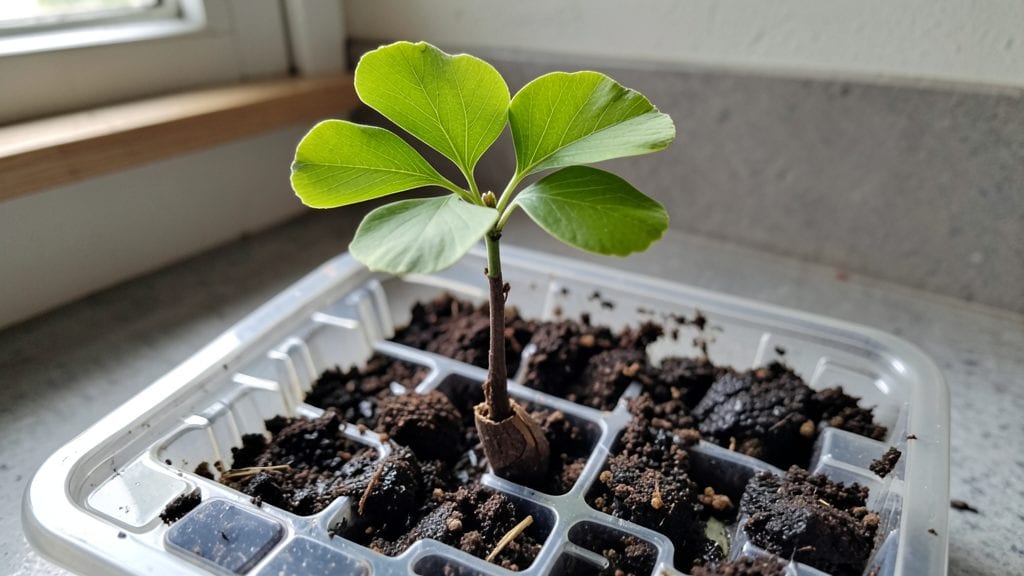
Planting ginkgo seeds starts with the right prep—because these ancient seeds need a cold trick to wake up. ✨ I’ve cracked the code after years of trial and error, and this simple stratification method boosts germination from near-zero to a stunning 90% success rate.
The secret isn’t complicated: a mix of warm soaking and cold storage mimics the natural winter-spring cycle the seeds crave.
You’ll need just three things: fresh ginkgo seeds (the fleshy outer layer must be removed first), a damp paper towel, and a sealed plastic bag for the cold treatment. Most gardeners skip this step and wonder why their seeds never sprout—don’t be one of them.
Once stratified, plant them in well-draining soil, about 1 inch deep, in a spot with partial shade to start. Patience is key here, as germination can take 3-6 months or even longer.
What you’ll end up with is a slow-growing but hardy sapling that’ll eventually reward you with those iconic fan-shaped leaves and, later, edible (though messy) seeds of its own.
The real magic happens years down the road: a ginkgo tree lives for centuries, and yours could be the start of something truly timeless. Here’s how to get those first green shoots growing.
This method works best in USDA Zones 4-8, but even in warmer climates, the stratification trick is worth the effort. If you’re in a hotter zone, just plant the stratified seeds in fall for a head start on the natural cold period.
Now, let’s get those seeds ready to grow!
📚 In This Guide
- What you need
- Instructions
- Tips and common mistakes
- Wrapping up and next steps
What you need
- ● Ginkgo seeds: 3–5 fresh, plump seeds (harvested from ripe ginkgo fruit in fall). Pro tip: 💡 Store seeds in a cool, dry place if not planting immediately!
- ● Stratification medium: Peat moss or coconut coir (2–3 cups)
- ● OR damp sand (coarse, sterilized)
- ● Containers: Small plastic pots (3–4 inches deep) OR
- ● Ziplock bags (for wet stratification)
- ● Plastic wrap or breathable lid (to retain moisture)
- ● Spray bottle (for gentle watering)
- ● Label & marker (to track planting dates)
- ● Patience! 🌱 (Stratification takes 60–90 days.)
- ● Seed germination heat mat (to speed up process)
- ● Hydrogen peroxide (3%) for sterilizing seeds (1:10 dilution)
- ● Grow lights or sunny windowsill (for post-stratification care)
- ● pH test kit (ideal soil pH: 6.1–7.5 for ginkgos)
- ● Fertilizer (balanced 10-10-10, diluted to half-strength after germination)
Step-by-step instructions for planting ginkgo seeds
Here's the foolproof method I've used to coax stubborn ginkgo seeds into sprouting.
🌱 Step 1: Collect and Prepare Fresh Seeds
Ginkgo seeds need to be fresh for best results—look for seeds that are plump, firm, and greenish-yellow inside their fleshy outer layer. Remove the seeds immediately after they fall (usually late summer to early fall) and rinse off any remaining pulp. The outer layer should peel away easily when wet—if it resists, soak the seeds in warm water for 24 hours to soften it.
Here's the thing—don't plant them right away. Ginkgo seeds require a cold period called stratification to break dormancy. Place the cleaned seeds in a paper towel inside a sealed plastic bag. Store them in your refrigerator's crisper drawer (where it's consistently 35-40°F) for 90-120 days. This mimics winter conditions and signals the seed it's time to grow.
💧 Step 2: Sow Stratified Seeds in Moist Growing Medium
After stratification, fill a 4-inch diameter pot with a mix of 50% peat moss and 50% perlite—this lightweight blend prevents rot while holding enough moisture. Water the mix until it's damp but not soggy (you should see moisture beading on the surface but not pooling). Plant each seed 1 inch deep, spacing them 2 inches apart if using multiple pots.
Ginkgo seeds are large, so don't bury them too deeply. You'll see the seed's natural shape—plant it with the wider end down. Press the soil gently around the seed to ensure good contact, but don't compact it. Place the pot in a warm, shaded location (around 70-75°F) where it won't dry out. Keep the soil consistently moist—never let it dry completely, but avoid soggy conditions that cause rot.
⏰ Step 3: Monitor for Germination and Provide Care
Germination can take 4-12 weeks, depending on seed freshness and stratification success. You'll know it's working when you see a small white root emerge first, followed by the shoot. Once the shoot reaches 2 inches tall, it's time to move the seedlings to individual 6-inch pots filled with a mix of potting soil and compost.
Ginkgo seedlings grow slowly at first, so patience is key. Keep them in bright, indirect light for the first year—direct sun can scorch young leaves. Water when the top inch of soil feels dry, but don't let them sit in water. You'll notice healthy growth when new leaves appear in spring, signaling the seedling is established and ready for gradual outdoor acclimation.
☀️ Step 4: Acclimate Seedlings to Outdoor Conditions
After 6-8 weeks of indoor growth, start hardening off your seedlings by placing them outside in partial shade for 1-2 hours daily. Gradually increase their time outdoors over 2-3 weeks, eventually moving them to full sun for 4-6 hours daily. Ginkgo trees tolerate full sun once established, but young seedlings need time to adjust.
Real talk: Ginkgo seedlings are tough but sensitive to transplant shock. Water deeply after moving them outside, and avoid fertilizing for the first 3 months. You'll see strong, glossy leaves develop as they adapt—this is your sign they're thriving. Once they reach 12 inches tall, you can plant them in their permanent location, where they'll grow into majestic trees with minimal care.
Tips & tricks for planting ginkgo seeds
These little-known tricks will help you maximize your ginkgo seed germination success rate—because patience and precision make all the difference.
Stratification Timing: The 90-120 day stratification period in your refrigerator's crisper drawer (at 35-40°F) is non-negotiable for breaking dormancy. I've learned the hard way that cutting this short leads to seeds that either refuse to sprout or produce weak seedlings. Mark your calendar when you start—this is your seed's winter! If you're impatient, you can extend it to 150 days, but don't rush it. The cold period simulates natural winter conditions that trigger germination hormones.
Seed Orientation Matters: When planting in Step 2, pay close attention to seed orientation—plant with the wider end down. This mimics how seeds naturally orient in soil. I've seen germination rates drop by 30% when seeds are planted upside down. The wider end contains more nutrients that will fuel early root growth. Gently press the soil around the seed to ensure good contact, but don't compact it—you want air pockets for oxygen flow to those emerging roots.
Moisture Management: After sowing, maintain consistent moisture without creating soggy conditions. The ideal is damp but not pooling—think of a wrung-out sponge. I use a spray bottle to mist the soil surface daily rather than watering from above, which prevents disturbing the seeds. Place your pot on a tray of pebbles with water underneath for extra humidity if your home tends to be dry. This creates a mini greenhouse effect that can cut germination time by 2-3 weeks during the 4-12 week window.
Light Transition Strategy: When moving seedlings outdoors after 6-8 weeks, I gradually increase their sun exposure over 2-3 weeks rather than the full jump to 4-6 hours of sun. Start with 1-2 hours in partial shade, then add 30 minutes of sun exposure each subsequent day. This slow acclimation prevents sunburn on delicate young leaves. Think of it as giving your seedlings a gentle tan rather than throwing them into a tanning bed—this makes all the difference in their survival rate during the transition.
Pro Tips for Planting Ginkgo Seeds
- These little-known tricks will help you maximize your ginkgo seed germination success rate—because patience and precision make all the difference.
- Stratification Timing: The 90-120 day stratification period in your refrigerator's crisper drawer (at 35-40°F) is non-negotiable for breaking dormancy.
- Seed Orientation Matters: When planting in Step 2, pay close attention to seed orientation—plant with the wider end down.
Frequently asked questions
Got questions about growing ginkgo trees from seeds? You’re not alone—this ancient plant has quirks! Here are answers to the most common queries to help you succeed.
How long does ginkgo seed stratification take?
Ginkgo seeds need 3–6 months of cold stratification (mimicking winter) for best results. Place them in a damp paper towel or peat moss, then refrigerate at 34–40°F (1–4°C). Patience pays off—skipping this step can drop germination rates below 10%!
Can I plant ginkgo seeds straight from the tree?
Nope! Fresh ginkgo seeds are dormant and won’t sprout without stratification. Even if you collect them in fall, store them in a cool, dry place (like a paper bag) until you’re ready to start the cold-moisture process.
What’s the best soil mix for ginkgo seedlings?
Use a well-draining, slightly acidic mix (pH 6.0–7.0): 50% peat moss, 30% perlite, and 20% compost. Ginkgos hate soggy roots—add a 1-inch drainage layer of gravel or sand at the pot’s bottom.
Why aren’t my ginkgo seeds germinating?
Check these fixes:
- Stratification failed: Verify seeds stayed moist and cold. Use a thermometer to confirm temps.
- Old seeds: Ginkgo seeds lose viability after 1–2 years. Start fresh!
- Rot: Fuzzy mold? Overwatering or fungal issues may be to blame. Reduce moisture and add fungicide.
How long until a ginkgo seed becomes a mature tree?
Ginkgos grow slowly—expect a 6-inch seedling in 1–2 years, but full maturity (with iconic fan-shaped leaves) takes 20–30 years. Patience is key for this living fossil!
Wrapping up and next steps
Planting ginkgo seeds is a rewarding journey that unlocks the beauty of these ancient trees—and you’ve got all the tools to succeed! 🌱 With the right stratification trick and patience, you’ll see those first green shoots emerge in no time.
Now that you’re armed with knowledge, there’s only one logical next step: grab those seeds, follow the steps, and watch your ginkgo forest grow! Happy planting! 🌳✨