Trees
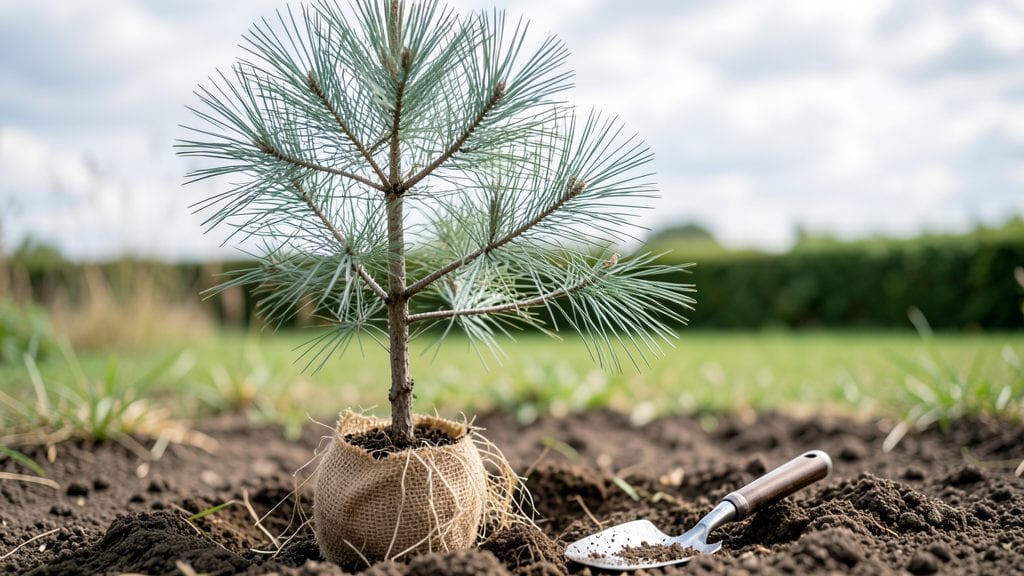
Planting evergreen trees right means your yard stays lush and green year-round. 🌲 I’ve learned the hard way that skipping soil prep leads to stunted growth—even the hardiest saplings struggle without the right foundation.
The key isn’t just digging a hole; it’s building layers that encourage roots to spread deep and wide, where they’ll find moisture and nutrients for decades.
Start with a hole twice as wide as the root ball but only as deep—evergreens hate sitting too low. Mix in compost or aged manure to break up native soil, then place the tree at the same depth it grew in the nursery.
Backfill with a mix of native soil and organic matter, tamping gently to eliminate air pockets. Water thoroughly right after planting to settle everything in place.
What you’ll end up with is a tree that establishes strong roots in its first growing season, resisting drought and wind better than most. By next spring, you’ll see fresh growth at the tips of branches, proving the roots are feeding the canopy.
The secret? That layered soil mix gives roots room to explore without competition from weeds or compaction.
This method works for pine, spruce, fir, and even broadleaf evergreens like magnolias. Just adjust spacing—taller trees need 15–20 feet between them, while shrub-like evergreens can live comfortably 5–10 feet apart. Now let’s get those roots growing deep.
📚 In This Guide
- What you need
- Instructions
- Tips and common mistakes
- Wrapping up and next steps
What you need
- ● Evergreen tree seedlings or saplings: Choose 2–5 plants (depending on spacing needs) with healthy roots and sturdy trunks. Opt for bare-root (dormant season) or container-grown (any season) varieties.
- ● Shovel or spade: A 12–18-inch digging tool for planting holes.
- ● Garden fork or trowel: For loosening soil and backfilling.
- ● Measuring tape: To ensure proper spacing (6–15 feet apart, depending on mature tree size).
- ● Compost or organic mulch: 2–3 cubic feet per tree (e.g., aged compost, leaf mold, or well-rotted manure).
- ● Watering can or hose with a gentle spray nozzle: For post-planting hydration.
- ○ Stakes and garden twine (optional but recommended): 2–3 stakes per tree (4–6 feet tall) to support young trees.
- ● Soil test kit: Check pH and nutrient levels (evergreens prefer acidic to neutral soil, pH 5.0–7.0).
- ● Slow-release fertilizer: 10–20 lbs of balanced (10-10-10) or acid-loving plant formula to mix into the hole.
- ● Root stimulator: A mycorrhizal inoculant to boost root growth.
- ● Mulch fabric: To prevent weeds and retain moisture (lay 1–2 feet around the base, keeping it 6 inches away from the trunk).
- ● Tree guards or protective wraps: For young trees in high-traffic or pest-prone areas.
Step-by-Step instructions for planting evergreen trees
Here's how to plant four evergreens with lasting strength—using soil layers to encourage deep roots.
🪴 Step 1: Dig the Planting Hole with Precision
Measure the hole's diameter to be twice as wide as the root ball and 3-4 inches deeper. This extra space lets roots spread without circling the root ball, which stunts growth. Use a shovel to loosen the sides gently—don't compact the soil further.
I always dig a test hole first to check depth. If the bottom sits higher than the surrounding ground, remove soil until the hole sits 1-2 inches below grade. This slight depression helps water pool at the roots. Keep the removed soil nearby for backfilling.
🌱 Step 2: Prepare the Root Ball and Soil Mix
Remove the tree from its container and loosen the root ball's outer edges with your fingers. Evergreens often develop tight roots when pot-bound. If roots are circling, make 2-3 vertical cuts with a sharp knife to encourage outward growth.
Mix the removed soil with 20% compost (if available) to improve drainage and fertility. For clay-heavy soil, add a handful of coarse sand to the mix. This blend prevents compaction and gives roots room to expand. Keep the mix loose—you want it to feel like damp potting soil, not hard garden dirt.
💧 Step 3: Position and Backfill with Soil Layers
Place the tree in the hole so the top of the root ball sits 1-2 inches above grade. This prevents water from pooling at the base and rotting the trunk. Have a helper hold the tree upright while you backfill in 3-inch layers, tamping each layer lightly with your foot.
Water each layer as you go to eliminate air pockets. The soil should settle naturally—don't force it down. Once filled, create a 3-inch-wide watering basin around the base to direct irrigation directly to the roots. This is where deep root growth begins.
☀️ Step 4: Mulch and Water for Long-Term Stability
Spread 2-3 inches of mulch over the basin, keeping it 6 inches away from the trunk to prevent rot. Use pine straw, wood chips, or shredded bark—whatever you have on hand. Mulch conserves moisture and regulates soil temperature, which evergreens appreciate.
Water deeply until the soil 6 inches down feels moist. You'll know it's enough when water runs out of the basin. After planting, water once a week for the first month, adjusting for rain. Evergreens need consistent moisture to establish roots, but soggy soil will suffocate them.
⏰ Step 5: Stake and Monitor for First-Year Growth
Install 2-3 stakes around the tree, tying the trunk loosely with soft fabric strips. This prevents wind from uprooting young trees. Check the ties monthly—they should allow the tree to sway slightly but not move freely. Tighten as the trunk grows.
Watch for new growth in 6-8 weeks. Healthy evergreens will show bright green needles and slight trunk thickening. If needles yellow or brown, you're overwatering—reduce frequency immediately. Prune only to remove broken branches in the first year; let the tree focus on root development.
Tips & tricks for planting evergreen trees
Here's what I've learned after planting dozens of evergreens—these tricks make all the difference for long-term success.
The Hole Depth Secret: That 1-2 inches below grade in Step 1 isn't just about water pooling—it's about creating a microclimate where roots can breathe. I've seen trees rot when planted too deep because water sits against the trunk. Test depth with a level or by comparing to surrounding soil.
Root Ball Rescue: When you see circling roots in Step 2, don't just cut them—score the root ball in a cross pattern. This encourages outward growth instead of the tight spiral that strangles roots. Use a sharp knife and make clean cuts, not jagged tears. Between us, I've ruined three trees by skipping this step!
Soil Mix Strategy: The 20% compost recommendation works wonders, but here's the thing: if your soil is sandy, reduce compost to 10% and add more sand. Clay soil? Increase compost to 30%. The goal is that damp potting soil texture—never let it feel like packed dirt. Your roots will thank you for it.
Watering Wisdom: That 6-inch moisture check in Step 4 is critical, but don't rely on your finger alone. Use a screwdriver to probe deeper—you'll often find dry pockets. Water until it runs out of the basin, then wait 30 minutes before adding more. Overwatering is the #1 killer of young evergreens, and I've seen it happen too many times.
Pro Tips for Planting Evergreen Trees
- Here's what I've learned after planting dozens of evergreens—these tricks make all the difference for long-term success.
- The Hole Depth Secret: That 1-2 inches below grade in Step 1 isn't just about water pooling—it's about creating a microclimate where roots can breathe.
- Root Ball Rescue: When you see circling roots in Step 2, don't just cut them—score the root ball in a cross pattern.
Frequently asked questions
Got questions about planting evergreen trees? You’re not alone! Here are some of the most common concerns—and straightforward answers—to help you plant with confidence.
What’s the best time of year to plant evergreen trees?
Plant evergreens in early fall or late winter (before spring growth starts). This gives roots time to establish before summer heat or winter cold. Avoid planting in extreme heat or frost—root stress leads to poor growth.
How much water do newly planted evergreens need?
Water deeply 2–3 times per week for the first year, soaking the root zone (12–18 inches down). Evergreens hate soggy soil but also dry spells. Mulch 3–4 inches thick to retain moisture and protect roots.
Can I plant evergreens in containers first for easier transplanting?
Yes! Growing evergreens in 5-gallon containers for 6–12 months before transplanting reduces shock. Use well-draining soil and keep them in partial shade until you’re ready to move them. Just avoid letting roots circle the pot!
Why do my evergreen needles turn brown after planting?
Brown needles often mean transplant shock, over/under-watering, or root damage. Check soil moisture (stick your finger 2 inches down—dry? Water!). If stress persists, trim dead branches and fertilize lightly in spring.
Are there low-maintenance evergreens for beginners?
Try dwarf Alberta spruce, emerald green arborvitae, or inkberry holly. These tolerate poor soil, need minimal pruning, and handle drought better than fussy varieties. Just pick a spot with 6+ hours of sunlight.
Still stumped? Drop your specific challenge in the comments—we’ve got you covered!
Wrapping up and next steps
Planting evergreen trees is a rewarding way to add year-round beauty and value to your landscape—when done right! 🌲 By focusing on layered soil preparation, proper spacing, and seasonal timing, you’ll give your trees the deep, nutrient-rich foundation they need to thrive.
Whether you’re a green-thumb beginner or a seasoned gardener, these soil secrets ensure your evergreens grow strong and healthy for decades.
Ready to take the next step? Pick your favorite evergreen species, gather your tools, and start digging—your future shade (or privacy screen!) is just a few shovels away. Happy planting! 🌱