
Propagation
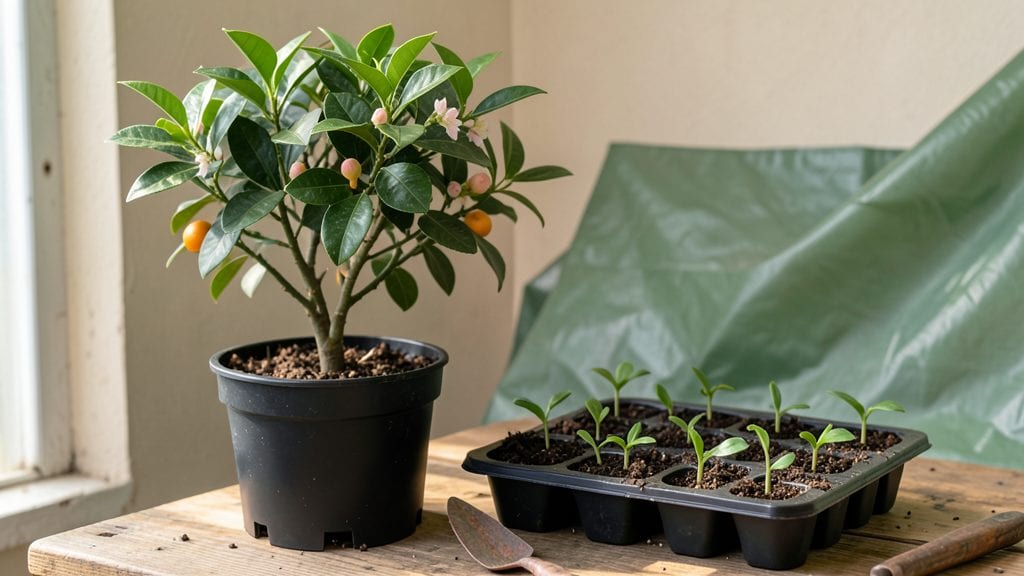
Planting clementine seeds turns kitchen scraps into a sunlit future. 🌱 I’ve watched those tiny seeds sprout into leggy seedlings, and while they won’t bear fruit for years, the journey is pure magic. The key is patience—citrus seeds need warmth, humidity, and just the right soil mix to break dormancy.
You’ll need a shallow tray, well-draining soil, and a heat mat or sunny windowsill. Plant seeds just below the surface, keep them moist but not soggy, and expect germination in 2-4 weeks if conditions are perfect. Most seeds won’t sprout at all, so start with 5-10 for better odds.
The first true leaves signal success, but don’t rush transplanting. Seedlings need bright indirect light and careful watering—overwatering is the fastest way to lose them. With time, you’ll have a citrus tree that thrives indoors or outdoors in warm climates.
Even if fruiting takes years, the process teaches you citrus care basics. Plus, every seedling is a potential heirloom—just don’t expect them to match the parent fruit. Here’s how to set yours up for success.
📚 In This Guide
- What you need
- Instructions
- Tips and common mistakes
- Wrapping up and next steps
What you need
- ● Clementine seeds: 3–5 fresh, plump seeds (harvested from organic, seedless clementines for best results).
- ● Small pots or seed trays: 3–4 inch diameter (biodegradable pots work too!).
- ● Well-draining potting mix: A blend of cactus/succulent mix + perlite/vermiculite (70/30 ratio). Avoid garden soil—it’s too dense!
- ● Spray bottle: For gentle watering (no heavy streams!).
- ● Clear plastic wrap or humidity dome: To create a mini greenhouse effect.
- ○ Heat mat (optional but helpful): 70–80°F range to speed up germination.
- ● Grow lights: LED or fluorescent (12–16 hours/day) if natural light is weak.
- ● Fertilizer: Balanced citrus fertilizer (diluted to half-strength) after 3–4 weeks.
- ● Label markers: To track seed varieties (if experimenting!).
- ● Tweezers: For delicate seed handling.
Step-by-step instructions for planting clementine seeds
Here's how to turn those bright orange scraps into a thriving citrus tree—no green thumb required.
🌱 Step 1: Extract and Prepare the Seeds
Cut a clementine in half and separate the segments carefully. You'll find 4-6 seeds per half—save the largest, plumpest ones for planting. Rinse them under cool water to remove any lingering fruit pulp, then pat dry with a paper towel. The cleaner the seed, the faster it germinates.
Real talk: Don't skip the drying step. Damp seeds left in the fridge for days will rot before they sprout. Place them on a dry paper towel overnight to ensure they're bone-dry before moving to the next step.
💧 Step 2: Stratify Seeds for Faster Germination
Citrus seeds need a cold treatment to break dormancy. Place the dried seeds in a small plastic bag with a damp paper towel—just enough moisture to keep it slightly damp, not soggy. Seal the bag and refrigerate for 3-4 weeks. Check weekly to ensure the towel stays moist but not dripping.
This cold period mimics winter conditions the seed would face in nature. You'll know it's working when the seeds feel slightly softer after the stratification period. Don't rush this—skipping it results in seeds that either rot or take months to sprout.
☀️ Step 3: Plant in Well-Draining Soil Mix
Fill a 4-inch diameter pot with a mix of 50% potting soil and 50% perlite to ensure excellent drainage. Citrus roots hate soggy conditions, so this blend prevents rot. Plant each seed ½ inch deep—deeper planting delays germination because the seedling must push through more soil.
Water gently until moisture reaches the bottom of the pot, then place the pot in a warm spot with bright, indirect light (like an east-facing window). You'll see tiny sprouts in 4-8 weeks, but be patient—some seeds take longer. Keep the soil consistently moist but never waterlogged.
🌿 Step 4: Provide Warmth and Humidity
Citrus seedlings thrive in warmth, so place a seedling heat mat under the pot to maintain soil temperatures between 70-75°F. Without this, germination slows dramatically. Cover the pot with a clear plastic dome or plastic wrap to create a humid microclimate—citrus seeds need high humidity to break through the soil.
Remove the cover daily for 10-15 minutes to prevent mold. You'll know the seedling is ready to remove the cover permanently when it develops its first true leaves (the second set after the initial seed leaves). This usually happens within 2-3 weeks after sprouting.
✂️ Step 5: Transplant and Train for Strong Growth
Once seedlings reach 6 inches tall with 4-5 leaves, transplant them into individual 6-inch pots using the same soil mix. Handle the seedlings gently by their leaves—never grasp the stem, or you'll damage the delicate plant. Water thoroughly after transplanting to settle the soil around the roots.
Place the pots in a sunny spot with 6+ hours of direct sunlight daily. If your home lacks sufficient light, supplement with a grow light kept 4-6 inches above the plants. Rotate the pots weekly so the seedlings grow straight and sturdy. You'll see stronger stems and darker green leaves within a few weeks.
Tips & tricks for perfect clementine seed germination
Here's what I learned after watching dozens of clementine seeds fail—these tricks will help yours thrive.
The Seed Selection Secret: Don't just grab any seeds! Look for the largest, plumpest ones—they're packed with energy for germination. I've found that seeds from the center of the clementine (closest to the peel) tend to be more viable than those near the edges. After selecting, give them a quick soak in cool water for 5 minutes to help remove any hidden sugars that could attract mold.
Stratification Shortcut: The 3-4 week cold treatment in Step 2 is non-negotiable, but you can speed up the process slightly by using a seedling heat mat alongside your fridge. Place the sealed bag on the heat mat for 12 hours a day during the stratification period—this mimics natural temperature fluctuations. Just remember to remove it when checking moisture levels weekly.
Soil Mix Pro Tip: For Step 3, if you don't have perlite, you can substitute with coarse sand or even small gravel (like aquarium gravel) to achieve that same drainage. I've also found that adding a handful of worm castings to your 50/50 soil mix gives seedlings a nutrient boost without overwhelming them. The key is maintaining that airy texture—citrus roots need oxygen almost as much as water.
Lighting Hack: When placing your pots in bright, indirect light during Step 3, position them about 12 inches from an east-facing window. This gives them gentle morning sun without the harsh afternoon rays that can scorch tender seedlings. If using artificial light, keep it on for 14-16 hours a day to simulate summer conditions—citrus trees love long daylight hours.
Pro Tips for Planting Clementine Seeds
- Here's what I learned after watching dozens of clementine seeds fail—these tricks will help yours thrive.
- The Seed Selection Secret: Don't just grab any seeds!
- Stratification Shortcut: The 3-4 week cold treatment in Step 2 is non-negotiable, but you can speed up the process slightly by using a seedling heat mat alongside your fridge.
Frequently asked questions
about planting clementine seeds—because every gardener deserves a little clarity!How long does it take for clementine seeds to germinate?
Germination usually takes 2–4 weeks in warm, moist conditions (around 70–75°F). Patience is key—keep the soil consistently damp and avoid overwatering. If no sprouts appear after 6 weeks, the seeds may need a little more warmth or humidity. Try a seedling heat mat if needed!
When is the best time to plant clementine seeds?
Start indoors 6–8 weeks before your last frost date (spring is ideal). If you’re in a warm climate, you can plant outdoors in early spring after the soil warms up. Avoid planting in fall or winter—clementine seeds need warmth to germinate. Pro tip: Use a grow light if natural sunlight is limited!
Can I plant clementine seeds directly in the ground?
Not recommended! Seeds are tiny and delicate—direct planting often leads to poor germination. Start them in small pots with well-draining soil under grow lights or in a sunny window. Once seedlings are 4–6 inches tall, transplant them outdoors after hardening off (acclimating to outdoor conditions over 1–2 weeks).
Will a clementine tree grown from seed taste like the parent fruit?
Probably not! Seed-grown trees are unpredictable—they may produce small, bitter, or inedible fruit (or none at all). For true-to-type clementines, grafted trees or nursery-bought saplings are better. But hey, the adventure of growing a citrus tree from scratch is half the fun!
Why aren’t my clementine seeds sprouting?
Common culprits:
- Cold soil—seeds need warmth (use a heat mat if needed).
- Dampness issues—overwatering causes rot; underwatering stalls growth.
- Old seeds—fresh seeds (from ripe clementines) germinate best.
- Low humidity—cover pots with plastic wrap or a dome until sprouts appear.
Wrapping up and next steps
Growing a clementine tree from seeds is a rewarding journey that connects you to nature—and your kitchen! 🌱 With patience, the right tools, and a little care, you’ll soon have a thriving citrus sapling. Don’t wait for perfection: even if your first attempt isn’t flawless, every seed planted is a step toward greener (and tastier!) thumbs.
Ready to take the next step? Start small—try propagating a few more citrus seeds or even experiment with grafting for faster fruit-bearing trees. Your garden (and future harvest) will thank you! 🍊✨