
Trees
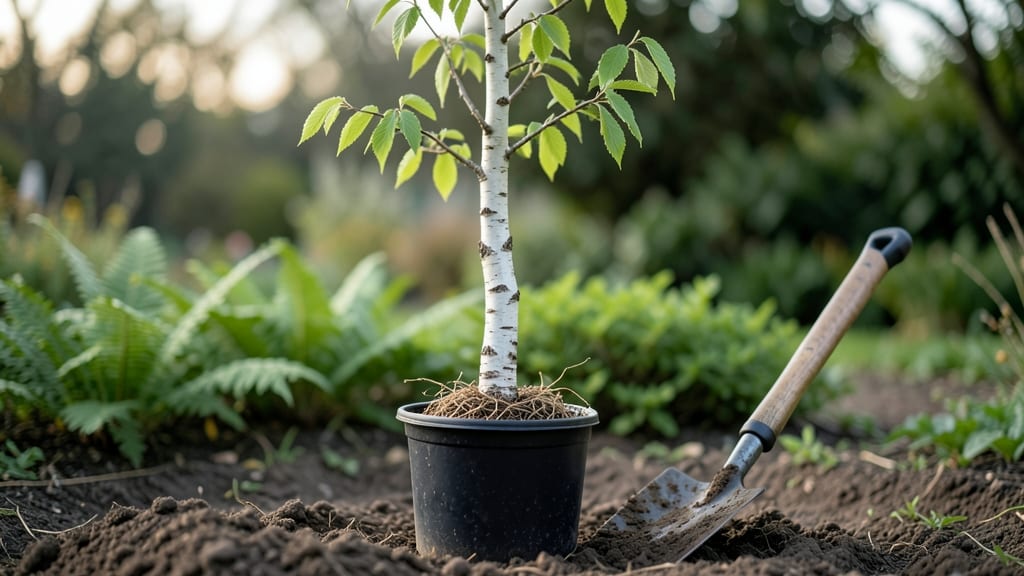
Planting birch trees means fast shade and striking bark within just a few seasons—though I’ve learned the hard way that proper placement makes all the difference. 🌿 The first time I planted paper birches, I ignored the sun requirements, and they struggled for years.
Now I know: these trees thrive in full sun to partial shade, with moist but well-drained soil that mimics their native woodland edges.
You’ll need a few key things: a young tree (bare-root or container-grown), a shovel, compost, and a 3-inch layer of mulch. For spacing, give paper birches 15-20 feet between trunks—they spread wider than you’d think—and yellow birches can handle 20-25 feet in mature forests.
Dig a hole twice as wide as the root ball but no deeper, or you’ll smother the roots.
Water deeply right after planting, then again every 7-10 days unless rain does the work. The goal is to keep the soil consistently moist but not soggy—birches hate "wet feet."
Mulch helps retain moisture and keeps weeds at bay, but keep it 3-4 inches away from the trunk to prevent rot. Within a year, you’ll see new growth, and by year three, that signature white bark will start to peel dramatically.
One tip I wish I’d known earlier: birches love cool roots, so avoid heavy mulch piles or deep tilling around them. Also, paper birches are especially sensitive to late frosts—plant them in early spring or fall to give them a head start.
For colder climates, choose yellow birch; it handles frost better than its white-skinned cousin.
📚 In This Guide
- What you need
- Instructions
- Tips and common mistakes
- Wrapping up and next steps
What you need
- ● Birch tree seedlings or saplings: 1–3 trees (depending on desired spacing and aesthetics)
- ● Choose Betula papyrifera (paper birch) or Betula pendula (European white birch) for best results
- ● Size: 1–3 feet tall (young saplings establish faster)
- ● Shovel or trowel: Medium-sized (for digging holes 2–3 times wider than the root ball)
- ● Garden gloves: Heavy-duty (to protect hands while handling soil and roots)
- ○ Mulch (optional but recommended): 2–3 inches of pine straw, wood chips, or shredded bark (avoid fresh wood chips near the trunk)
- ● Spread in a 3-foot radius around the base (keep mulch 6 inches away from the trunk)
- ● Watering can or hose with a gentle spray nozzle: For deep watering (1–2 gallons per tree initially)
- ● Soil amendment (if needed): Compost or peat moss (mix 1 part amendment with 2 parts native soil if your soil is clay-heavy or sandy)
- ● Tree stake and ties: For young saplings in windy areas (use biodegradable stakes)
- ● Tree guard or wire mesh: To protect from small animals or deer browsing
- ● Slow-release fertilizer: Balanced 10-10-10 or organic options like bone meal (apply sparingly in early spring)
- ● pH testing kit: Birch trees prefer slightly acidic soil (pH 5.0–6.5)
- ● Pruning shears: For shaping or removing damaged branches later
Step-by-Step instructions for planting birch trees
Here's how to get your birch trees growing strong in just a few hours—no fancy tools needed.
🌱 Step 1: Choose the Right Spot and Prepare the Soil
Birch trees thrive in partial shade to full sun but tolerate some afternoon shade in hotter climates. Look for a spot with well-draining soil—birches hate soggy roots. I always check for underground pipes or cables before digging, since birch roots spread widely.
Dig a hole twice as wide as the root ball but only as deep as the container's bottom. Loosen the sides of the hole with a shovel to encourage root spread. If your soil is heavy clay, mix in 2-3 inches of compost from the list to improve drainage. The goal is loose, airy soil that won't compact around the roots.
🪴 Step 2: Remove the Tree from Its Container
Water the birch tree 1-2 hours before planting to help the roots slide out easily. Gently squeeze the sides of the container while pulling upward—birch roots are delicate and can break if forced. If the tree is root-bound (roots circling tightly), use your fingers to tease them outward before placing in the hole.
Real talk: Don't worry if some roots break during this process. Birches are tough and will grow new roots quickly. You'll see the first signs of recovery in 2-3 weeks when new root hairs appear along the damaged areas.
💧 Step 3: Plant at the Right Depth and Water Deeply
Place the tree in the hole so the top of the root ball sits level with the surrounding soil. Birches hate being planted too deep—this can suffocate the trunk and cause rot. Fill around the roots with native soil, pressing lightly to remove air pockets but not compacting too tightly.
Water deeply until the soil is evenly moist 6-8 inches down. You'll know it's right when water stops pooling on the surface. Mulch with 2-3 inches of wood chips around the base (keep it 3 inches away from the trunk to prevent rot). This keeps moisture in and weeds out while protecting roots from temperature swings.
☀️ Step 4: Stake Only If Necessary and Provide Early Care
Skip the stakes if your birch is small—young trees rarely need support unless they're in a windy spot. If you do stake, use two stakes placed 6 inches from the trunk and tie loosely with soft fabric strips (never wire, which can girdle the trunk). Check the ties every 2 weeks and loosen as the tree grows.
Water once a week for the first month, then every 2-3 weeks once established. Birches are drought-tolerant once rooted, but young trees need consistent moisture. You'll see new leaves emerge in 4-6 weeks—that's your sign the tree is settling in.
⏰ Step 5: Monitor Growth and Protect Young Trunks
Check the planting site monthly for signs of stress—yellowing leaves or wilting means either too much sun or not enough water. Birches handle pruning well, but avoid cutting branches in the first year. If you notice peeling bark at the base, gently scrape away any damaged areas to prevent disease.
Here's the thing—birch trees grow fast, but they're also prone to sunscald if planted in full sun. If the trunk looks bleached or cracked after summer, apply a thin layer of white latex paint to protect it from harsh afternoon rays. You'll see smoother bark development within a season.
Tips & tricks for planting birch trees
These simple tricks will help your birch trees take root quickly and thrive for years—no green thumb required.
Soil Prep Secret: In Step 1, when you're digging that hole twice as wide as the root ball, take an extra minute to break up the soil at the bottom with your shovel. This creates tiny air pockets that help roots spread faster. Think of it like fluffing a pillow—your birch will thank you with stronger growth.
Root Handling Technique: Here's what nobody tells you—if you encounter root-bound roots in Step 2, don't just pull them apart. Gently wrap them around your fingers to stretch them outward before planting. This mimics natural root growth patterns and prevents the "root circle" problem that stunts many young trees.
Watering Wisdom: When you're watering deeply in Step 3, aim for that 6-8 inch moisture level by using a hose with a gentle spray attachment. This prevents soil compaction while ensuring water penetrates deeply. I've seen birches wilt within days when people just pour water on the surface—don't make that mistake!
Staking Strategy: If you do stake your tree in Step 4, bury the stakes about 6 inches deep for stability. The key is to leave that soft fabric tie loose enough that you can fit two fingers between it and the trunk. Too tight, and you'll strangle the tree as it grows—check those ties every two weeks like clockwork.
Pro Tips for Planting Birch Trees
- These simple tricks will help your birch trees take root quickly and thrive for years—no green thumb required.
- Soil Prep Secret: In Step 1, when you're digging that hole twice as wide as the root ball, take an extra minute to break up the soil at the bottom with your shovel.
- Root Handling Technique: Here's what nobody tells you—if you encounter root-bound roots in Step 2, don't just pull them apart.
Frequently asked questions
Got questions about planting birch trees? You’re not alone! Here are answers to the most common queries—from timing to troubleshooting—to help you grow a thriving birch grove with confidence.
When is the best time to plant birch trees?
Spring and early fall are ideal! Plant in spring (after the last frost) for a full growing season to establish roots, or in early fall (4-6 weeks before frost) to avoid winter stress. Avoid planting in late fall or winter—birch trees are sensitive to cold soil.
How much water do birch trees need after planting?
Water deeply 2-3 times per week for the first month, then taper to once a week (unless drought strikes). Mulch the base (2-3 inches) to retain moisture and protect roots. Overwatering can suffocate roots, so ensure soil drains well—birches hate soggy feet!
Can I plant birch trees in clay soil?
Birch trees tolerate most soil types, but clay soil can be tricky. Amend with compost or sand to improve drainage. If your soil is heavy, plant on a slight mound to prevent waterlogging. Yellowing leaves? That’s often a sign of poor drainage—fix it fast!
Why are my birch tree leaves turning yellow?
Yellow leaves usually mean overwatering, nutrient deficiency, or fungal issues. Check soil moisture—birches prefer consistently moist but not soggy soil. Test for iron or magnesium deficiency (common in alkaline soils) and amend with chelated iron if needed. Fungal diseases? Prune affected branches and avoid overhead watering.
Are birch trees good for small yards?
Dwarf varieties like ‘Fastigiata’ (Columnar Birch) or ‘Gracilis’ (Slimline Birch) stay compact (15-25 ft tall). Even standard birches have shallow, non-invasive roots, making them great for patios or gardens. Just plant them 10-15 feet from structures to avoid peeling bark on buildings.
Do birch trees attract pests?
Birches are generally pest-resistant, but bronze birch borers (a beetle) can be a problem in stressed trees. Prevent stress by watering deeply, mulching, and avoiding soil compaction. If you spot D-shaped holes or sawdust-like frass, treat with neem oil or invite woodpeckers—they’re natural pest controllers!
Wrapping up and next steps
Planting birch trees is a rewarding way to add elegance, shade, and low-maintenance beauty to your landscape. Their fast growth and adaptability make them perfect for beginners and seasoned gardeners alike—just pick the right variety, prepare the soil, and give them space to thrive! 🌳
Now that you’re armed with the know-how, roll up your sleeves and get planting. Start small with a single tree, experiment with different birch species, or even share saplings with fellow green thumbs. Every tree you plant makes a difference—for your yard and the planet!
Next step: Mark your calendar for early spring or fall, grab your tools, and watch your birch tree grow into a stunning centerpiece. Happy planting! 🌱✨