
Propagation
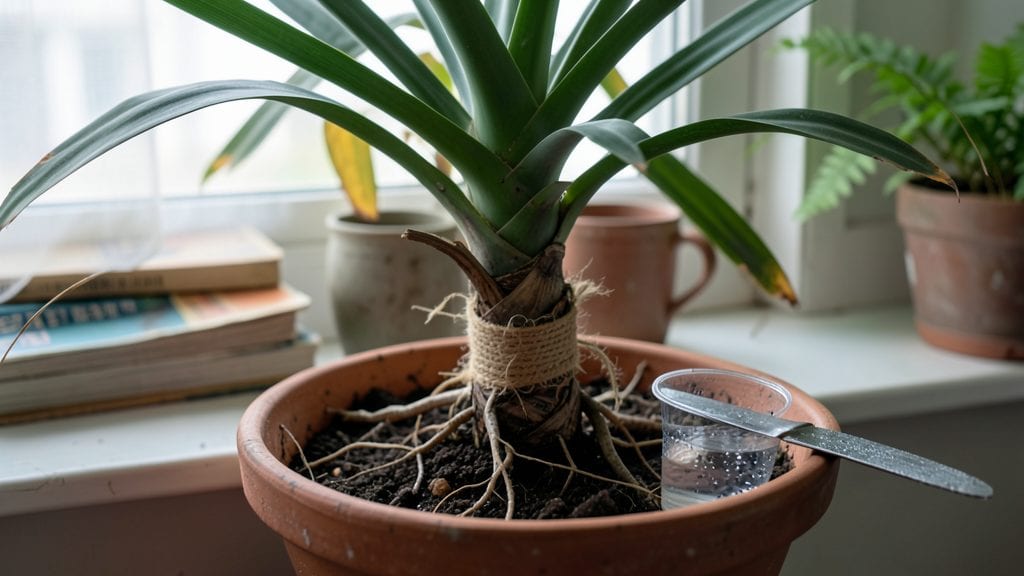
Mastering pandan plant propagation in water is the fastest way to multiply these fragrant tropical plants—I’ve doubled my collection in just 3 weeks using this method. The key lies in selecting healthy stems and keeping them in bright, indirect light while roots form.
You’ll see tiny white tendrils appear within days, and before you know it, you’ve got ready-to-pot babies.
All you need is a sharp knife, clean water, and a few inches of a mature pandan stem with at least two leaf nodes. Avoid overcrowding the jar—one cutting per vessel works best—and change the water every 3-4 days to prevent bacteria.
Most people rush this step, but patience here means stronger roots down the line.
Once roots reach 2-3 inches, transplant into well-draining soil and keep the pot slightly moist. The first few weeks are critical—new plants need humidity to avoid shock, so a clear plastic bag over the pot helps.
By month two, you’ll have lush, fast-growing pandans ready to fill your kitchen or garden with that signature vanilla-coconut scent.
This method works year-round, but spring and summer give the fastest results. For beginners, the biggest mistake is using old or diseased cuttings—always pick fresh growth from healthy plants. With these tips, you’ll turn a single stem into a thriving collection in no time.
📚 In This Guide
- What you need
- Instructions
- Tips and common mistakes
- Wrapping up and next steps
What you need
- ● Pandan plant cuttings: 3–5 healthy, mature stems (4–6 inches long), with at least 2–3 leaves and a few roots (if available).
- ● Clean, sharp pruning shears or knife: Disinfect with rubbing alcohol to prevent disease.
- ● Clean water: Use filtered or distilled water (chlorine-free) to avoid harming the cuttings. A jar or glass (8–12 oz) with a wide mouth works best.
- ○ Rooting hormone (optional but helpful): A small bottle of rooting powder or gel (e.g., Clonex or Dip ‘N Grow).
- ● Small pebbles or marbles: 3–5 pieces to weigh down the cuttings and keep them submerged.
- ● Bright, indirect light: Place your jar near a sunny window (but avoid direct sunlight, which can overheat the water).
- ● Warmth (70–80°F): Pandan thrives in cozy conditions—think kitchen counters or bathrooms!
- ● Patience: Roots typically appear in 2–4 weeks, but some may take longer.
- ● Fresh water: Change the water every 3–4 days to prevent bacterial growth.
- ● Hydrogen peroxide (3% solution): Add 1 tsp per quart of water to boost rooting and keep water clean.
- ● Small mesh bag or cheesecloth: Use to cover the jar loosely and create a humid microclimate.
- ● Grow lights: If natural light is limited, a LED grow bulb can speed up root development.
- ● Journal or labels: Track cutting dates and root progress for future reference!
Step-by-Step instructions for pandan plant propagation in water
Here's how I quickly multiply my pandan plants using simple water propagation.
Select and Prepare Healthy Cuttings
Choose mature stems that are at least 4-6 inches long with 3-4 nodes—these are the little bumps where roots will emerge. Use clean, sharp scissors or pruning shears to make a diagonal cut just below a node. This angled cut gives more surface area for root growth.
Remove any lower leaves that would sit below the waterline. You'll want to keep 2-3 leaves at the top to allow photosynthesis while the roots develop. I like to make 3-4 cuttings per plant to maximize my chances of success.
Place Cuttings in Water
Fill a clean glass or jar with room-temperature water—never tap water that's been sitting for days, as it can contain chlorine or bacteria. Place your cuttings in the water so that only the bottom node is submerged. The rest of the stem should remain dry above the waterline.
Change the water every 3-4 days to prevent bacterial growth. I use a small glass so I can easily monitor root development. Place the container in bright, indirect light—direct sun can overheat the water and stress the cutting.
Monitor and Encourage Root Growth
After about 7-10 days, you'll start seeing tiny white root hairs appear at the submerged node. These are your first signs of successful propagation. Keep the water level consistent—never let the cutting dry out, but don't submerge more than the bottom node.
Once roots reach about 1-2 inches long (usually 3-4 weeks), your cuttings are ready for planting. I test root strength by gently tugging—if they hold firm, they're ready. If they pull out easily, wait another week.
Transplant to Soil
Prepare a small pot with well-draining potting mix—pandan plants hate soggy roots. Make a small hole in the center and gently place your rooted cutting in, covering the roots completely but leaving the stem exposed. Press lightly around the base to secure it.
Water lightly after transplanting and place in bright, indirect light for the first week. Avoid direct sun initially, as the plant needs time to adjust. You'll notice new growth within 2-3 weeks as the plant establishes itself in its new home.
Tips & tricks for perfect pandan plant propagation
A few simple tricks will help you root your pandan cuttings faster and with better success.
The Cutting Technique: When making your diagonal cut just below a node in Step 1, make sure it's clean and sharp. A jagged cut can introduce bacteria and slow down root growth. I use sterilized pruning shears dipped in rubbing alcohol for the cleanest cut possible. This small step makes a surprisingly big difference in how quickly roots develop.
Water Quality Matters: In Step 2, room-temperature water is crucial—cold water can shock the cuttings while warm water can promote bacterial growth. I actually let my tap water sit out for 24 hours before using it to allow chlorine to dissipate. You can also use filtered or rainwater if available. Changing the water every 3-4 days as instructed prevents that musty smell and keeps your cuttings healthy.
Lighting Strategy: Bright, indirect light is key for photosynthesis during root development. I place my propagation containers near an east-facing window where they get morning sun but avoid the intense afternoon heat. If you don't have natural light, a simple grow light on a timer works beautifully—just 12 hours of light per day is perfect. Too little light slows root growth, while too much can scorch the leaves.
Root Growth Monitoring: In Step 3, when you see those first tiny root hairs around day 7-10, that's your signal to be extra gentle. I've found that using a magnifying glass helps me spot root development earlier. Once roots reach 1-2 inches, the tug test becomes your best friend—if they hold firm, they're ready for transplanting. This patience pays off with stronger, healthier plants that establish faster in soil.
Pro Tips for Pandan Plant Propagation
- A few simple tricks will help you root your pandan cuttings faster and with better success.
- The Cutting Technique: When making your diagonal cut just below a node in Step 1, make sure it's clean and sharp.
- Water Quality Matters: In Step 2, room-temperature water is crucial—cold water can shock the cuttings while warm water can promote bacterial growth.
Frequently asked questions
Got questions about propagating your pandan plant? You’re not alone! Here are answers to some of the most common queries—straight from fellow plant enthusiasts and experts.
How long does it take for pandan cuttings to root in water?
Most pandan cuttings sprout roots in 3 to 6 weeks when kept in warm, indirect light. Patience is key—rushing the process can stunt growth. Check for tiny white roots forming at the base before transplanting. If yours isn’t budging after 8 weeks, try adjusting humidity or using rooting hormone.
Can I propagate pandan from leaves instead of stems?
While stems are the most reliable method, leaves can work—but it’s trickier! Pandan leaves lack sufficient nutrients to root independently. If you try, dip the base in rooting hormone and keep it moist. Success rates are lower, so stick to stem cuttings for best results.
What if my pandan cutting turns mushy or black?
A mushy or blackened cutting usually signals rot—often from overwatering or poor water quality. Swap the water daily and trim the affected area with clean scissors. Let the cutting dry for a day before replanting. If mold appears, use a 10% hydrogen peroxide solution to disinfect.
Is there an alternative to water propagation for pandan?
For faster results, try soil propagation:
- Dip the cutting in rooting hormone.
- Plant in moist, well-draining soil (mix with perlite for aeration).
- Cover with a plastic bag to retain humidity.
- Water lightly and wait 4–6 weeks for roots.
Why aren’t my pandan cuttings growing roots?
Slow or no root growth could stem from:
- Insufficient light—pandan needs bright, indirect light (6+ hours daily).
- Cold water—use room-temperature water to avoid shock.
- Old or weak cuttings—choose healthy, green stems (avoid woody or yellowed parts).
- Lack of nutrients—add a drop of liquid fertilizer to the water every 2 weeks.
Wrapping up and next steps
Propagating pandan plants in water is a rewarding and simple process—perfect for expanding your green space without breaking the bank! 🌱 Whether you’re a beginner or a plant enthusiast, mastering this method ensures you’ll soon have lush, thriving plants ready for transplanting.
Now that you’ve got the know-how, roll up your sleeves and start your propagation journey today!
Your next step? Grab those cuttings, set up your water station, and watch your pandan plant family grow! 🌿✨