
Watering
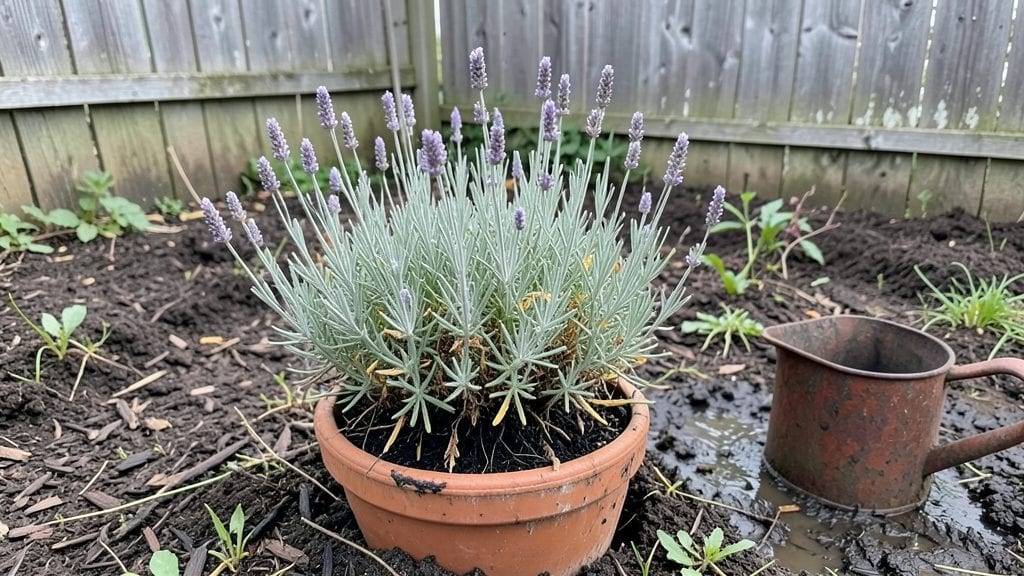
Nothing kills lavender faster than soggy roots—yet I’ve revived more overwatered plants than I’d like to admit. 🌿 The telltale signs are unmistakable: yellowing leaves, mushy stems, and that dreaded rotten smell. But here’s the good news: lavender’s drought-tolerant roots can bounce back with the right care.
First, stop watering entirely and let the soil dry out completely. Lavender thrives on neglect, not attention—think Mediterranean droughts, not tropical rains. Next, improve drainage by mixing in coarse sand or perlite if your soil feels compacted. Finally, prune back any mushy stems to redirect energy to healthy growth.
Within weeks, you’ll see fresh green shoots pushing through, and that signature lavender fragrance will return. The key is patience: overwatered plants need time to recover, but they will come back stronger. Just remember—your lavender’s roots are screaming for air, not water.
This method works for both in-ground lavender and container plants. Once revived, adjust your watering to once every 10-14 days (or when the top 2 inches of soil feel dry). Your fragrant shrubs will thank you.
Root Causes of Lavender Woes
Lavender plants thrive in dry, well-drained soil, but when they receive too much water, their delicate root systems struggle to adapt. Understanding why this happens is the first step to saving your plant.
Below, we break down the key reasons behind overwatering—from soil science to environmental factors—and how they lead to a soggy, stressed lavender.
Lavender roots hate sitting in waterlogged soil because they’re adapted to Mediterranean climates where water is scarce. When planted in heavy clay or compacted soil, excess moisture can’t escape, leading to:
- Root suffocation: Without oxygen, roots suffocate, turning brown and mushy—a process called anaerobic respiration. This disrupts nutrient uptake and weakens the plant’s structure.
- Fungal infections: Stagnant water creates the perfect breeding ground for Phytophthora and Pythium, fungi that rot roots and stems. Look for dark, slimy roots or yellowing leaves as red flags.
- Salt buildup: Over time, dissolved minerals in water accumulate in the soil, creating a salty crust that further stresses roots and prevents water absorption.
Actionable fix: Amend soil with perlite, coarse sand, or gravel (20–30% by volume) to improve aeration. Test your soil’s drainage by filling a container with soil and water—if it drains slower than 30 minutes, it’s too dense.
Lavender’s drought tolerance is legendary, but many gardeners mistakenly assume it needs frequent watering—especially after planting. Common missteps include:
- Watering on a schedule: Lavender doesn’t follow a calendar; it follows soil moisture levels. Sticking to a rigid schedule (e.g., every Tuesday) can lead to overwatering if rain or humidity changes the equation.
- Ignoring the "finger test": Before watering, stick your finger 1–2 inches into the soil. If it’s dry, water; if it’s damp, wait. Overwatering often stems from guessing instead of checking.
- Using the wrong watering method: A gentle sprinkle from above mimics rain, but lavender prefers deep, infrequent watering at the base. Shallow watering encourages surface evaporation and weak roots.
Actionable fix: Water only when the top 1–2 inches of soil are bone-dry, and use a soaker hose or drip irrigation to deliver water directly to the roots. Aim for 1–1.5 inches of water every 7–10 days (adjust for climate).
Lavender’s native habitat is bone-dry, but modern gardens often trap moisture through:
- High humidity: In humid climates (e.g., Pacific Northwest, Southeast U.S.), lavender’s leaves can’t transpire efficiently, leading to edema (water blisters on leaves) or fungal diseases like powdery mildew.
- Poor air circulation: Crowded plantings or dense foliage trap moisture against leaves, creating a damp microclimate that encourages rot.
- Rainfall overload: If your region gets consistent heavy rain (e.g., 1+ inch per week), lavender’s roots can’t keep up, leading to chronic sogginess.
Actionable fix:
- ✅ Space plants 18–24 inches apart for airflow.
- ✅ Plant in raised beds or slopes to improve drainage.
- ✅ Use a rain gauge to track weekly rainfall—skip watering if you’ve hit 1 inch.
Lavender’s water needs fluctuate with temperature. Cold or cool seasons slow evaporation, while heat speeds it up—misjudging this balance leads to overwatering:
- Winter dormancy: In cooler months, lavender’s growth slows, and roots need less water. Overwatering can drown dormant roots, causing rot.
- Heatwaves: During summer, lavender drinks more water, but if you don’t adjust your schedule, the soil can stay soggy longer than usual.
- Transplant shock: Newly planted lavender has limited root systems and can’t absorb water efficiently. Overwatering in the first 2–4 weeks after planting is a common mistake.
Actionable fix:
Season
Watering Adjustments
Spring/Fall
Water every 7–10 days; focus on deep soakings.
Summer
Water every 5–7 days (early morning only) to reduce evaporation.
Winter
Reduce to every 3–4 weeks or only when soil is completely dry.
If you’re growing lavender in containers, the pot itself can trap moisture. Common offenders:
- Glazed or plastic pots: These materials don’t allow excess water to evaporate, keeping roots wet longer.
- Small pots without drainage holes: Even with well-draining soil, water has nowhere to go, leading to root rot.
- Terracotta without a saucer: While terracotta breathes, placing it on a non-porous surface (like concrete) can cause water to pool underneath.
Actionable fix: Use unglazed terracotta or fabric pots with drainage holes, and always place them on elevated trays or gravel to prevent waterlogging. Avoid saucers unless they’re drainage-free.
Revive Your Drowning Lavender
Lavender thrives on neglect—too much water, and it throws a fit! 🌧️😬 But don’t panic. With the right steps, you can nurse your soggy plant back to health and prevent future waterlogging disasters.
Below, we’ll tackle the most common causes of overwatering and map them to simple fixes, plus pro tips to keep your lavender happy and fragrant.
Cause: Potted lavender in soggy soil or poor drainage. Fix:
- 🌱 Remove the Plant Gently – Lift it from the pot and inspect the roots. Healthy roots are firm; mushy or black roots are a red flag.
- 🧼 Rinse Roots (If Needed) – If roots smell foul or look slimy, give them a quick rinse in lukewarm water to wash away excess salts or bacteria.
- 🏗️ Repot in Fresh, Dry Soil – Use a well-draining mix (like cactus/succulent soil + perlite) and a pot with drainage holes. Avoid compacted soil—lavender hates soggy feet!
- 🌞 Let It Dry Out – Place the plant in a sunny spot (lavender loves sun!) and skip watering for 3–5 days to let the roots recover.
💡 Pro Tip: If repotting isn’t an option, dig a hole around the base of the plant to aerate compacted soil and encourage drainage.
Cause: Overwatering + nutrient leaching or fungal issues. Fix:
- ✂️ Prune the Damage – Snip off yellow or mushy leaves/stems with clean scissors. This stops the plant from wasting energy on rotten parts.
- 🌿 Trim for Airflow – Thin out crowded growth to improve airflow and prevent fungal spores from thriving.
- 💧 Water Only When Dry – Stick your finger 2 inches deep into the soil. If it’s damp, wait. Lavender prefers bone-dry soil between waterings.
🌡️ Quick Check: If the soil feels cold and clumpy, it’s too wet. Warm, crumbly soil is ideal.
Cause: Chronic overwatering leading to fungal/bacterial root rot. Fix:
- 🔪 Trim the Rotten Roots – Use sterilized scissors to cut away black, mushy roots. Keep only firm, white/pale roots.
- 🍄 Treat with Fungicide (Optional) – If you spot mold or a foul smell, spray roots with a copper-based fungicide or a 1:10 hydrogen peroxide-water mix.
- 🏡 Repot in Sterile Soil – Use fresh, sterile potting mix and a clean pot. Avoid reusing old soil—it may harbor pathogens.
- 🌿 Hold Off on Water – Let the plant recover in bright, indirect light for a week before resuming watering.
✨ Emergency Move: If root rot is severe, propagate healthy cuttings in dry soil to save the plant.
Cause: Heavy clay soil or poor garden drainage trapping moisture. Fix:
- 🛠️ Improve Drainage – Mix sand or gravel into the soil around the plant (or create a raised bed).
- 🌿 Mulch Lightly – Use gravel or pebbles (not organic mulch) to keep roots dry. Organic mulch holds moisture—lavender’s worst enemy!
- 💧 Water Deeply, Rarely – For in-ground lavender, water only during extreme drought (1–2 times/month in summer).
🎯 Prevention: Plant lavender on a slope or in full sun—it naturally repels excess moisture.
- 📅 Watering Schedule: Lavender needs very little water—once every 2–3 weeks in pots, less in gardens.
- ⏰ Best Time to Water: Early morning so soil dries quickly.
- 🌦️ Rainy Days? Move pots to a covered area to avoid waterlogging.
- 🌱 Pot Size Matters: Smaller pots dry out faster—upgrade if your lavender is perpetually soggy.
Remember: Lavender is a drought-loving Mediterranean—it’d rather wilt than drown! 🌵 With these fixes, your plant should bounce back in 2–4 weeks. Stay patient, and soon you’ll be harvesting fragrant stems again.
Frequently asked questions
How do I know if my lavender plant is overwatered?
Check for yellowing leaves, mushy stems, or a foul smell at the base—these are clear signs of overwatering. Also look for drooping or wilted growth despite damp soil. Lavender in good health should have silvery-green foliage and upright stems.
Can I save my lavender if the roots are rotting?
Yes, but act fast! Trim away all black, mushy roots with sterilized scissors, then repot in fresh, dry soil with perlite for drainage. Skip watering for 5–7 days to let roots recover. If rot is severe, propagate healthy cuttings instead.
Why does my lavender keep getting overwatered in a pot?
Potted lavender needs well-draining soil and drainage holes—plastic or glazed pots trap moisture. Use terracotta or fabric pots and place them on elevated trays. Water only when the top 2 inches of soil are bone-dry.
How often should I water lavender in summer vs. winter?
In summer, water every 5–7 days (early morning only), but reduce to every 3–4 weeks in winter. Lavender’s roots slow down in cold weather—overwatering then can drown them. Always check soil moisture first!
Will pruning help an overwatered lavender plant?
Prune yellow or mushy leaves and thin crowded growth to improve airflow. This stops fungal spread and redirects energy to healthy stems. Just avoid cutting into woody stems—focus on soft, new growth.