
Succulent
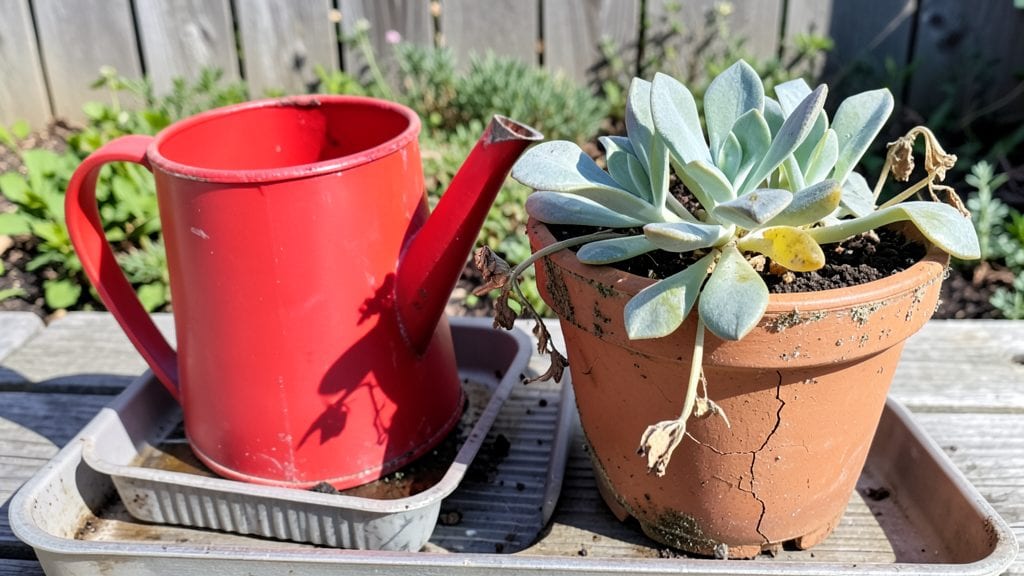
Your ice plant’s sad, mushy stems are screaming for help—and I’ve pulled overwatered ones back from the brink more times than I’d like to admit. 🌱 The first step is stopping the drowning, because ice plants (Delosperma spp.) are desert survivors, not swamp dwellers.
Their thick leaves store water like tiny reservoirs, but too much moisture turns them into sad, rotting puddles.
Here’s the hard truth: most people overwater because they think succulents need constant moisture. They don’t. Ice plants thrive in well-draining soil and bright light, and they’ll forgive you for forgetting to water—but they won’t forgive soggy roots.
Within 10-14 days of cutting back on water, you’ll see crisp, plump leaves returning as the plant sheds its rotten parts.
What you’ll end up with is a rebounding, vibrant plant that looks like it never had a soggy phase. The key is a terracotta pot (or one with drainage holes), a fast-draining mix (cactus soil + perlite), and waiting until the top inch of soil is bone-dry before watering again.
Once you reset the routine, your ice plant will bounce back faster than you’d expect.
This works for both container-grown and ground-planted ice plants, though containers recover quicker. The same rules apply whether you’re dealing with a Delosperma cooperi or Delosperma nubigenum—just adjust watering for your local humidity. Let’s get those roots breathing again.
Root Causes Of Excess Water
Overwatering your ice plant (Delosperma spp.) isn’t just a gardening mistake—it’s a silent killer that chokes its roots and leaves your plant gasping for air. Understanding why this happens is the first step to saving your succulent.
Below, we break down the key reasons—from soil science to human habits—so you can fix the problem at its source.
Ice plants thrive in well-draining soil, but when moisture lingers, roots suffocate. Here’s why drainage fails:
- Clay-heavy or compacted soil: Clay particles pack tightly, blocking water escape. Even after irrigation, water pools around roots, starving them of oxygen. Test it: Scoop a handful of damp soil—if it forms a hard clump, drainage is poor.
- Lack of organic matter: Soil with too little compost or perlite holds water like a sponge. Organic matter creates air pockets, but without it, roots drown in saturation.
- Container constraints: Pots without drainage holes act as water traps. Even "breathable" fabrics (like burlap) can’t compensate if the mix retains moisture too long.
💡 Pro Tip: Amend soil with 50% coarse sand or pumice and 20% perlite to mimic the arid conditions ice plants love. For containers, always use a pot with holes—and elevate it on pebbles to prevent "wicking" from saucers.
Ice plants store water in their leaves, but that doesn’t mean they’re drought-proof—it means they hate excess water. Common overwatering triggers include:
- Ignoring the "soak-and-dry" rule: Water deeply until it drains from the bottom, then wait until the top 2 inches of soil are bone-dry before repeating. Skipping this step keeps roots in a soggy state.
- Mistaking thirst for wilting: Ice plants shrink when thirsty (a survival trick), but they rot when overwatered. Poke the soil—if it’s damp, wait.
- Automatic sprinklers or timers: These often deliver too much, too often, especially in humid climates where evaporation slows. Ice plants need less, not more, in high humidity.
- Seasonal confusion: Winter watering is the #1 culprit. Ice plants enter dormancy in cold months and need almost no water—yet many gardeners keep summer schedules year-round.
⏰ Schedule Hack: Use a moisture meter or the finger test (insert your finger 2" deep—if damp, skip watering). In winter, reduce frequency by 70%.
Ice plants evolved in hot, dry climates, but modern environments—especially indoors or in shaded gardens—create the perfect storm for overwatering. Here’s how:
- High humidity slows evaporation: In bathrooms, kitchens, or tropical climates, air holds moisture longer, keeping soil damp for days. Roots can’t breathe in these conditions.
- Cool temperatures reduce transpiration: Ice plants "sweat" through tiny leaf pores to release excess water. But in below-60°F temps, this process stalls, trapping moisture in the plant.
- Shade confuses the plant’s rhythm: Direct sun triggers thirst signals, but shade makes ice plants think they’re in a moist environment—leading to overwatering "just in case."
🌡️ Climate Fix:
- Move potted ice plants to bright, indirect light (e.g., near a south-facing window).
- Use a dehumidifier near indoor plants or place them on a gravel tray (with space between pot and pebbles) to improve airflow.
- In winter, group plants together to create a microclimate with faster air circulation.
Even the best soil mix fails if water can’t escape. Common blockages include:
| Obstruction | Why It Matters | Solution |
|---|---|---|
| Matted roots | Roots grow into drainage holes, creating a barrier. Compacted soil above worsens the issue. | Gently tease roots away from holes during repotting. Add 1 inch of coarse sand at the bottom of the pot as a "drainage layer." |
| Silt or debris buildup | Mineral deposits or old mulch clog holes over time, especially in tap water. | Flush holes with vinegar or hydrogen peroxide (1:3 ratio) to dissolve buildup. Use filtered or rainwater for watering. |
| Pot saucer sealing | Plastic or ceramic saucers trap excess water, wicking it back into the soil. | Replace saucers with pebble trays or elevate pots on "feet" to allow airflow underneath. |
🔧 Maintenance Tip: Check drainage holes every 3–6 months—especially if using hard water. A wire or pipe cleaner can clear minor clogs.
Revive Your Drowning Ice Plant
If your ice plant (also known as Delosperma or Lampranthus) has been overwatered, don’t panic—it’s often salvageable with the right steps. The key is to act quickly, adjust your care routine, and give your plant time to recover.
Below are practical solutions tailored to the most common causes of overwatering, along with prevention tips to keep your ice plant thriving long-term.
If your ice plant’s roots are mushy, black, or smelly, root rot has likely set in due to prolonged soggy soil. Here’s how to rescue it:
🔪 Trim the Damaged Roots
- Step 1: Gently remove the plant from its pot and rinse off the soil with lukewarm water to expose the roots.
- Step 2: Use sterilized scissors or pruning shears to cut away any black, mushy, or foul-smelling roots. Focus on keeping only firm, white or pale roots intact.
- Step 3: Let the trimmed roots air-dry for 1–2 hours to prevent further infection.
🌱 Repot in Fresh, Dry Soil
- Step 1: Choose a pot with drainage holes (if repotting) and fill the bottom with a layer of perlite, pumice, or coarse sand for aeration.
- Step 2: Use a well-draining succulent or cactus mix—avoid regular potting soil, which retains too much moisture.
- Step 3: Replant the ice plant, ensuring it sits at the same depth as before. Press the soil lightly around the base.
💧 Adjust Your Watering Habits
- Wait 5–7 days before watering again, even if the soil feels dry. This gives the roots time to heal.
- Water only when the top 2 inches of soil are completely dry. Stick your finger in the soil to check—if it’s damp, wait longer.
- Water deeply but infrequently: When you do water, soak the soil thoroughly until it drains from the bottom of the pot. Empty the saucer afterward to prevent root rot.
Overwatering creates a breeding ground for fungi and bacteria, which can further stress your ice plant. Here’s how to stop the spread:
💡 Sterilize Tools and Soil
- Clean your tools with rubbing alcohol before and after trimming roots to avoid cross-contamination.
- Disinfect the pot by soaking it in a 1:10 bleach-water solution for 10 minutes, then rinsing and drying thoroughly.
- Use fresh potting mix—never reuse old soil that may harbor pathogens.
🌿 Apply Fungicide (If Needed)
- If you notice white, fuzzy mold (powdery mildew) or dark spots, spray the plant with a copper-based fungicide or a neem oil solution (1 tsp neem oil + 1 quart water). Reapply every 7–10 days until the issue clears.
- Avoid wetting the leaves when watering—direct moisture encourages fungal growth. Water at the soil base instead.
🌬️ Improve Air Circulation
- Space plants apart to allow airflow, reducing humidity around the leaves.
- Use a small fan on low speed near the plant (if indoors) to promote drying.
- Avoid placing ice plants in damp or enclosed spaces, like bathrooms or poorly ventilated greenhouses.
Yellowing or mushy leaves are signs of overwatering stress. While you can’t revive damaged foliage, you can prevent further harm and encourage new growth:
✂️ Prune Damaged Leaves
- Remove yellow, brown, or mushy leaves at the base with clean scissors. This redirects the plant’s energy to healthy growth.
- Avoid tearing leaves—this can introduce bacteria. Cut close to the stem for a clean removal.
🌞 Boost Light Exposure
- Move your ice plant to a sunnier spot (at least 6 hours of direct sunlight daily). Lack of light slows recovery and encourages leggy, weak growth.
- If indoors, place it near a south- or west-facing window. A grow light can supplement if natural light is limited.
🍽️ Fertilize Lightly (After Recovery)
- Wait 4–6 weeks before fertilizing to avoid stressing the plant further.
- Use a balanced, diluted succulent fertilizer (half-strength) once every 2–3 months during the growing season (spring and summer).
- Avoid fertilizing in fall or winter, as ice plants are dormant and don’t need nutrients.
Once your ice plant is on the mend, keep these habits to avoid future overwatering:
- 💡 Use the “Finger Test”: Stick your finger 1–2 inches into the soil. If it’s damp, wait before watering.
- 🏺 Choose the Right Pot: Terracotta pots dry out faster than plastic—ideal for ice plants.
- 🌧️ Water in the Morning: This gives excess moisture time to evaporate during the day.
- 🌱 Mulch Lightly: Use a thin layer of gravel or coarse sand around the base to reduce evaporation and deter pests.
- 🌦️ Monitor Weather Conditions: Adjust watering during rainy seasons or high humidity—ice plants need less water when the air is already moist.
With patience and the right care, your overwatered ice plant can bounce back stronger than ever. Keep an eye on its progress, and soon you’ll be admiring its vibrant blooms and lush foliage again! 🌸
Frequently asked questions
Why does my ice plant look sad and mushy after watering?
Ice plants store water in their leaves, but too much moisture causes roots to suffocate and leaves to turn mushy. This happens when soil stays damp for more than 2-3 days—a classic sign of overwatering. The plant’s thick leaves can’t handle soggy conditions, leading to rot and yellowing.
Can I save an ice plant with black, smelly roots?
Yes, but act fast! Trim away all black, mushy roots with sterilized scissors, then repot in fresh, dry cactus mix with perlite. Wait 5-7 days before watering again to let roots heal. If most roots are healthy, your plant can recover fully.
How often should I water my ice plant in winter?
Cut back drastically—water only when the soil is completely dry down to 2 inches deep, which might mean every 4-6 weeks in winter. Ice plants enter dormancy and need far less moisture when temperatures drop below 60°F. Overwatering in winter is the #1 killer!
Will my ice plant recover if I stop watering completely?
Not ideal—complete drought stress can be just as harmful as overwatering. Instead, use the finger test: Only water when the top 1-2 inches of soil are bone-dry. Ice plants are tough but need consistent care, not neglect. Balance is key!
Can I use regular potting soil for my ice plant?
No—regular potting soil holds too much moisture and causes root rot. Always use a succulent/cactus mix with 50% perlite or coarse sand. This mimics their natural arid habitat and prevents soggy soil. Mix it yourself or buy pre-made blends labeled for succulents.