
Pruning
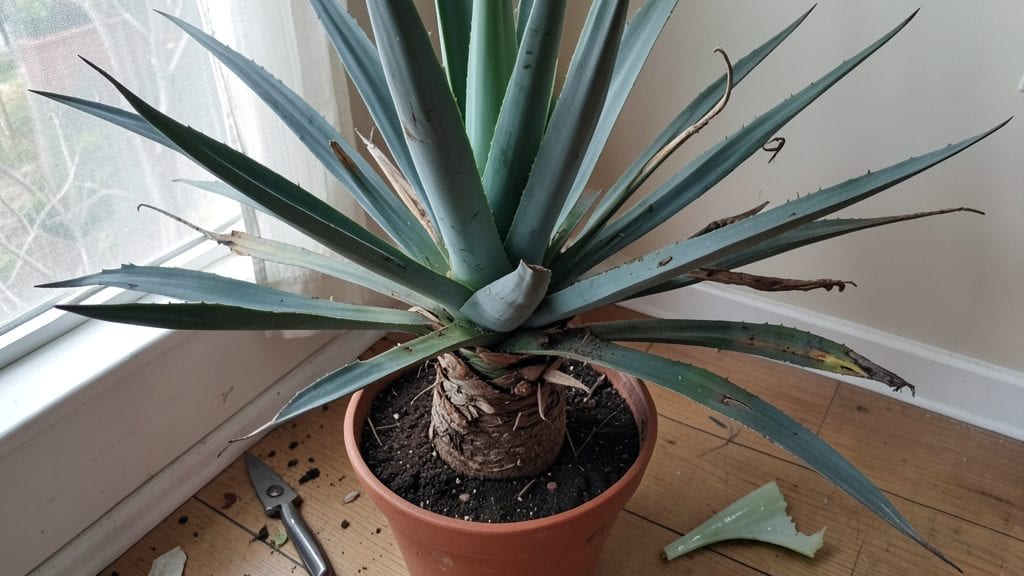
Pruning outdoor yucca plants isn't just about looks—it keeps them thriving for years. ✨ I learned the hard way when my first yucca turned crispy after a winter freeze because I didn’t prune properly.
The right cuts at the right time make all the difference, whether you’re dealing with leggy growth or storm damage.
You only need three basic tools: sharp bypass pruners, rubbing alcohol for cleaning cuts, and a bucket for debris. Timing matters most—prune in late winter or early spring before new growth starts, or after a hard frost when the plant’s dormant.
Never cut into healthy green leaves; always target brown, dead, or damaged foliage first.
The goal is to shape without stressing the plant. Cut back dead fronds at the base, and trim any leggy stems by about a third to encourage bushier growth.
After pruning, water deeply to help the plant recover. Within weeks, you’ll see fresh green shoots pushing through, and your yucca will look fuller than ever.
This method works for all common yucca varieties, from the tall Yucca filamentosa to the bold Yucca rostrata. Even in hot climates, pruning at the right time prevents disease and keeps your plant looking sharp. Ready to give your yucca the care it deserves?
📚 In This Guide
- What you need
- Instructions
- Tips and common mistakes
- Wrapping up and next steps
What you need
- ● Pruning shears or bypass pruners – Choose sharp, sterilized shears with a 5-7 inch blade for clean cuts (e.g., Felco F-2 or Corona Tools).
- ● Heavy-duty gloves – Opt for gardening gloves with reinforced palms (e.g., Mechanix Wear or Gloveworks) to protect against sharp edges and sap.
- ● Disinfectant (70% isopropyl alcohol or bleach solution) – 1 part bleach to 9 parts water to sterilize tools and prevent disease.
- ○ Pruning saw (optional but helpful for thick stalks) – A curved-tooth pruning saw (e.g., Fiskars) for stems thicker than 1 inch in diameter.
- ● Rubbing alcohol or hand sanitizer – For cleaning hands after handling sap (yucca sap can irritate skin!).
- ● Trash bag or compost bin – To dispose of pruned debris (check local composting rules—yucca is not always compost-friendly!).
- ● Hose with nozzle – To rinse tools and clean sap off hands or surfaces.
- ● Gardening kneeler or stool – For comfort if your yucca is tall or ground-level pruning is tricky.
- ● Plant sealant (e.g., pruning wax) – Apply to large cuts to prevent sap oozing and speed healing (e.g., Tanglefoot Tree Wound Pruning Sealer).
- ○ Marking spray (optional for shaping) – Use water-soluble chalk spray to outline desired cuts before pruning.
Instructions for pruning outdoor yucca plants
Here's how to keep your yucca looking sharp and healthy all year—no fancy tools required.
✂️ Step 1: Remove Dead or Damaged Growth in Late Winter
Start by inspecting your yucca in late winter before new growth begins. Look for brown, mushy stems or dry, crispy fronds—these are dead and need removal. I grab my pruning shears and make a clean cut 1-2 inches below the damaged area. This prevents disease from spreading into healthy tissue.
Yuccas store water in their thick stems, so dead growth can rot if left attached. Cutting it out now lets fresh shoots focus energy on recovery. If a stem is completely hollow or oozing, it's time to remove the whole branch at its base. Just be sure to sterilize your shears between cuts with rubbing alcohol to avoid cross-contamination.
🌱 Step 2: Trim Overcrowded Foliage in Early Spring
Once new growth appears in early spring, focus on thinning out dense clusters. Yuccas grow in rosettes, and too many leaves competing for space leads to weak, scraggly plants. I start by identifying the oldest, outermost leaves—these are the first to yellow and should go. Use your shears to cut them off at the base, leaving a clean collar.
Don’t overdo it—remove no more than 20% of the foliage in one session. You’ll know you’ve done enough when sunlight reaches the center of the plant and new shoots start pushing through. This step encourages stronger, bushier growth and prevents pests from hiding in thick foliage.
☀️ Step 3: Shape and Deadhead in Mid-Summer
By mid-summer, your yucca will have matured, and it’s time for light shaping. Look for crossing branches or leggy stems that spoil the plant’s natural form. Snip these back to where they branch off neatly. For flowering stalks, cut them off right after blooms fade—this redirects energy to foliage instead of seed production.
If your yucca has pups (baby plants) at the base, decide whether to remove them. I usually leave 2-3 healthy pups to transplant later, but if the mother plant is crowded, I cut them off at the base with a sharp knife. Just be gentle—yucca roots are shallow, and rough handling can stress the plant.
⏰ Step 4: Clean Up and Sterilize After Each Prune
After every pruning session, sterilize your tools with rubbing alcohol to prevent fungal or bacterial spread. I also rake up and dispose of all cuttings—never leave them on the ground, as they can harbor pests or diseases. If you’re composting, bury them deep where they won’t re-sprout.
Finally, give your yucca a light watering (about 1 gallon per foot of plant height) to help it recover. Yuccas are drought-tolerant, but a little moisture after pruning encourages new growth. Avoid fertilizing right after—wait 4-6 weeks to let cuts heal before feeding.
Tips & tricks for pruning outdoor yucca plants
These simple tricks will help you keep your yucca thriving all year—without the guesswork.
The Late Winter Timing Secret: I can't stress enough how important that late winter timing is. This is when yuccas are dormant, making it the perfect window to remove dead growth without shocking the plant. If you miss this window and prune too early, you might accidentally trim off buds that haven't even sprouted yet. Mark your calendar for February or early March, depending on your climate zone.
Tool Prep That Saves Your Plant: Before you even touch your yucca, sterilize your pruning shears with rubbing alcohol. I learned this the hard way after my neighbor's yucca developed a fungal infection from using the same shears on multiple plants. Also, make sure your blades are sharp—dull shears crush stems instead of making clean cuts, which invites disease. A quick swipe across your thumb should give you a clean cut, not a jagged tear.
The 20% Rule for Spring Trimming: When you're thinning those overcrowded fronds in early spring, remember the 20% limit. This isn't just a suggestion—it's a biological necessity. Yuccas need their leaves for photosynthesis to fuel new growth. If you remove too much at once, you'll starve your plant. Think of it like giving your yucca a haircut: you want to shape it, not shave it.
Summer Pruning Strategy: In mid-summer, focus on selective shaping rather than wholesale cutting. Look for those crossing branches that create weak points in the plant. When you remove them, cut back to where the branch naturally splits from the main stem. This maintains the plant's structural integrity while keeping it looking tidy. And remember, those flowering stalks might look pretty, but they're essentially stealing energy from your yucca's foliage.
Pro Tips for Outdoor Yucca Plant Pruning
- These simple tricks will help you keep your yucca thriving all year—without the guesswork.
- The Late Winter Timing Secret: I can't stress enough how important that late winter timing is.
- Tool Prep That Saves Your Plant: Before you even touch your yucca, sterilize your pruning shears with rubbing alcohol.
Frequently asked questions
Got questions about pruning your outdoor ycca plant?
Here are some of the most common ones—plus expert answers to keep your plant thriving year-round!
When is the best time to prune a yucca plant?
The ideal time to prune yucca is in late winter or early spring (before new growth starts) or after flowering in late spring or early summer. Avoid pruning in extreme heat or cold—aim for mild weather (50–75°F) to reduce stress on the plant. Pro tip: If you must prune in summer, do it in the early morning or evening to prevent sunburn on fresh cuts!
Can I prune a yucca plant in winter?
Pruning yucca in winter is possible but risky—especially in freezing climates. If you live in a mild-winter zone (USDA Zones 8–11), light pruning (dead leaves or damaged fronds) is fine. However, avoid heavy cuts in frost-prone areas. Wait until spring when the plant can heal faster. Warning: Never prune after a hard freeze—wait until temperatures stabilize!
What should I do with the cuttings after pruning?
Yucca cuttings can root easily! Let them dry for 1–2 days to callus over, then plant in well-draining soil (60% sand or cactus mix). Water lightly until roots form (4–6 weeks). You can also propagate in water, but yuccas prefer soil. Bonus: Use the cuttings to share with friends or expand your garden!
Why is my yucca plant dying after pruning?
If your yucca looks sad post-pruning, it’s likely due to over-pruning, poor timing, or stress. Check for these fixes:
Did you cut too much? Never remove more than 1/3 of the plant at once.
Was it too hot/cold? Avoid pruning in extreme weather.
Did you sterilize tools? Fungal/bacterial infections can set in from dirty blades.
Is it getting enough water? Yuccas hate soggy soil—water deeply but infrequently.
Give it time (2–4 weeks) to recover, and it should bounce back!Can I prune a yucca plant for bushier growth?
Yes! To encourage thicker, bushier growth, trim the top 1–2 inches of the tallest stems just above a leaf node. This signals the plant to branch out. For rosette yuccas, prune the oldest, outermost leaves to redirect energy inward. Pro move: Feed with a low-nitrogen fertilizer after pruning to support new growth!
Wrapping up and next steps
Pruning your outdoor yucca plant is a simple yet powerful way to keep it thriving year-round! By mastering the three key cuts—removing dead leaves, trimming leggy growth, and shaping for balance—you’ll encourage healthier blooms and a stronger structure.
With the right tools and timing, this task becomes effortless, even for beginners.
Ready to give your yucca the care it deserves? Grab your pruners and head outside! Your plant—and your garden—will thank you. 🌿✨