
Pruning
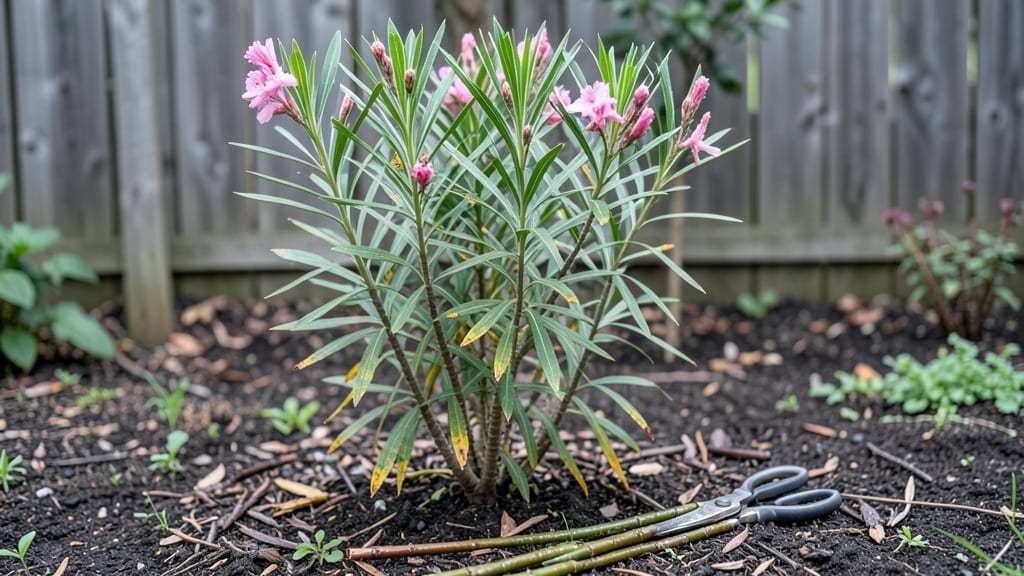
Pruning oleander plants transforms them from scraggly survivors into neighborhood showstoppers—and it only takes three strategic cuts a year. I’ve pruned mine for five seasons, and the difference between a wild, leggy bush and a compact, blooming powerhouse comes down to timing, technique, and knowing where to cut.
The key? Pruning isn’t about hacking away branches—it’s about encouraging new growth while keeping the plant’s natural shape. One wrong cut can set you back months, but once you master the rhythm, your oleander will reward you with glossy foliage and nonstop blooms from spring through fall.
You’ll need just three tools: sharp bypass pruners for clean cuts, loppers for thicker branches, and a pair of gloves—because oleander sap is toxic if it touches your skin.
The best time to prune is right after the last frost in early spring, again after summer blooms fade, and lightly in late summer to shape new growth. Most gardeners skip the summer trim, and that’s where the leggy look starts.
I learned that the hard way after my first oleander grew 3 feet of bare stem between spring and fall. The secret? Cut back by one-third each time to avoid shocking the plant, and always prune just above a leaf node or bud.
What you’re really after is that burst of fresh green that appears within weeks of pruning—new shoots emerge faster than you’d expect, and the plant fills in like magic. My oleander now blooms heavier in its second year than it ever did as a neglected shrub.
The flowers stay vibrant longer, and the shape stays tight enough to fit in small spaces or containers. Even better? Pruned oleanders resist pests better because they’re not overcrowded. Just avoid pruning in fall or winter, when the plant is dormant, or you’ll risk stunted growth come spring.
Here’s the part no one tells you: the first year is about cleaning up, but the real payoff comes in year two when your pruning habits create a self-sustaining cycle of healthy growth. Start small—just shape the outer branches first—and build confidence.
By next spring, you’ll be trimming with the precision of a pro, and your neighbors will be asking for your secrets. The tools stay simple, but the results? They’re what turn a basic shrub into a year-round star of your landscape.
📚 In This Guide
- What you need
- Instructions
- Tips and common mistakes
- Wrapping up and next steps
What you need
- ● Bypass pruners – Sharp, clean pruners (size 4-6 inches) for precise cuts on smaller stems.
- ● Loppers – Heavy-duty loppers (8-12 inches) for thicker branches (up to 2 inches in diameter).
- ● Pruning saw – A curved-tooth saw for stubborn, thick branches (over 2 inches).
- ● Gloves – Heavy-duty leather or nitrile-coated gloves to protect against sap and thorns.
- ● Disinfectant (70% isopropyl alcohol or bleach solution) – To sterilize tools between cuts and prevent disease.
- ● Heavy-duty trash bags – For disposing of pruned branches (oleander is toxic—wear gloves!).
- ● Rag or paper towels – For wiping down tools and sap residue.
- ○ Safety glasses – Optional but recommended if dealing with large branches.
- ● Pruning sealant – For larger cuts to prevent sap oozing (oleander sap can be sticky!).
- ● Ladder or step stool – If your oleander is tall (ensure it’s stable!).
- ● Sharpie or marker – To label cuts if training the plant for shape.
Step-by-Step instructions for oleander plant pruning
Pruning oleanders keeps them lush and flowering year-round—here’s how to do it right.
Prune After Spring Blooms to Encourage New Growth
Wait until 2-3 weeks after flowering before cutting back. This timing lets the plant store energy for next season. Use clean, sharp pruners to make cuts at a 45-degree angle just above a leaf node or bud. Oleanders respond well to pruning, but cutting too early removes next year’s flowers.
Remove up to one-third of the plant’s height if it’s overgrown. Focus on shaping the outer branches first—this opens up the center for better air circulation and sunlight. You’ll see fresh, vibrant growth emerge within 3-4 weeks if you prune at the right time.
Lightly Trim in Late Summer for Bushier Growth
In late August or early September, give oleanders a light maintenance trim to keep them compact. Cut back any leggy or overcrowded branches by one-third of their length, but avoid heavy pruning now—it can stimulate tender new growth that won’t survive winter.
Look for branches that cross or rub against each other and remove them entirely. This prevents disease and improves airflow. A well-pruned oleander will have a fuller shape by fall, ready for winter dormancy.
Minimal Winter Pruning to Remove Dead or Damaged Wood
After the first hard frost, inspect your oleander for dead, broken, or diseased branches. Use sterilized pruners to cut these out completely, making clean cuts just outside the branch collar. Avoid heavy pruning in winter—oleanders are semi-dormant and won’t regrow well until spring.
If you notice any blackened or mushy stems, prune those immediately to prevent fungal spread. A light winter cleanup keeps the plant healthy without stressing it before spring growth begins.
Shape and Deadhead Throughout the Growing Season
As your oleander grows, deadhead spent blooms regularly to encourage more flowers. Simply snip off the faded flower clusters just above a leaf node. This prevents seed formation and redirects the plant’s energy into producing new blooms.
Every 4-6 weeks, check for branches that are growing too long or out of shape. Trim them back by one-third to maintain a balanced, bushy form. You’ll notice a denser, more vibrant plant with consistent flowering if you stay on top of this.
Tips & tricks for perfect oleander plant pruning
Pruning oleanders might seem simple, but these key insights will help you avoid common mistakes and keep your plant thriving for years.
Timing is Everything: The 2-3 week wait after flowering in Step 1 is crucial—this gives the plant time to store energy for next season's blooms. I've seen people prune too early and end up with sparse flowering the following year. Mark your calendar based on when your oleander finishes blooming, and you'll notice a significant difference in next year's flower production.
Tool Preparation Matters: Sterilizing your pruners between cuts (especially important in Step 3) prevents spreading disease from any infected branches. I keep a small bottle of rubbing alcohol handy to wipe down my pruners after each cut. Clean tools also make cleaner cuts, which heal faster and reduce the risk of infection.
Shape with Purpose: When you're removing up to one-third of the plant's height in Step 1, think about creating an open center. This isn't just about aesthetics—better air circulation reduces humidity buildup, which prevents fungal diseases. I like to visualize the plant as an upside-down cone, with branches spreading outward rather than inward.
Seasonal Considerations: The late summer trim in Step 2 is about maintenance, not major restructuring. Heavy pruning now can stimulate tender growth that won't survive winter. I've learned this the hard way—last winter, I accidentally pruned too much in September, and several branches died back during our first frost. A light touch in summer keeps your oleander resilient.
Pro Tips for Oleander Plant Pruning
- Pruning oleanders might seem simple, but these key insights will help you avoid common mistakes and keep your plant thriving for years.
- Timing is Everything: The 2-3 week wait after flowering in Step 1 is crucial—this gives the plant time to store energy for next season's blooms.
- Tool Preparation Matters: Sterilizing your pruners between cuts (especially important in Step 3) prevents spreading disease from any infected branches.
Frequently asked questions
Got questions about oleander pruning? You’re not alone! Here are answers to the most common concerns—from timing to tools—to keep your plant thriving.
When is the best time to prune oleander?
The ideal time is late winter or early spring (just before new growth starts). You can also do light pruning after flowering to shape the plant. Avoid heavy cuts in fall—oleanders need time to harden off before winter.
Can I prune oleander anytime of year?
While you can trim anytime, avoid heavy pruning in summer heat or deep winter. Light shaping (removing dead blooms or leggy stems) is fine, but major cuts stress the plant. Spring and fall are the safest bets for big jobs!
What if my oleander doesn’t bloom after pruning?
Oleanders bloom on new wood, so prune too late (after buds form) or too aggressively (cutting back old wood). Solution: Prune in early spring, fertilize lightly, and ensure full sun. Patience helps—some varieties take 1–2 years to rebloom.
Do I need special tools for oleander pruning?
Basic tools work: bypass pruners (for small stems), loppers (thicker branches), and sterilized shears (to prevent disease). A sharp blade is key—dull tools crush stems, inviting pests. Disinfect tools with rubbing alcohol between cuts for hygiene.
What if my oleander looks sad after pruning?
Don’t panic! Oleanders bounce back. If leaves yellow (chlorosis) or stems wilt, check for over-pruning or root stress. Water deeply, avoid fertilizing for 4–6 weeks, and place in bright, indirect light while it recovers. Most plants perk up in 2–4 weeks.
Still stumped? Drop your oleander pruning dilemma in the comments—we’ve got you covered!
Wrapping up and next steps
Pruning your oleander plant is a simple yet powerful way to keep it thriving year-round! By mastering the three key cuts—spring shaping, summer thinning, and fall cleanup—you’ll encourage lush growth, vibrant blooms, and a healthier plant.
Remember, the right tools, timing, and technique make all the difference, so don’t hesitate to roll up your sleeves and give it a try.
Ready to take the next step? Start with one pruning session this season and observe how your oleander responds. Soon, you’ll be confidently shaping it like a pro! 🌿✂️