Propagation
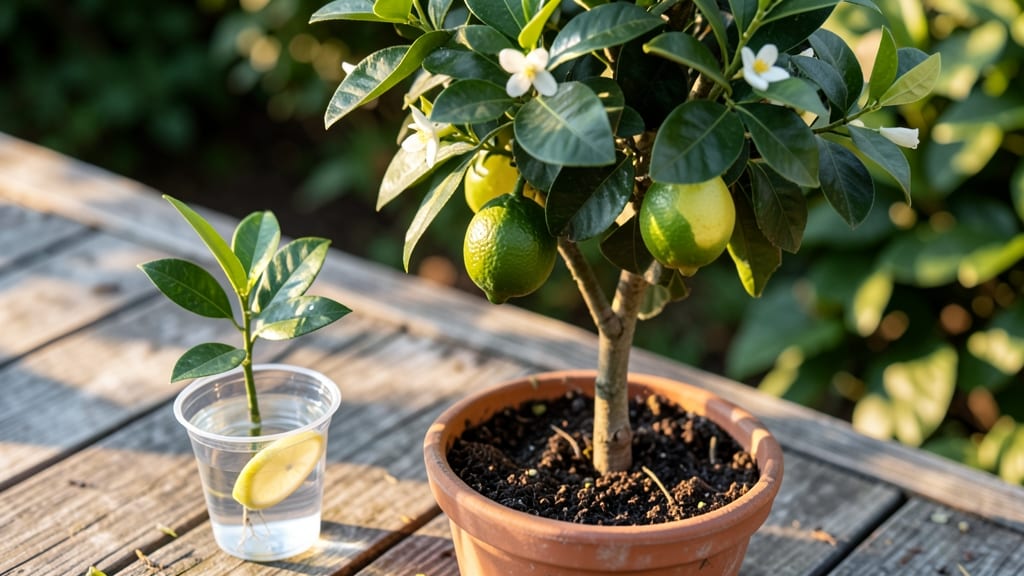
Lemon plant propagation is one of those gardening hacks that turns a $20 nursery plant into a free citrus tree—rooting cuttings in water or soil can have them sending roots in no time. 🌱 I’ve tried both methods, and the right approach makes all the difference. in just two weeks—no green thumb required.
The key is picking the right stem, keeping conditions just right, and knowing when to move them to soil.
You’ll need sharp pruners, a clean glass or pot, rooting hormone (optional but helpful), and a bright spot with indirect light. The best time to propagate is in late spring or early summer when the plant is actively growing.
Skip the seeds if you want a true lemon tree—they take years to fruit, but cuttings give you a ready-to-bloom plant in months.
Within two weeks, you’ll see tiny white roots forming at the stem’s base. Once they’re an inch long, transplant them into well-draining potting mix and keep the soil slightly moist.
The first few weeks are critical—too much water drowns the roots, but too little stalls growth. By autumn, your cutting could be a thriving 12-inch plant with real potential for fruit.
Common mistakes? Overwatering, using stems that are too old or too young, or placing them in direct sun too soon. But once you nail the basics, lemon propagation becomes a foolproof way to expand your citrus collection without breaking the bank. Ready to try it?
📚 In This Guide
- What you need
- Instructions
- Tips and common mistakes
- Wrapping up and next steps
What you need
- ● Healthy lemon plant cuttings: 4–6 inches long, with at least 2–3 leaf nodes (preferably from new growth).
- ● Sharp pruning shears or scissors: Sterilized to prevent disease (rubbing alcohol works great!).
- ○ Rooting hormone (optional but recommended): A gel or powder to boost root growth (e.g., Rootone).
- ● Clean water (for water propagation): Filtered or distilled (tap water can inhibit rooting).
- ● Small glass or jar (for water method): Wide-mouth, at least 8 oz, to fit your cutting.
- ● Well-draining potting mix (for soil method): A blend of perlite, vermiculite, or coco coir (avoid dense garden soil).
- ● Small pots or containers (for soil method): 4–6 inches in diameter, with drainage holes.
- ● Plastic bag or humidity dome: To retain moisture (a clear plastic wrap or a propagator works).
- ○ Spray bottle (optional): For misting cuttings to maintain humidity.
- ○ Clear tape or rubber band (optional): To secure the plastic bag in place.
Step-by-Step instructions for lemon plant propagation
Here's my foolproof method for growing new lemon trees from cuttings in just two weeks.
🌱 Step 1: Select and Prepare Healthy Cuttings
Choose 4-inch-long cuttings from the current year's growth—look for stems about as thick as a pencil with 3-4 leaf nodes. Use clean, sharp pruners to make a 45-degree angle cut just below a node. This angle increases surface area for root growth.
Remove all but the top 2-3 leaves to reduce moisture loss. If leaves are large, trim them in half to minimize stress on the cutting. I like to work in the morning when the plant is hydrated, making the cuttings more resilient.
💧 Step 2: Root in Water (Easier Method)
Fill a clean glass with room-temperature water and place your cuttings in it so the bottom node (where roots will form) is submerged. Use only enough water to cover the bottom 1 inch—any more risks rot. Change the water every 3-4 days to prevent bacterial growth.
Place the glass in bright, indirect light (no direct sun). You'll see tiny white roots appear in 7-14 days. Once roots reach 1-2 inches long, they're ready for planting. I keep a small notebook nearby to track root growth—it's satisfying to watch!
🪴 Step 3: Root Directly in Soil (Faster Transition)
Fill a 4-inch pot with well-draining potting mix (I use a blend of cactus mix and perlite). Make a hole with your finger and insert the cutting so the bottom node is just below the soil surface. Gently press the soil around it to secure it without compacting.
Water lightly until moisture seeps from the bottom, then place the pot in a plastic bag with a few holes punched in it. This creates humidity while allowing airflow. Keep the soil evenly moist (not soggy) and place in bright, indirect light. Roots should form in 2-3 weeks—check by gently tugging the cutting.
☀️ Step 4: Acclimate and Care for New Plants
Once roots are established (whether in water or soil), move your new lemon plant to bright light but avoid direct sun for the first week. Gradually increase sunlight over 10 days to prevent leaf burn. I start with 2-3 hours of morning sun and build up to full sun.
Water when the top inch of soil feels dry. Lemon plants hate soggy roots, so always use pots with drainage holes. Fertilize lightly with a balanced liquid fertilizer (half-strength) after 4 weeks to encourage growth. You'll know it's thriving when new leaves appear!
Tips & tricks for perfect lemon plant propagation
These simple tricks will help your lemon plant cuttings thrive and grow roots in record time.
Timing Tip: In Step 1, when selecting your 4-inch cuttings, focus on stems with 3-4 leaf nodes—these are the growth points where roots will emerge. I've found that cuttings taken in early morning have the highest success rate because the plant's moisture levels are optimal, giving your new cuttings a better chance to establish roots. The 45-degree angle cut is crucial too—it increases the surface area for root growth while keeping the cutting stable in water or soil.
Root Growth Secret: When rooting in water (Step 2), resist the urge to add more water than the bottom 1 inch—excess water leads to bacterial growth and rot. I've seen cuttings fail completely when submerged too deeply. Change the water every 3-4 days to keep it fresh, and watch for those tiny white roots appearing in just 7-14 days. If you're impatient, you can gently tug on the cutting after 10 days—if it resists slightly, roots are forming!
Soil Strategy: For the soil method (Step 3), I recommend using a blend of cactus mix and perlite for that perfect well-draining texture. The plastic bag with holes creates the ideal humidity environment while allowing airflow—critical for preventing mold. Keep the soil evenly moist (not soggy) and place your pot in bright, indirect light. After 2-3 weeks, you should feel resistance when gently tugging the cutting, indicating successful root formation.
Sunlight Transition: In Step 4, when acclimating your new plant to sunlight, I start with just 2-3 hours of morning sun and gradually increase over 10 days. This slow transition prevents leaf burn, which can happen quickly with lemon plants. I've seen many beginners rush this step and end up with brown, crispy leaves—don't make that mistake! The key is patience and gradual exposure.
Pro Tips for Lemon Plant Propagation
- These simple tricks will help your lemon plant cuttings thrive and grow roots in record time.
- Timing Tip: In Step 1, when selecting your 4-inch cuttings, focus on stems with 3-4 leaf nodes—these are the growth points where roots will emerge.
- Root Growth Secret: When rooting in water (Step 2), resist the urge to add more water than the bottom 1 inch—excess water leads to bacterial growth and rot.
Frequently asked questions
Got questions about propagating your lemon plant? You’re not alone—let’s tackle the most common ones to help you grow confidently!
Can I propagate a lemon plant from a store-bought lemon?
Yes! Store-bought lemons often have seeds that can sprout into new plants. Soak the seeds in water for 24 hours to soften the outer shell, then plant them in moist soil. Keep them warm and humid until germination (usually 2–4 weeks). Just know these seedlings may not be true to the parent plant’s variety.
How long does it take for lemon cuttings to root in water?
With patience, lemon cuttings typically root in water within 2–4 weeks. Place the cutting (with 2–3 nodes submerged) in filtered water, change the water every 3–5 days, and keep it in bright, indirect light. Roots should appear as tiny white strands—once they’re 1–2 inches long, transplant to soil!
Is it better to propagate lemon plants in water or soil?
Both methods work, but water propagation lets you monitor root growth, while soil propagation mimics natural conditions and reduces transplant shock. For beginners, water is easier—just ensure the cutting stays hydrated and avoid letting it dry out. Soil works well if you’re ready to commit to consistent moisture.
Why is my lemon cutting turning yellow or mushy?
Yellowing or mushy cuttings usually mean rot from overwatering or bacterial/fungal infection. If propagating in water, trim any soft, brown spots and switch to a fresh water change. In soil, ensure good drainage and avoid soggy conditions. Use a rooting hormone for extra protection if issues persist.
Can I propagate a Meyer lemon differently than a regular lemon?
Meyer lemons propagate similarly to regular lemons, but they’re more forgiving—they root faster and handle humidity better. Both varieties benefit from healthy, disease-free cuttings (4–6 inches long) with at least 2–3 nodes. Meyer lemons also tend to fruit earlier, so they’re a great choice for impatient gardeners!
Wrapping up and next steps
Propagating a lemon plant is a rewarding journey that connects you to nature while expanding your green thumb skills! Whether you choose water rooting or direct soil planting, patience and care will yield thriving new plants in just two weeks.
Remember, consistency is key—keep your cuttings happy, and soon you’ll be harvesting fresh lemons from your very own homegrown tree! 🌱
Ready to take the next step? Experiment with different methods or even try propagating other citrus varieties like limes or oranges. Happy growing—your future lemon harvest awaits! 🍋✨