Plants
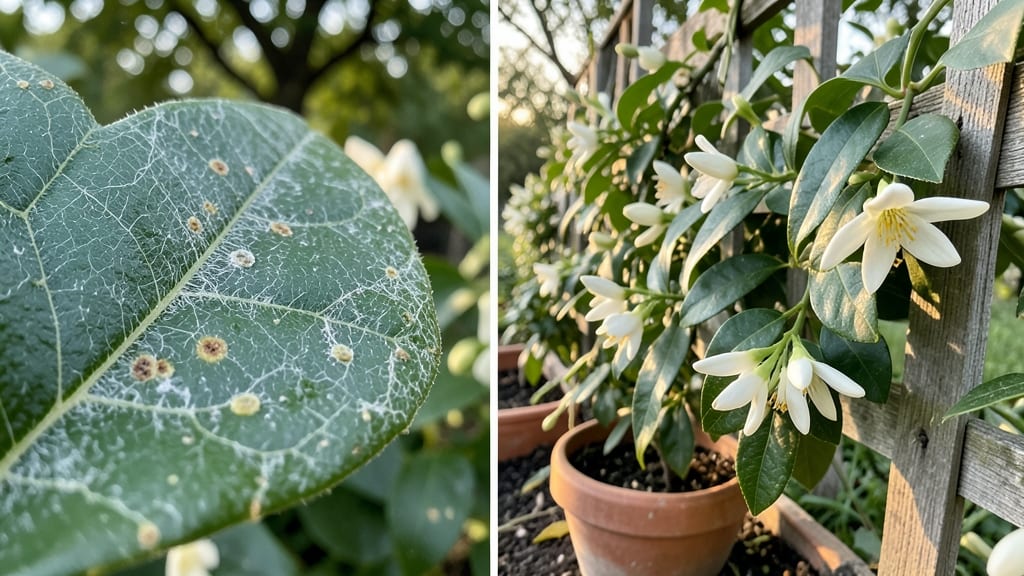
A jasmine plant fungus like powdery mildew can turn your fragrant climber into a sad, yellowing mess—unless you catch it early. 🌿 I’ve seen root rot turn stems mushy, but the good news?
Organic sprays and simple fixes can bring your jasmine back to life. The key is acting fast before the fungus spreads beyond control.
Most jasmine fungus starts with overwatering or poor airflow—wet leaves and crowded branches create the perfect breeding ground. You’ll spot powdery mildew as a chalky white coating on leaves, while root rot shows up as wilting despite damp soil.
The moment you see these signs, stop watering from above and prune back affected areas to improve circulation.
Neem oil spray or a baking soda mix (1 teaspoon per quart of water with a drop of dish soap) works wonders as a preventative and cure. Apply it weekly until the fungus clears, and always water at the base, not the leaves, to keep them dry.
Within a few weeks, your jasmine will bounce back with fresh, fragrant blooms.
For long-term protection, space your plants properly, avoid overhead watering, and mulch around the base to keep soil moisture balanced. A little prevention now means you’ll enjoy your jasmine’s sweet scent for seasons to come—without the fungal setbacks.
Root Causes Of Plant Fungus
Fungal infections in jasmine plants—whether star jasmine (Trachelospermum jasminoides) or common jasmine (Jasminum officinale)—are rarely random. They thrive due to specific environmental and care-related triggers. Understanding these root causes is the first step to prevention and organic treatment.
Below, we break down the most common culprits and why they create the perfect storm for fungal growth.
Fungi love moisture, and jasmine plants are particularly susceptible when their roots sit in soggy, waterlogged soil for extended periods. Here’s why this happens:
- Compacted or Heavy Soil: Clay or poorly amended soil doesn’t drain well, trapping excess water near the roots.
Fungi like Phytophthora and Pythium thrive in these conditions, causing root rot and stem cankers. - Overzealous Watering: Watering on a strict schedule—especially without checking soil moisture—leads to chronic wetness.
A quick finger test (inserting your finger 1–2 inches into the soil) should guide you: if it’s damp, wait. - Lack of Aeration: Dense soil blocks oxygen, weakening roots and making them easier targets for fungal pathogens. Solution: Amend soil with perlite, sand, or compost to improve airflow.
💡 Pro Tip: Use terracotta pots with drainage holes if growing in containers—they dry out faster than plastic. For in-ground plants, raise beds slightly to prevent water pooling.
Jasmine plants adore humidity, but excessive moisture in the air—especially when combined with poor airflow—creates a fungal paradise. Common offenders include:
- Crowded Plantings: When jasmine vines grow too close together, leaves brush against each other, trapping moisture and creating ideal conditions for powdery mildew (Erysiphe spp.) or downy mildew. - Poor Air Circulation: Greenhouses, shaded areas, or dense foliage restrict airflow, allowing fungal spores to settle and germinate on leaves.
Symptoms often appear as white powdery patches (powdery mildew) or yellow, greasy spots (downy mildew). - Nighttime Dew: While dew is natural, prolonged leaf wetness (especially in tropical climates) encourages fungal spores to activate and spread.
🌡️ Quick Fix: Space plants 6–12 inches apart and prune to improve airflow. If growing indoors, use a small fan on low to keep air moving.
A healthy jasmine plant can fight off minor fungal threats, but stress makes it vulnerable. Common stress factors include:
- Nutrient Deficiencies: Lack of phosphorus (P) or potassium (K) weakens cell walls, making plants more susceptible to infections like anthracnose (Colletotrichum spp.), which causes dark, sunken lesions.
- Physical Damage: Pruning cuts, insect bites (e.g., spider mites), or hail can create entry points for fungal spores.
- Environmental Shocks: Sudden temperature drops, frost damage, or heat stress (above 90°F) compromise the plant’s defenses.
💪 Preventative Care: Feed jasmine with a balanced organic fertilizer (10-10-10) in spring and early summer. Mulch with compost to retain moisture and nutrients without overwatering.
Fungi don’t just appear—they hitchhike on tools, soil, or even neighboring plants. Here’s how contamination spreads:
- Reused Pruning Tools: Fungal spores cling to dull or dirty shears, transferring to healthy plants when you prune. Botrytis cinerea (gray mold) is a notorious spreader this way.
- Infected Soil or Compost: Old garden soil, unsterilized potting mix, or compost with diseased plant debris can harbor dormant spores.
- Wind or Water Spread: Rain splashes spores from infected leaves onto healthy ones, while wind carries them over long distances.
✨ Sterilization Tip: Clean tools with 70% isopropyl alcohol or a 10% bleach solution between uses. For soil, solarize beds (cover with clear plastic for 4–6 weeks in summer) to kill pathogens naturally.
Some pests don’t just weaken plants—they actively invite fungi by creating wounds. Watch for:
- Spider Mites: These tiny pests pierce leaves, leaving behind a weakened surface where sooty mold (a fungal growth fed by honeydew) thrives.
- Aphids: Their sticky excretions (honeydew) attract black mold (Cladosporium), which coats leaves in a dark, velvety film.
- Scale Insects: These armored pests create open sores on stems, giving fungi like Phomopsis a direct entry point.
🔪 Pest Control: Spray with neem oil (1 tsp per quart of water) or introduce ladybugs to keep populations in check. Remove heavily infested leaves immediately.
Certain weather conditions supercharge fungal spores, making outbreaks more likely:
- Prolonged Rain or High Humidity: Fungi like rust (Puccinia spp.) and leaf spot (Septoria) spread rapidly in wet, warm conditions (70–80°F with high humidity).
- Cool, Damp Springs: Early-season fungal diseases (e.g., powdery mildew) often erupt when nights are cool but days warm, creating a dew-heavy environment.
- Stagnant Air in Greenhouses: Without ventilation, condensation builds up, mimicking a rainforest’s fungal-friendly climate.
🎯 Climate Hack: If you live in a humid area, water in the morning so leaves dry by evening. Use shade cloth in peak sun to reduce stress-related susceptibility.
Quick Fixes for Fungal Issues
Fungal infections on your jasmine plant can feel like a losing battle—but with the right approach, you can turn things around fast. Below are practical, organic solutions tailored to common causes, from overwatering to poor airflow.
Each fix includes a step-by-step guide and prevention tips to keep your jasmine thriving long-term.
Signs: Yellowing leaves, mushy stems, or a foul smell from the soil.
🔥 Fix It Now
- Stop Watering Immediately – Let the soil dry out completely before watering again. Stick your finger 1–2 inches into the soil; if it’s damp, wait.
- Repot if Needed – If roots are rotting (black, slimy, or crumbly), gently remove the plant, trim the bad roots with sterilized scissors, and repot in fresh, well-draining potting mix (add perlite or sand for extra aeration).
- Improve Drainage – Ensure pots have drainage holes and use a mix designed for succulents or tropical plants (e.g., 60% potting soil, 30% perlite, 10% orchid bark).
💡 Prevention Tips
- Water only when the top 1–2 inches of soil are dry (morning watering prevents evening moisture buildup).
- Use a self-watering pot with a moisture meter to avoid guesswork.
- Avoid saucers that trap water—empty excess water after 10 minutes.
Signs: White powdery patches, brown spots, or yellow leaves.
🍳 Organic Spray Remedy
- Neem Oil Spray (Best for early-stage fungus):
- Mix 1 tsp neem oil + 1 tsp mild soap + 1 quart water in a spray bottle.
- Shake well and spray both sides of leaves (focus on undersides where spores hide).
- Reapply every 7–10 days until new growth appears.
- Baking Soda Solution (For powdery mildew):
- Combine 1 tbsp baking soda + 1 tsp oil (coconut or olive) + 1 gallon water.
- Spray leaves early in the morning (avoid direct sunlight to prevent leaf burn).
- Copper Fungicide (For severe cases):
- Use an organic copper-based spray (like Bonide Copper Fungicide) as directed.
- Wear gloves—copper can irritate skin.
👨🍳 Clean-Up Routine
- Remove infected leaves with sterilized pruners (dip in rubbing alcohol first).
- Disinfect tools after pruning to prevent spreading spores.
🌡️ Prevention Tips
- Water at the base (not overhead) to keep leaves dry.
- Space plants 2–3 feet apart for airflow (fungus thrives in humidity).
- Rotate pots occasionally for even sun exposure (prevents damp spots).
Signs: Stunted growth, wilted leaves, or a musty soil smell.
🔪 Emergency Treatment
- Pull the Plant & Inspect Roots – Healthy roots are firm and white; rotten roots are brown/mushy.
- Trim Rotten Roots – Use sterilized scissors to cut away infected areas.
- Replant in Sterile Soil – - Mix 1 part compost + 1 part perlite (or use a fungicide-treated potting mix). - Add 1 tbsp cinnamon or mycorrhizal fungi to the soil to fight pathogens.
- Adjust Watering – Water only when soil is bone-dry for 2–3 weeks to shock the fungus.
⏰ Long-Term Fixes
- Use raised beds or containers if your garden has poor drainage.
- Solarize the soil (cover with clear plastic for 4–6 weeks in summer) to kill fungus naturally.
✨ Prevention Tips
- Test your soil for drainage issues (DIY: Fill a hole with water—if it drains in <30 mins, it’s good).
- Rotate crops if growing jasmine in the ground (don’t replant in the same spot for 2+ years).
- Add mulch (but keep it 3–4 inches away from stems to avoid moisture buildup).
Once you’ve treated the fungus, strengthen your jasmine’s defenses with these pro tips:
- Boost airflow – Use a small fan on low for 10 mins/day (mimics natural wind).
- Fertilize lightly – Use a balanced organic fertilizer (like fish emulsion) only after the plant shows new growth.
- Quarantine new plants – Keep them separate for 2 weeks to spot early signs of fungus.
Remember: Consistency is key! Fungal issues often return if conditions (like humidity or overwatering) aren’t addressed. With these fixes, your jasmine should bounce back—and stay healthy. 🌸
Frequently asked questions
What does jasmine fungus look like on leaves?
Powdery mildew appears as a chalky white coating on leaf surfaces, while downy mildew shows up as yellow, greasy patches on the undersides of leaves. Root rot causes brown, mushy stems and a foul soil odor. Black spots or velvety growth may indicate sooty mold from pests like aphids.
How often should I spray neem oil on jasmine plants?
Apply neem oil spray every 7-10 days until the fungus clears, then switch to monthly preventative sprays during humid seasons. Always mix with water and a drop of mild soap to help it stick to leaves. Early morning application works best to avoid leaf burn.
Can I still use my jasmine if it has fungus?
Yes, but treat it immediately! Remove severely infected leaves and stems, then apply organic fungicide. Lightly affected plants can recover fully with proper care. Avoid using flowers from infected plants for arrangements until the fungus is completely gone to prevent spreading spores.
Why does my jasmine keep getting fungus even after treatment?
Fungal infections often return due to unchanged growing conditions. Check for persistent issues like overwatering, poor airflow, or crowded plants. Improve drainage, space plants properly, and water at the base only. Consider using a small fan to increase airflow around your jasmine.
Is baking soda really effective against jasmine fungus?
Yes! A baking soda solution (1 tbsp baking soda + 1 tsp oil + 1 gallon water) works well for powdery mildew when applied weekly. The baking soda raises the leaf pH temporarily, making it inhospitable for fungal spores. For best results, spray early in the morning and avoid getting the solution on flowers.