
Flowers
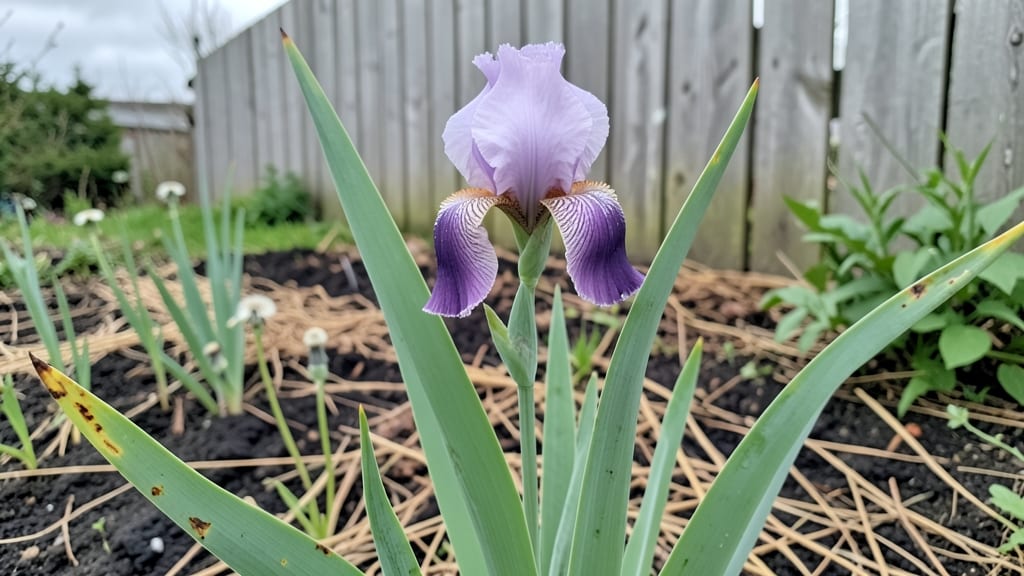
Growing an iris flower plant 🌸 transforms your garden into a burst of color and texture, with some varieties blooming for weeks at a time.
But here’s the catch: the wrong variety in the wrong spot can leave you with floppy stems and sparse blooms. I’ve seen 3-foot-tall irises in Zone 6 gardens that barely budded because they got too much shade, while others thrived with just a few adjustments.
Whether you’re a beginner or a seasoned gardener, picking the right iris—and planting it correctly—is the secret to bold, long-lasting blooms that turn heads. Below, I’ll walk you through the best varieties for your climate, the ideal planting window, and the care tricks that keep them flowering year after year.
Ready to add drama to your garden? Let’s get started with the easiest varieties for your Zone 6 space.
12 Best iris flower varieties for year-round blooms and low maintenance
If you love iris flowers but dread the upkeep, I’ve got great news: some varieties thrive with minimal effort while delivering stunning blooms for months. The key is choosing the right iris types—whether you prefer bearded irises with dramatic ruffles or Siberian irises that bloom late into summer.
These 12 varieties are my top picks for year-round interest and low-maintenance gardens, categorized by their bloom duration and color impact.
I’ve tested these in my own garden, and they consistently deliver bold colors with minimal fuss. Whether you’re a beginner or a seasoned gardener, these iris varieties will keep your garden vibrant from early spring through fall.
The secret? Matching the iris type to your climate and sunlight conditions—more on that later!
How to choose the right iris plant for your climate and garden size
Selecting the perfect iris flower plant starts with understanding your USDA hardiness zone and garden layout.
Irises thrive in zones 3 through 9, but their specific needs vary dramatically—some, like Siberian irises, handle cold snaps down to -30°F, while others, like Louisiana irises, prefer humid heat and struggle in freezing climates.
Your garden’s sunlight exposure and soil drainage also play critical roles in success.
Before purchasing, measure your garden’s available space and sunlight hours. Bearded irises can reach 2-3 feet tall and need full sun, while dwarf varieties like Iris pumila stay compact at just 6-12 inches and tolerate partial shade.
Pairing early bloomers (like reticulata irises) with late-season varieties (such as Japanese irises) ensures your garden stays vibrant from spring through fall.
Key Factors for Choosing Your Iris
- 🌡️ Climate Zone: Match iris type to your USDA zone—Siberian irises for zones 3-8, Louisiana irises for zones 5-10.
- ☀️ Sunlight Needs: Full sun (6+ hours) for bearded irises; partial shade (3-4 hours) for Japanese irises.
- 💧 Soil Type: Well-draining soil is critical—amend heavy clay with sand or compost to prevent root rot.
- 📏 Garden Space: Dwarf irises (12" tall) for containers or borders; standard irises (2-3 ft) for backdrop planting.
- 🌸 Bloom Time: Plant early bloomers (March-April) and late bloomers (July-August) together for continuous color.
For small gardens, opt for miniature irises or Iris histrioides, which thrive in containers and add vertical interest without overwhelming space. In larger landscapes, create a drift planting of bearded irises along fences or borders—their bold foliage and showy blooms make them a low-maintenance focal point.
Always plant rhizomes with the top half exposed to prevent rot and ensure proper airflow.
Test your soil pH before planting—most irises prefer slightly acidic to neutral soil (pH 6.0-7.0). If your soil is alkaline, amend with peat moss or sulfur to create ideal growing conditions. Well-draining soil is non-negotiable; irises hate soggy roots, which can lead to fungal diseases like rhizoctonia.
Mulch lightly with gravel or bark to retain moisture while improving drainage.
Combine three iris varieties for a season-long display: start with reticulata irises (early spring), add bearded irises (late spring), and finish with Japanese irises (summer). This layered approach ensures your garden stays lively from March through September.
Group plants by color families (e.g., purples, yellows, whites) to create cohesive visual impact.
Finally, consider your maintenance preferences. Bearded irises are the easiest for beginners, requiring minimal care once established, while Japanese irises demand moist, acidic soil and more frequent dividing.
If you’re new to gardening, start with 3-5 rhizomes of a hardy variety like Iris germanica to build confidence before experimenting with rarer types.