
Planting
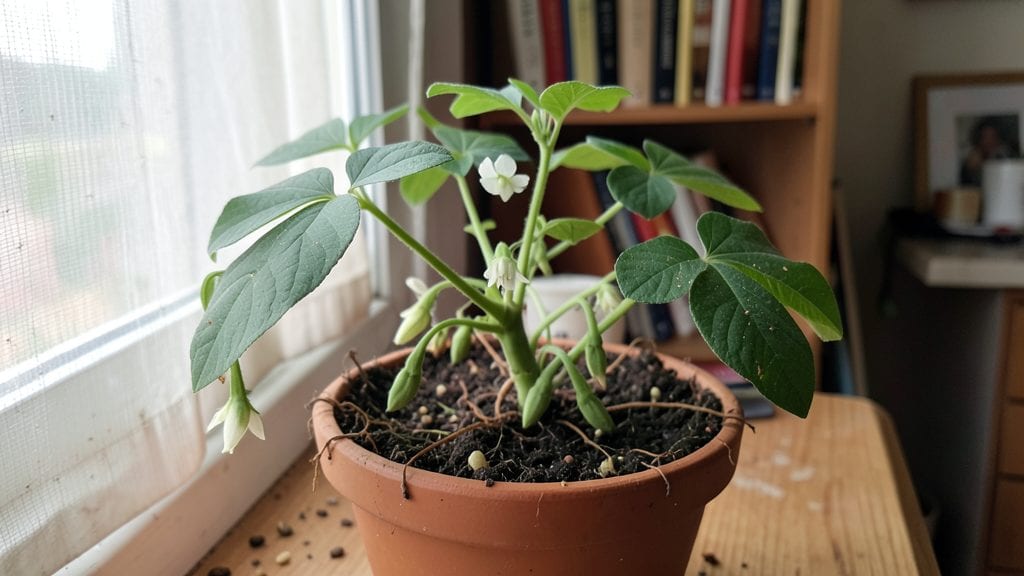
Growing an indoor bean plant transforms your windowsill into a lush, green oasis with minimal effort. 🌱 I’ve grown bush beans indoors for years, and the right variety—like Blue Lake or Scarlet Runner—makes all the difference.
They thrive in containers, produce edible pods, and even clean the air. The key is choosing a compact variety that won’t outgrow your space while still delivering a harvest.
You’ll need a 5-7 gallon container with drainage, well-draining potting mix, and a spot with 6-8 hours of sunlight daily—either from a south-facing window or a grow light. Water when the top inch of soil feels dry, and avoid soggy roots.
A balanced, water-soluble fertilizer every 4-6 weeks keeps them vigorous. Most beginners overwater, so let the soil dry slightly between waterings.
The payoff comes in 8-12 weeks when you’ll harvest tender pods straight from your indoor garden. The vines stay manageable with occasional pruning, and the scent of fresh beans lingers in the air.
Even if you’ve killed plants before, beans are forgiving—just keep the soil moist, not soaked, and watch them flourish.
This method works year-round, whether you’re in an apartment or a house with limited outdoor space. The same principles apply to dwarf varieties, pole beans, or even edible-flowering types like Scarlet Runner. Start small, and soon you’ll be harvesting beans indoors without the fuss of a backyard garden.
📚 In This Guide
- What you need
- Instructions
- Tips and common mistakes
- Wrapping up and next steps
What you need
- ● Bean Seeds: 3–5 pole bean or bush bean seeds (e.g., 'Blue Lake' or 'Scarlet Runner' for indoor success).
- ● Container: A 5–10 gallon pot (minimum 12" deep) with drainage holes. Terracotta or fabric pots work best.
- ● Potting Mix: 2–3 gallons of well-draining, organic potting soil (mix in perlite or coco coir for aeration).
- ● Support Structure: A trellis, bamboo stake, or tomato cage (6+ feet tall for pole beans).
- ● Watering Can: With a narrow spout to avoid soil erosion.
- ● Fertilizer: Balanced liquid fertilizer (e.g., 10-10-10) or compost tea for organic growth.
- ● A seed-starting tray (if pre-sprouting seeds indoors).
- ● Mulch (e.g., straw or shredded leaves) to retain moisture.
- ● A humidity dome or plastic wrap for seedling protection.
- ● Grow lights (if natural light is <12 hours/day).
- ● Pruning shears for trimming vines or dead leaves.
How to grow lush indoor bean plants for year-round harvests
Here's the straightforward method I use to coax healthy, vine-producing bean plants indoors—no greenhouse needed.
🌱 Step 1: Select Containers and Prepare Soil Mix
Start with 4-inch diameter pots for each plant (they’ll outgrow smaller containers fast). Fill each with 2 gallons of well-draining potting mix—never garden soil, because it compacts and suffocates roots. I add ½ cup perlite to each pot to prevent waterlogging, which beans hate. Press the mix down gently until it’s firm but not packed, creating a stable base for those deep taproots.
Beans need 60-70°F soil temperature to germinate, so place pots on a seedling heat mat if your home runs cooler. Pre-warm the soil for 24 hours before planting—this jumpstarts root growth. You’ll know it’s ready when the surface feels warm to the touch (like a cozy bath, not scalding).
💧 Step 2: Plant Seeds and Maintain Moisture
Drop 2-3 seeds per pot at a depth of 1 inch—that’s about twice the width of a bean seed. Planting too shallow risks drying out the seeds before sprouting. Cover lightly with additional mix, then water until the soil is evenly moist to 1 inch deep (use a moisture meter if you’re unsure).
Place pots in a humidity dome or cover with plastic wrap to trap warmth. Keep them in indirect light (no direct sun yet) until sprouts appear in 7-10 days. Avoid overwatering now—beans rot faster than they grow. Check moisture daily by lifting the pot; if it feels light, water again. You’ll see tiny white roots pushing through drainage holes in 2 weeks—that’s your signal to reduce watering slightly.
☀️ Step 3: Introduce Light and Support for Climbing
Once seedlings show first true leaves (not the initial seed leaves), move them to a south-facing window or under 12-14 hours of grow light daily. Beans need bright, indirect light to prevent leggy growth. If leaves stretch toward the light, your setup isn’t strong enough—adjust within 4 inches of the light source. You’ll notice sturdy stems and dark green leaves in 3-4 weeks, signaling healthy photosynthesis.
Install a 5-foot tall trellis or stake in each pot as soon as vines reach 6 inches. Gently tie the main stem to the support with soft twine—beans climb by twining, not clinging. Prune side shoots to 3 leaves to encourage upward growth. Watch for white flowers in 8-10 weeks; these signal pods will form in 2-3 weeks if pollinated properly.
✂️ Step 4: Harvest and Prune for Continuous Growth
Pick beans when pods are firm but slightly soft to the touch—usually 10-14 days after flowering. Harvesting encourages more flowers to form. Use scissors to snip stems ¼ inch above the pod to avoid damaging the vine. You’ll get 3-4 harvests per plant before growth slows in cooler months. After each harvest, fertilize lightly with ½ teaspoon balanced fertilizer (10-10-10) to replenish nutrients.
If vines yellow or slow growth, they’re phosphorus-deficient. Reduce watering immediately—beans rot in soggy soil. In winter, supplement with grow lights to maintain 12 hours of light daily. Prune dead leaves and leggy growth to redirect energy to flowering. With this care, your indoor beans will produce 2-3 times more than outdoor plants in the same space.
Tips & tricks for perfect indoor bean plant growth
Indoor bean plants thrive with the right care—here's what I've learned after growing them year-round without a greenhouse.
Soil Temperature Secret: That 24-hour pre-warming of your soil mix at 60-70°F is non-negotiable for germination. I use a seedling heat mat set to 70°F and wrap the pots in a towel to retain warmth. The soil should feel like a warm bath—not hot—when you test it with your finger. If your home runs cooler, extend the pre-warming to 36 hours to ensure consistent soil temperature throughout the pot.
The Light Factor: Those 12-14 hours of daily light are critical for photosynthesis, but quality matters more than quantity. Position your plants within 4 inches of grow lights to prevent leggy growth. I notice the difference immediately when leaves are dark green and compact rather than pale and stretched. If you're using natural light, rotate your pots weekly so all sides receive equal exposure—this prevents plants from growing toward one light source.
Watering Wisdom: The 2-week mark when you see roots emerging through drainage holes is your cue to adjust watering. After this point, let the top inch of soil dry out between waterings—beans hate soggy roots. I check moisture by lifting pots; if they feel light, it's time to water. Overwatering is the #1 killer of indoor bean plants, so err on the side of underwatering until you understand your plants' needs.
Harvest Timing: Those 10-14 days after flowering for harvest are a sweet spot—pods should be firm but slightly soft to the touch. I harvest every 2-3 days during peak production to encourage continuous flowering. Use clean scissors to snip stems ¼ inch above the pod; this prevents disease entry points while leaving enough stem for new pods to form. The first harvest is always the most abundant, so be prepared with containers!
Pro Tips for Indoor Bean Plant
- Indoor bean plants thrive with the right care—here's what I've learned after growing them year-round without a greenhouse.
- Soil Temperature Secret: That 24-hour pre-warming of your soil mix at 60-70°F is non-negotiable for germination.
- The Light Factor: Those 12-14 hours of daily light are critical for photosynthesis, but quality matters more than quantity.
Frequently asked questions
Got questions about growing your own indoor bean plant? You’re not alone! Here are some of the most common queries—plus quick, no-stress answers to keep your vines happy and healthy.
How much sunlight does an indoor bean plant really need?
Bean plants thrive with bright, indirect light for 6–8 hours daily. A south- or west-facing window is ideal, but if natural light is limited, supplement with a grow light (LED or fluorescent) 12 inches away. Avoid harsh direct sun—it can scorch delicate leaves!
How long does it take for beans to grow indoors?
From seed to harvest, expect 2–3 months for bush beans and 3–4 months for pole beans. Speed up growth with warm soil (70–80°F), consistent moisture, and a balanced fertilizer (like 10-10-10). Patience pays off—fresh beans are worth the wait!
Why are my bean leaves turning yellow?
Yellow leaves usually mean overwatering or nutrient deficiency. Check soil moisture—beans hate soggy roots! If the yellowing starts at the bottom, it’s likely overwatering. For nutrient issues, feed with a low-nitrogen fertilizer (like 5-10-10) every 4–6 weeks.
Can I grow beans indoors without a garden?
Use containers 12+ inches deep (for bush beans) or tall trellises (for pole beans). Opt for dwarf varieties like ‘Blue Lake’ or ‘Mascotte’ to save space. Just ensure pots have drainage holes and place them near a sunny window or under grow lights.
How do I keep pests away from my indoor bean plant?
Prevent pests with neem oil spray (mix 1 tsp neem oil + 1 tsp mild soap in 1 quart water) or insecticidal soap. Check leaves regularly for aphids or spider mites—early action is key! Boost plant health with balanced fertilizer to deter pests naturally.
Wrapping up and next steps
Growing an indoor bean plant is a rewarding journey that brings life, greenery, and even fresh snacks to your home—without the fuss! 🌱 With the right zero-fuss care, you’ll enjoy lush vines, tasty beans, and a space that thrives with minimal effort.
Whether you’re a beginner or a seasoned plant parent, this recipe makes it simple to nurture your own thriving indoor garden.
Ready to take the next step? Start with a single seed or cutting today—your future harvest (and happy plant) will thank you! 🌟