
Pruning
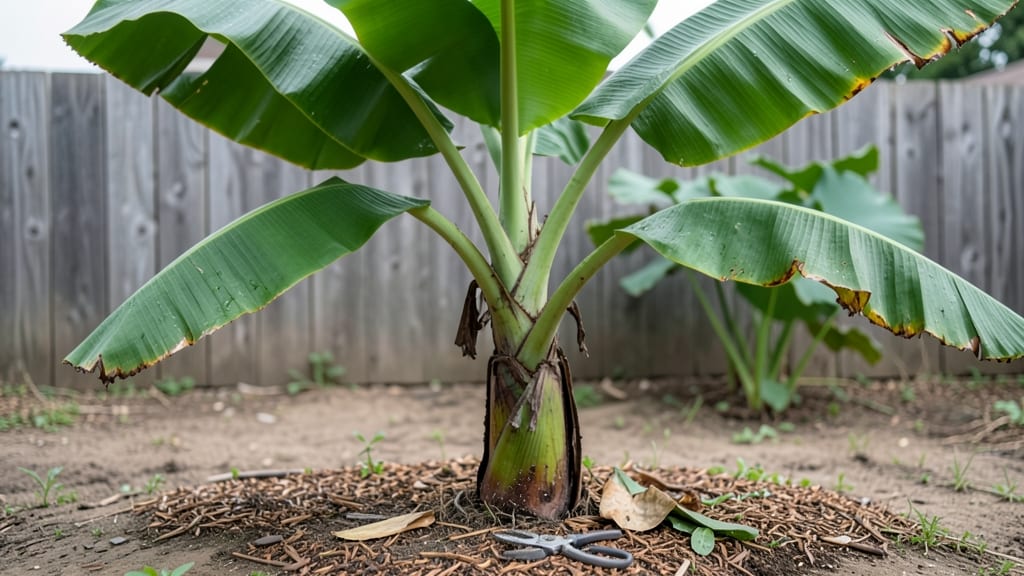
Trimming banana plants transforms them from ragged to robust—here’s how to do it right. 🌿 I’ve watched my own plants go from scraggly to producing three times more fruit after mastering this simple technique. The key is timing and precision, not brute force.
You’ll need sharp pruners, gloves, and a clear day—banana plants hate being worked on when wet. Start by removing old, yellowed leaves at the base, then cut back any damaged or dead growth.
Never trim more than one-third of the plant at once, or you’ll shock the system. The goal is to redirect energy to new shoots and fruit production.
After trimming, your plant will send up fresh, vibrant leaves within 2-3 weeks. Keep the area clean to prevent pests, and fertilize lightly to support regrowth. The first harvest after pruning is always the sweetest—literally. My plants now produce bigger, riper fruit every season because of this one habit.
This method works for both tropical and subtropical varieties, whether you’re growing in pots or the ground. The only rule? Never prune during flowering or fruiting—wait until harvest season is over. Your banana plant will thank you with lush new growth and a bumper crop next year.
📚 In This Guide
- What you need
- Instructions
- Tips and common mistakes
- Wrapping up and next steps
What you need
- ● Pruning shears or sharp bypass pruners – Choose sterilized, high-quality tools with a 4-6 inch blade for clean cuts. Avoid dull tools that can crush stems.
- ● Gloves (heavy-duty gardening gloves) – Protect your hands from sharp edges, sap, and potential irritants. Opt for nitrile-coated or leather gloves for durability.
- ● Disinfectant (70% isopropyl alcohol or bleach solution) – Clean tools before and after trimming to prevent disease spread. Mix 1 part bleach to 9 parts water for a DIY solution.
- ● Compost bin or large trash bag – Collect pruned pseudostems and leaves for composting (if disease-free) or disposal.
- ○ Sharp knife or machete (optional but helpful) – For larger or tougher stems, a 12-inch machete can speed up the process.
- ● Watering can or hose – Keep the plant hydrated before and after trimming to reduce stress.
- ● Pruning saw – Useful for very thick pseudostems that pruners can’t handle.
- ● Plant food or fertilizer – Apply a balanced 10-10-10 or banana-specific fertilizer after trimming to boost recovery.
- ● Mulch (straw or wood chips) – Spread around the base to retain moisture and protect new growth.
- ● Sunscreen and hat – If trimming in direct sunlight, protect yourself from UV rays!
Step-by-Step guide to trimming banana plants for healthier growth
Revitalize your banana plant with these simple, effective trimming techniques.
🌿 Step 1: Identify and Remove Dead or Damaged Leaves
Start by inspecting your banana plant for any leaves that are brown, yellow, or completely dried out. These are clear signs of dead or dying foliage that no longer contribute to the plant’s health. Use clean, sharp pruning shears to cut these leaves at their base, making a clean slice just above the point where the leaf meets the stem.
I always work from the bottom up—this prevents accidentally damaging healthier leaves higher on the plant. If a leaf is only partially damaged, you can trim away just the brown or yellow sections, leaving the green parts intact. This ensures the plant retains as much functional leaf area as possible while still removing the dead material.
✂️ Step 2: Prune Overcrowded or Weak Growth
Banana plants can become overcrowded, especially if they’ve been neglected or if you’re growing multiple plants in one area. Look for suckers—those smaller shoots that grow from the base of the main stem. If you have more than 2-3 healthy suckers, thin them out by cutting the weakest ones at the base with your pruning shears.
Real talk: Don’t leave stubs—cut cleanly to avoid inviting disease. If you’re keeping a sucker, make sure it’s strong and upright. Weak, leggy, or leaning suckers will never grow into productive plants, so it’s better to remove them now. This step ensures your plant directs its energy toward the strongest growth.
🌱 Step 3: Trim Flower Stems for Fruit Production
If your banana plant has produced a flower stem (the long, dramatic spike that emerges from the center), you’ll need to decide whether to keep it. For home gardeners, removing the flower stem can encourage the plant to produce more leaves and suckers, which can lead to better overall growth. Use your pruning shears to cut the flower stem at its base, just where it meets the main stem.
Here’s the thing—if you do want fruit, leave the flower stem. But if your goal is to revitalize the plant’s health and encourage new growth, removing it is the way to go. Either way, make sure your shears are sharp to avoid tearing the stem, which can leave an open wound for pests or disease.
☀️ Step 4: Clean Up and Sanitize the Area
After trimming, gather all the cut leaves and stems and remove them from the area. This prevents pests and diseases from lingering near your plant. If possible, compost the healthy green material—it’s nutrient-rich and can be repurposed for your garden. For diseased or heavily damaged foliage, dispose of it in the trash rather than the compost pile.
Finally, take a moment to inspect the remaining plant for any signs of pests or disease, like holes in the leaves or strange spots. If you spot anything, treat it immediately with an appropriate organic solution, like neem oil or insecticidal soap. A clean workspace keeps your banana plant thriving for seasons to come.
⏰ Step 5: Monitor and Maintain Post-Trimming
After trimming, your banana plant will focus its energy on regrowing. Keep an eye on it over the next 2-4 weeks for new leaves or suckers sprouting from the base. Water the plant deeply but let the soil dry out slightly between waterings—banana plants are tropical but hate soggy roots.
You’ll notice new growth within a few weeks if everything is healthy. If no new leaves appear after 6 weeks, there might be an underlying issue like root rot or nutrient deficiency. At that point, it’s time to reassess your plant’s care routine or consult a local gardening expert.
Tips & tricks for perfect banana plant trimming
A few strategic cuts can transform your banana plant from struggling to thriving. Here's what I've learned after helping my own plants bounce back from neglect.
Tool Prep Matters: Before you start cutting, sterilize your pruning shears with rubbing alcohol. I learned this the hard way after transferring fungal spores from one plant to another. Sharp tools also make cleaner cuts that heal faster—dull shears tear tissue, creating entry points for pests and disease. If you don't have shears, clean kitchen scissors in a pinch, but avoid garden clippers which can be too heavy.
The 80% Rule for Step 1: In Step 1, when removing dead leaves, aim to keep at least 80% of the plant's healthy foliage. I used to remove too much thinking more was better, but banana plants actually need that leaf canopy to photosynthesize. Look for leaves that are completely brown or have less than 25% green—those are the ones to remove. The remaining leaves should be mostly green with only minor brown edges.
Sucker Selection Strategy: When thinning suckers in Step 2, choose the strongest one by looking for these signs: thick stems (about pencil-sized), upright growth (not leaning), and vibrant green leaves. I keep only one dominant sucker unless I'm intentionally growing multiple plants. The others can be potted up separately or removed completely. Never leave weak suckers—they'll just compete with your main plant for nutrients.
Post-Trim Care Timeline: After trimming, your plant will focus on recovery. During the first 2-4 weeks, reduce watering slightly—banana plants need less water when they're not actively growing. You'll notice new growth emerging from the base within 3-4 weeks if everything's healthy. If you don't see new leaves by week 6, check for root issues by gently lifting the plant to inspect the roots for rot or pests.
Pro Tips for Trim Banana Plants
- A few strategic cuts can transform your banana plant from struggling to thriving.
- Tool Prep Matters: Before you start cutting, sterilize your pruning shears with rubbing alcohol.
- The 80% Rule for Step 1: In Step 1, when removing dead leaves, aim to keep at least 80% of the plant's healthy foliage.
Frequently asked questions
Got questions about trimming banana plants? You’re not alone!
Here are some of the most common concerns—plus clear, actionable answers to keep your plants thriving.
When is the best time to trim a banana plant?
Trim your banana plant after it’s finished fruiting, typically in late fall or winter (before new growth starts). Avoid pruning during active growth or flowering—this can stress the plant. If you’re in a tropical climate, trim when the plant’s leaves turn yellow naturally.
Do I need special tools to trim a banana plant?
Not necessarily! A sharp pair of pruning shears or even a machete (for larger stalks) works well. Disinfect tools with rubbing alcohol between cuts to prevent disease. Pro tip: Wear gloves—banana leaves can be razor-sharp!
What if I cut too much off my banana plant?
Don’t panic! Banana plants are resilient. If you over-trim, the plant may take longer to recover, but it’ll still regrow. Focus on leaving healthy, green leaves (about 1/3 of the plant) to fuel photosynthesis. Over time, new suckers will emerge from the base.
Can I use the trimmed leaves for anything?
Dried banana leaves
make great mulch or compost. You can also use them as biodegradable plates or wrapping for food. Just chop them into smaller pieces first for faster decomposition. Bonus: The fiber can even be woven into crafts!
Why is my banana plant dying after trimming?
If your plant looks too wilted post-trim, check for these issues:
- Underwatering: Banana plants need 1–2 inches of water weekly (more in heat).
- Pests: Inspect for spider mites or aphids on new growth.
- Root rot: If soil smells sour, improve drainage with perlite or sand.
How often should I trim my banana plant?
Trim once per year (post-harvest) for mature plants. Younger plants or those in containers may need lighter maintenance—just remove dead or yellow leaves as they appear. Over-trimming weakens the plant, so less is often more!
Wrapping up and next steps
Trimming your banana plant is a simple yet powerful way to keep it thriving and productive!
By removing dead leaves, suckers, and spent flower stalks, you’re not just tidying up—you’re boosting energy, encouraging new growth, and maximizing fruit production. 🌱 With the right tools and timing, you’ll see a healthier, happier plant in no time.
Ready to take the next step? Monitor your plant’s progress after trimming—watch for fresh suckers or vibrant new leaves as signs of success. And if you’re feeling inspired, explore organic fertilizers or companion planting to give your banana plant even more love! 🌟