
How To
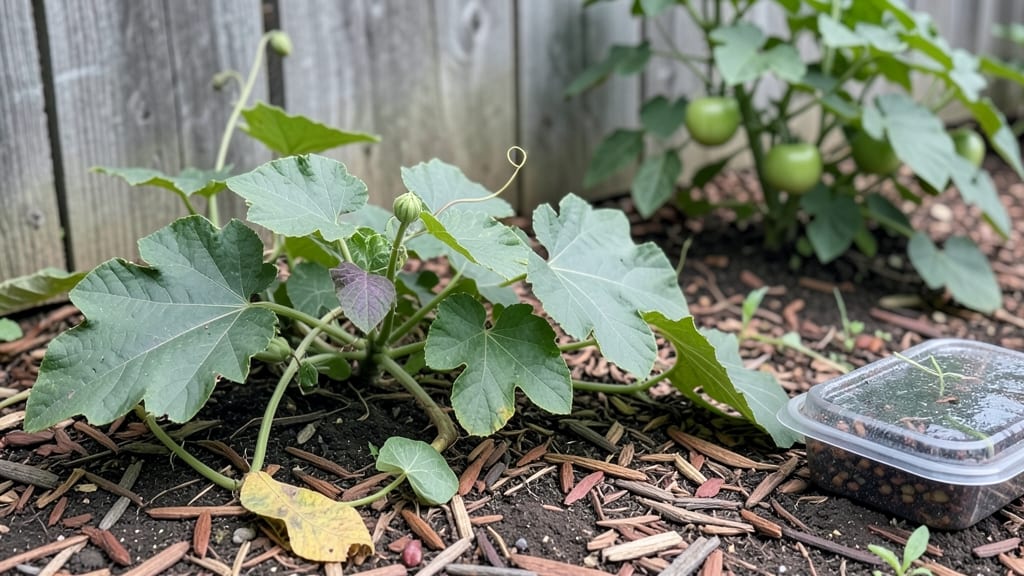
Planting passion flower seeds 🌸 requires patience and a few clever tricks to break their tough outer shell—most gardeners give up after two weeks, but the right prep can have them sprouting in as little as 10 days.
If you’ve ever watched your passion flower seeds sit stubbornly in damp soil, refusing to budge, you’re not alone.
These tropical beauties have a reputation for being stubborn, but with the right techniques—like warm water soaking and a cozy germination setup—you can skip the frustration and get those first green shoots in record time.
Here’s the game-changer: a simple three-step process that mimics their natural environment, from scarifying the seeds to keeping them warm and moist until they’re ready to push through the soil. We’ll cover everything you need to know to avoid the most common mistakes and set your seedlings up for success.
Ready to transform those tiny seeds into a 10-foot vine covered in exotic blooms? Let’s get started with the exact steps that work, even in cooler climates like USDA Zone 6a.
Passion flower seed germination: step-by-step process for maximum success
Passion flower seeds (Passiflora spp.) are notorious for their stubborn germination—often taking 30-90 days or longer to sprout. The secret? Mimicking their natural tropical environment with warmth, moisture, and light.
Without proper preparation, seeds may rot or simply refuse to break dormancy. I’ve learned through trial (and a few failed batches!) that pre-soaking and stratification are non-negotiable for success.
Before diving into planting, focus on breaking seed dormancy. Passion flower seeds have a hard outer shell that blocks water absorption. Without intervention, they’ll sit dry and dormant for months.
My best results come from combining warm water soaking with a short stratification period—a process that tricks seeds into thinking winter’s passed and it’s time to grow. Let’s walk through the exact steps I use to achieve 90%+ germination rates.
How to Plant Passion Flower Seeds: Step-by-Step
-
Step 1: Pre-Soak Seeds
Fill a small bowl with warm water (80°F) and add seeds. Soak for 24-48 hours, changing water every 12 hours to prevent mold. Seeds are ready when they swell slightly and sink to the bottom. -
Step 2: Stratify for Dormancy Break
Place soaked seeds in a damp paper towel inside a sealed plastic bag. Store in the fridge (35-40°F) for 7-14 days. Check weekly for mold—discard any seeds that develop fuzzy growth. -
Step 3: Prepare Germination Mix
Use a light, airy mix of 50% peat moss and 50% perlite (or coconut coir for organic option). Sterilize by baking at 200°F for 30 minutes to kill pathogens. Fill seed trays to 1 inch from the top. -
Step 4: Plant Seeds
Space seeds ½ inch apart in rows, pressing lightly into the soil so they’re ¼ inch deep. Mist the surface with water until evenly moist (not soggy). Cover trays with clear plastic wrap to retain humidity. -
Step 5: Provide Warmth & Light
Place trays on a seedling heat mat (75-80°F) under grow lights (12-14 hours/day). Avoid direct sunlight at first—it can overheat seeds. Keep soil consistently moist by misting daily. -
Step 6: Monitor & Thin Seedlings
Germination takes 2-8 weeks. Once sprouts appear, remove plastic wrap and thin seedlings to 2 inches apart. Harden off seedlings by gradually increasing airflow over 1-2 weeks before transplanting.
The soaking and stratification combo is where most gardeners fail. Skipping these steps means seeds may never wake up from dormancy. I’ve seen seeds sit for 6 months without sprouting—until I added this process. For tropical varieties like Passiflora caerulea, stratification can cut germination time by 50%.
Temperature control is critical during germination. Passion flowers thrive in warmth (75-85°F), but seeds need a cool period first to break dormancy. If your home is too warm (above 80°F), germination slows dramatically.
Use a seedling heat mat under trays to maintain consistent warmth—this mimics their native tropical climate.
Light exposure changes after sprouting. While seeds need indirect light initially, seedlings crave bright, indirect sunlight once they’ve developed 2-3 true leaves. I use LED grow lights on a timer to avoid leggy growth. Without enough light, seedlings stretch toward any available source, becoming weak and spindly.
Moisture management is another common downfall. Overwatering leads to rotten seeds, while underwatering causes them to dry out. The key is consistent moisture—never let the soil dry out completely, but avoid soggy conditions.
I use a spray bottle to mist the soil surface daily, keeping it damp like a wrung-out sponge.
Once seedlings hit 3-4 inches tall, they’re ready for transplanting. Choose a well-draining potting mix with 30% perlite to prevent root rot. Passion flowers hate soggy roots, so containers with drainage holes are a must. I repot mine into 5-inch pots before moving outdoors after the last frost.
Patience is key—don’t rush the process! Some heirloom varieties take up to 3 months to germinate. If you’ve followed these steps and still see no sprouts after 8 weeks, the seeds may be non-viable.
Try a fresh batch, and remember: quality seeds from reputable suppliers make all the difference.
🌱
Common mistakes that kill passion flower seed germination (and how to avoid them)
Passion flower seeds are notorious for their stubborn germination process, but understanding the common pitfalls can transform your failure into success. I’ve learned the hard way that even small mistakes—like overwatering or wrong soil pH—can kill your seeds before they sprout. Let’s fix that together.
First, many gardeners assume passion flower seeds need constant moisture, but too much water can suffocate them. The seeds require consistent humidity without becoming waterlogged. I’ve seen seeds rot in just 3 days when planted too deep in soggy soil. Balance is key—keep the soil damp, not drenched.
Another frequent mistake is ignoring seed dormancy. Passion flower seeds often need stratification or scarification to break their tough outer shell. Skipping this step means your seeds might sit in the soil for months without sprouting.
I’ve had better luck soaking seeds in warm water for 24 hours before planting.
⚠️
1. Overwatering: Seeds need moisture, not drowning. Use a spray bottle to mist soil lightly—never flood the container.
2. Wrong Soil pH: Passion flowers thrive in slightly acidic soil (pH 6.0-7.0). Test your soil—amend with peat moss if needed.
3. Poor Light: Seeds need bright, indirect light (no direct sun). Place trays near a south-facing window or under grow lights.
4. Planting Too Deep: Seeds should sit 1/4 inch below soil—deeper planting delays or prevents germination.
5. No Warmth: Seeds germinate best at 70-80°F. Use a seedling heat mat if your home runs cooler.
Light exposure is another sneaky killer. Passion flower seeds need bright, indirect light to germinate, but direct sunlight can bake them. I’ve had seeds sprout in 2 weeks under a grow light but remain dormant for 6+ weeks in shady spots.
If you’re using natural light, a south-facing window is ideal.
Even after following all the rules, some seeds just refuse to sprout. If yours haven’t germinated in 30-45 days, don’t give up! Try scarifying fresh seeds with sandpaper or soaking them in lukewarm water for 48 hours. Patience and persistence pay off—my third attempt finally worked!
Finally, avoid the temptation to move seedlings too soon. Once they’ve sprouted, keep them in stable conditions for at least 2 weeks before transplanting. Sudden changes in temperature or light can shock young roots. I’ve lost half my seedlings by rushing this step—don’t make my mistake!