
Propagation
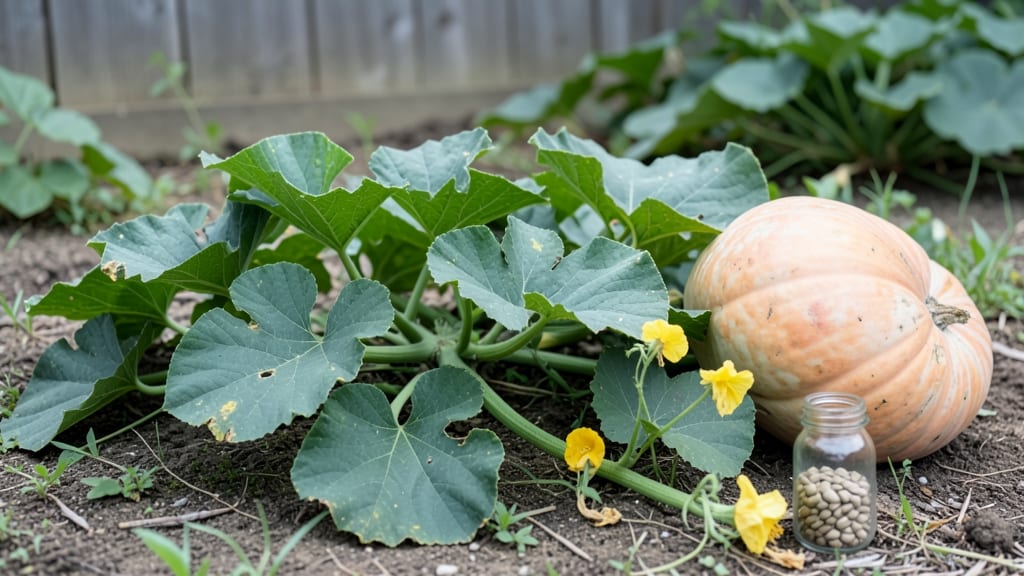
Keeping pumpkin seeds for planting works best within 4–6 months under ideal conditions, though properly stored seeds retain viability for up to 5–7 years. Moisture, temperature, and air exposure accelerate deterioration, so dry storage in sealed containers is critical.
Pumpkin seeds are surprisingly resilient when stored correctly, but their germination potential drops sharply after that 6-month mark due to natural aging processes.
The key to extending their life lies in mimicking their native environment—cool, dry conditions slow metabolic activity, which is why many gardeners opt for glass jars with desiccant packets in a dark pantry.
I've found that even seeds stored for years can still sprout if they've been kept below 40°F and protected from humidity fluctuations, though their vigor may diminish over time.
💡 In This Article
- Pumpkin Seed Viability Factors and Longevity Science
- Best Storage Methods to Preserve Pumpkin Seeds
Pumpkin seed viability factors and longevity science
Here's what's actually happening inside those pumpkin seeds: their lifespan hinges on three critical biological factors. First, moisture content must stay below 8-10%—any higher triggers fungal growth and enzymatic breakdown. Second, oxygen exposure accelerates lipid oxidation in the seed oils, creating free radicals that damage cellular membranes.
Third, temperature fluctuations disrupt the natural dormancy state, forcing premature metabolic activity that depletes stored energy reserves.
The optimal storage range of 32-40°F creates a near-dormant state for seeds, slowing respiration rates by up to 90% compared to room temperature. At 70°F, seeds lose viability 50% faster due to accelerated enzymatic activity.
The science gets even more precise: every 18°F drop below 77°F doubles seed longevity, which explains why root cellars outperform kitchen cabinets. 💫
Seed dormancy plays a fascinating role—pumpkin seeds enter a natural rest period after harvest, during which their germination inhibitors gradually break down. This process takes 3-6 months at room temperature, but can extend to 1-2 years in cold storage.
What most people don't realize is that even dormant seeds continue slow metabolic activity, consuming their starch reserves at a rate of about 0.5% per month when properly stored.
Oxygen becomes the silent killer in long-term storage. While complete air exclusion isn't ideal (seeds need some oxygen for minimal respiration), exposure to normal atmospheric levels causes oxidative damage at a rate of 1-2% per year.
This is why Mylar bags with oxygen absorbers outperform simple glass jars—reducing oxygen levels to 1% or below can extend viability by 20-30% over traditional methods.
Let's talk about that 5-7 year maximum claim. This extraordinary longevity occurs only when all three factors are perfectly controlled: ≤7% moisture, 32-40°F temperature, and minimal oxygen exposure. The record holder?
Pumpkin seeds stored in hermetically sealed glass jars with silica gel in a root cellar have been known to germinate after 9 years, though their germination rates typically drop below 50% after 5 years even under ideal conditions.
The real-world application? If you're saving seeds for next season's garden, focus on short-term storage (<6 months) using simple methods like paper envelopes in a cool, dark place.
For long-term preservation, invest in Mylar bags with oxygen absorbers and store at 35°F—this combination gives you the best balance between convenience and longevity.