
Plants
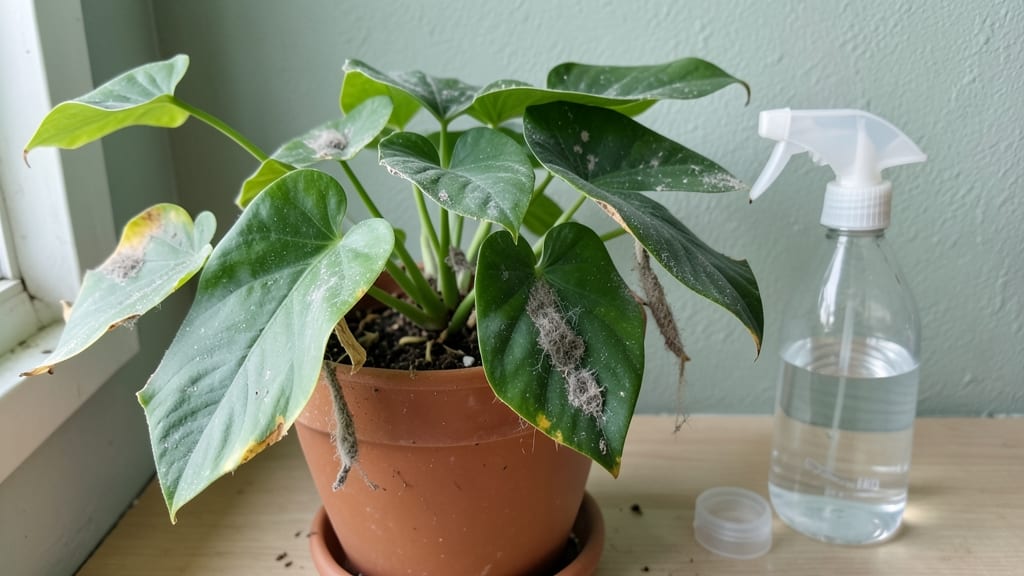
House plant fungus turns your green friends into sad, droopy messes—and I’ve seen it ruin collections faster than you can say "black spots." The good news? Most fungal issues are preventable once you know what to watch for, like powdery mildew on ferns or that nasty root rot smell.
I’ll walk you through how to spot these problems early, fix them without losing your plants, and keep your collection thriving all year.
Overwatering is the #1 culprit, but poor airflow, dirty pots, and even the wrong soil can invite fungus like an unwelcome houseguest. I’ve learned the hard way that letting soil dry between waterings and giving leaves room to breathe cuts down on 90% of fungal headaches.
The key is catching issues early—before mold turns into a full-blown crisis—so you can save your plants instead of replacing them.
You’ll learn how to trim infected leaves, when to use natural fungicides (like neem oil), and how to adjust your care routine to stop fungus in its tracks. By the end, your plants will look healthier than ever, and you’ll spot trouble before it spreads.
Let’s get your green babies back to their best—no more mystery wilting or slimy stems.
This works for everything from ferns to monstera, whether you’re dealing with surface mold or root rot. The same principles apply no matter your plant collection, so you’ll have a foolproof system for keeping fungus at bay. Ready to turn things around?
Underlying Causes Of Plant Fungus
Fungal infections in houseplants aren’t random—they thrive when specific conditions align. Understanding the root causes helps you spot risks early and adjust care routines before problems flare up. Below, we break down the science behind why fungi attack your leafy friends, complete with actionable insights.
Fungi love moisture, and indoor humidity (especially above 70%) creates the perfect breeding ground. Here’s why:
- Spores Need Water to Germinate: Fungal spores float in the air but require film-like moisture (like dew or damp soil) to activate.
Think of it like baking—fungi "cook" when humidity meets warmth. - Stagnant Air Traps Dampness: Poor airflow (common in bathrooms or closed rooms) lets humidity linger near leaves, where fungi latch onto stomata (tiny leaf pores) to invade. - Root Zone Over-Saturation: Overwatering or poorly draining pots turn soil into a soggy sponge, cutting off oxygen and inviting root-rotting fungi like Phytophthora or Pythium.
💡 Pro Tip: Use a hygrometer to monitor humidity. Aim for 40–60% for most plants, and boost airflow with a small fan or open windows.
Still air = fungal paradise. Without movement, spores settle and multiply unchecked. Key triggers:
- Crowded Plant Arrangements: Plants "breathe out" moisture through transpiration. Packing them too closely traps this vapor, creating micro-climates ideal for fungi like powdery mildew. - Low Light + High Humidity: Weak light reduces a plant’s ability to dry off quickly after watering.
Combine this with humidity, and you’ve got a fungal buffet. - Closed Grow Tents or Greenhouses: While great for propagation, these spaces often lack ventilation, leading to botrytis blight (gray mold) on delicate blooms.
✨ Fix It: Space plants 2–3 inches apart, and rotate them weekly for even airflow. A small oscillating fan on low can work wonders.
Water is essential, but how you deliver it makes all the difference. Common mistakes:
- Wet Leaves at Night: Leaves act like sponges when damp, especially in cool temps.
Overnight moisture invites downy mildew (a fuzzy, yellowing menace). - Using Tap Water with Chlorine/Fluoride: These chemicals can weaken plant defenses, making them more susceptible to infections like leaf spot. - Bottom-Watering Without Drainage: Even "drip irrigation" fails if pots lack holes. Root rot fungi (Fusarium, Rhizoctonia) thrive in waterlogged soil, blocking nutrient uptake.
🔥 Action Step: Water early in the day so leaves dry by evening. Use filtered or rainwater, and always check for drainage holes.
A weakened plant is like an open door for fungi. Stressors include:
- Physical Damage: Pruning cuts, pest bites (like spider mites), or even sap-sucking insects create entry points for fungi like anthracnose. - Nutrient Deficiencies: Lack of magnesium (a key mineral for cell walls) or phosphorus (energy for repair) leaves plants vulnerable.
Yellowing leaves? Often a sign of fungal opportunism. - Sudden Environmental Shifts: Moving a plant from bright sun to shade (or vice versa) shocks its systems, lowering resistance to rust fungi or black spot.
🎯 Prevention: Quarantine new plants for 2 weeks, and fertilize with a balanced, organic mix (like fish emulsion) to boost immunity.
Fungi hitchhike on unsuspecting tools and mediums. How?
- Dirty Pruners or Pots: Old potting mix or shared tools can harbor latent fungal spores. Even a tiny smear of infected soil on shears can contaminate a healthy plant. - Reused or Unsterilized Soil: Old soil may contain dormant fungal propagules (like Rhizoctonia).
Sterilizing with baking soda (1 tsp/gallon of water) or hydrogen peroxide (3%) kills many pathogens. - Infected Propagation Cuttings: Taking cuttings from a sick plant? You’re guaranteeing the disease spreads to new growth.
🔪 Solution: Sterilize tools with 70% isopropyl alcohol or a 10-minute bleach soak (1 part bleach to 9 parts water). Repot with fresh, sterile mix every 1–2 years.
Fungi love consistency—but not the kind that keeps plants healthy. Extreme swings create stress:
- Cold Drafts + Warmth: Drafty windows or AC vents chill roots while leaves stay warm, creating condensation hotspots for **gray mold (Botrytis).
- Heaters in Winter: Dry air from heaters might seem helpful, but low humidity + high temps = fungal spores germinate faster.
- Outdoor Plants Brought Inside: Sudden indoor warmth after a cool night can trigger sudden fungal outbreaks on foliage.
🌡️ Ideal Range: Keep temps stable between 65–75°F (18–24°C). Avoid placing plants near vents, doors, or fireplaces.
Fungal infections follow predictable patterns based on physics, biology, and plant health. By addressing these root causes—humidity, airflow, water habits, stress, and hygiene—you’re not just treating symptoms; you’re starving the problem at its source**. Next up: how to spot these issues before they spread. 🚀
How to Treat and Prevent Fungal Issues
Fungal infections in houseplants can feel like a battle, but with the right approach, you can save your greenery and keep it thriving. Below, we’ve mapped out practical solutions for common fungal issues, from overwatering woes to airborne spores, along with prevention tips to stop future outbreaks.
Think of this as your plant’s first-aid kit—easy steps for quick fixes!
Signs: Yellowing leaves, mushy stems, foul smell from soil, or plants toppling over. Cause: Soggy soil suffocates roots, creating the perfect damp breeding ground for fungi like Phytophthora or Pythium.
🔥 Step-by-Step Fix:
- 👨🍳 Remove the Plant Gently
- Carefully pull the plant from its pot. Shake off excess soil to inspect roots.
- 🔪 Trim the Damage
- Use sterilized scissors (wipe with rubbing alcohol) to cut away:
- Black, brown, or mushy roots (healthy roots are firm and white).
- Any leaves showing rot or discoloration.
- Use sterilized scissors (wipe with rubbing alcohol) to cut away:
- 🌡️ Disinfect the Roots (Optional but Helpful)
- Soak roots in a 1:10 hydrogen peroxide solution (3% peroxide + water) for 10 minutes to kill fungi. Rinse thoroughly.
- 🍳 Repot in Fresh Soil
- Choose a well-draining potting mix (add perlite or orchid bark for aeration).
- Use a clean pot (sterilize with boiling water or bleach solution).
- Pro Tip: Add a layer of gravel or charcoal at the bottom to improve drainage.
- ⏰ Adjust Watering Habits
- Wait until the top 1–2 inches of soil are dry before watering again.
- Use pots with drainage holes and a saucer (empty excess water after 30 minutes).
- Consider self-watering pots or moisture meters for consistency.
💡 Prevention Tips:
- Water less frequently—most houseplants prefer slightly dry soil over soggy conditions.
- Avoid bottom-watering if your plant is prone to rot (top-watering gives you more control).
- Use terracotta pots (they wick away moisture faster than plastic).
Signs: White, powdery patches on leaves (like dust), stunted growth, or leaves curling. Cause: Fungal spores thrive in humid, low-light conditions (common on succulents, ferns, and impatiens).
🔥 Step-by-Step Fix:
- 🌿 Isolate the Plant
- Move it away from other plants to prevent spores from spreading.
- 🧼 Clean the Leaves
- Gently wipe leaves with a damp cloth (mix water + a drop of mild dish soap).
- For stubborn patches, use a soft toothbrush dipped in neem oil solution (1 tsp neem oil + 1 quart water).
- 💦 Spray Fungicide (Natural or Store-Bought)
- DIY Spray: Mix 1 tsp baking soda + 1 quart water + a few drops of soap. Spray every 7–10 days until cleared.
- Store-Bought: Use copper fungicide or potassium bicarbonate spray (follow label instructions).
- 🌞 Improve Airflow & Light
- Increase airflow by spacing plants apart or using a small fan (set to low).
- Move to brighter light (but avoid direct sun, which can scorch treated leaves).
💡 Prevention Tips:
- Wipe leaves regularly with a damp cloth to remove dust (prevents spore attachment).
- Avoid overhead watering—water at the base instead.
- Space plants at least 6 inches apart for better airflow.
Signs: Yellow patches on top leaves, fuzzy purple or gray growth on undersides. Cause: A water-loving fungus that spreads in cool, damp conditions (common on basil, impatiens, and coleus).
🔥 Step-by-Step Fix:
- 🗑️ Remove Infected Leaves Immediately
- Snip off yellowed or fuzzy leaves and dispose of them in the trash (not compost).
- 🌧️ Adjust Watering & Humidity
- Water early in the day so leaves dry quickly.
- Reduce humidity around the plant (use a dehumidifier or AC if needed).
- 🍄 Apply Fungicide
- Copper fungicide or baking soda spray (recipe above) works well.
- Reapply every 5–7 days until the plant recovers.
- 🔄 Rotate Plant Position
- If possible, rotate the plant weekly to ensure even light exposure (prevents stress).
💡 Prevention Tips:
- Avoid wetting leaves when watering—use a watering wand or drip irrigation.
- Space plants for airflow and prune regularly to improve circulation.
- Disinfect pruners between cuts to avoid spreading spores.
Signs: Dark, sunken spots on stems/leaves, wilting, or stems turning black. Cause: Fungi like Botrytis or Alternaria thrive in high humidity and poor sanitation.
🔥 Step-by-Step Fix:
- 🔪 Prune Back Severely
- Cut off blackened or mushy stems down to healthy green tissue.
- 🧴 Treat Cuts with Fungicide
- Dip pruned areas in cinnamon powder or hydrogen peroxide (3%) to prevent further infection.
- 🌿 Repot in Sterile Soil
- Use fresh potting mix and a clean pot.
- Pro Tip: Add 1 part sand or perlite to improve drainage.
- 🚫 Quarantine & Monitor
- Keep the plant isolated for 2–3 weeks and watch for new spots.
💡 Prevention Tips:
- Sterilize tools before and after pruning (rubbing alcohol works).
- Avoid overcrowding—fungi spread faster in tight spaces.
- Wipe leaves with a vinegar solution (1:10 ratio) monthly to deter spores.
Fungal issues are 90% preventable with these easy habits:
- 🌡️ Monitor humidity—ideal range is 40–60% (use a hygrometer).
- 💨 Improve airflow—fans, proper spacing, and occasional pruning help.
- 🧼 Clean regularly—dust leaves and sanitize pots/soil every few months.
- 🌿 Quarantine new plants for 2–4 weeks to spot early signs of fungus.
Remember: Fungi love moisture, warmth, and stress—remove one of these, and you’ve already won half the battle! With these steps, your plants will bounce back stronger (and fungus-free) in no time. 🌿💪
Frequently asked questions about house plant fungal issues
What are the first signs my houseplant has fungus?
Watch for white powdery coatings (powdery mildew), yellow/brown leaf spots (leaf spot), or fuzzy growth on undersides (downy mildew). Root rot shows as mushy stems and a foul soil smell. Check leaves and soil weekly for early detection.
Can I save a plant with fungal root rot?
Yes, but act fast! Remove the plant, trim all mushy roots, and repot in sterile, well-draining soil. Use hydrogen peroxide (3%) to disinfect roots before replanting. Reduce watering immediately to prevent recurrence.
Is neem oil safe for treating fungal infections?
Neem oil helps prevent fungal spread (especially powdery mildew) but isn’t a cure. Mix 1 tsp neem oil + 1 quart water + a drop of soap and spray leaves. For active infections, combine with copper fungicide for better results.
Why does fungus keep coming back after treatment?
Fungi thrive in persistent dampness or poor airflow. Fix the root cause: adjust watering habits, improve ventilation with a fan, and sterilize pots/soil every 6 months. Fungal spores can linger in old soil or tools.
How do I prevent fungus when propagating cuttings?
Use sterilized scissors and rooting hormone to reduce stress. Plant in perlite-heavy mix and avoid overhead watering. Keep humidity below 60% and place cuttings in bright, indirect light to speed drying.