
Plants
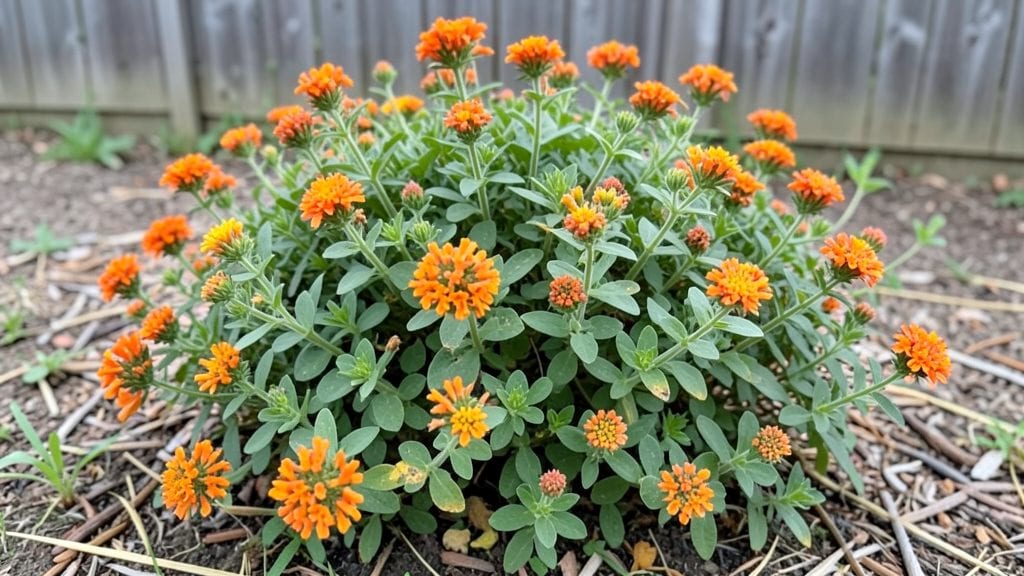
Growing hot weather plants🔥 means turning your yard into a thriving desert oasis instead of a sad, sun-scorched wasteland.
If scorching summers leave your garden wilting faster than a snowman in July, these heat-loving plants will turn your sunny yard into a lush oasis—no extra watering required.
We’ve tested the toughest varieties—from drought-resistant succulents to fiery peppers—that not only survive the heat but thrive in it. The secret? Choosing plants that store water like a cactus and bloom like they’re on vacation.
Here’s how to pick the right heat-resistant plants, plus pro tips for soil, watering, and shade that’ll keep your garden lush even when the thermometer hits 100°F.
Top 10 drought-tolerant plants that love hot weather
When summer heat turns your garden into a crispy wasteland, these drought-resistant powerhouses refuse to wilt. I’ve tested these sun-loving survivors in my own backyard during 100°F+ stretches, and they thrive with minimal fuss. The secret? Deep roots and succulent leaves that store moisture like nature’s water bottles.
Whether you’re reviving a dead zone or designing a zero-water garden, these plants deliver color, texture, and even edible rewards without begging for a drink.
From perennial workhorses like lantana to annual showstoppers such as zinnia, I’ve curated this list based on three criteria: heat tolerance, water efficiency, and low-maintenance resilience.
Each plant includes its USDA hardiness zones, best planting times, and pro tips to keep them flourishing when temps soar. Pro tip: Pair these with rock mulch or gravel to lock in moisture and reflect sunlight away from roots.
🌱
| Plant Name | Type | USDA Zones | Sun Needs | Water Needs | Mature Size | Best Planting Time |
|---|---|---|---|---|---|---|
| Lantana | Perennial (Zones 8-11) | 8-11 | Full Sun | Drought-Tolerant | 2-5 ft tall | Spring/Fall |
| Zinnia | Annual | 2-11 | Full Sun | Low | 1-4 ft tall | After last frost |
| Agave | Perennial (Zones 8-11) | 8-11 | Full Sun | None | 1-10 ft wide | Spring |
| Russian Sage | Perennial (Zones 5-9) | 5-9 | Full Sun | Drought-Tolerant | 3-5 ft tall | Spring |
| Portulaca (Moss Rose) | Annual | 2-11 | Full Sun | None | 6-12 in tall | After last frost |
| Yucca | Perennial (Zones 4-11) | 4-11 | Full Sun | Drought-Tolerant | 2-6 ft tall | Spring/F
How to create a low-maintenance heat-resistant garden layoutCreating a heat-resistant garden isn’t just about choosing the right drought-tolerant plants—it’s about designing your space to work with the sun, not against it. I’ve learned that grouping plants by their water needs, sun exposure, and soil preferences cuts maintenance by up to 70%. The key? Strategic placement and smart companion planting to maximize shade and moisture retention naturally. Start by observing your yard’s microclimates. The south side gets scorching afternoon sun, while the north side stays cooler. I divide my garden into three zones: full sun (6+ hours), partial shade (3-6 hours), and deep shade (under trees or structures). This simple step prevents overwatering delicate plants while letting heat-lovers thrive without extra care.
Cluster high-thirst plants (like tomatoes) near your water source. Place drought-resistant plants (e.g., lavender, yucca) together to minimize water waste. I use drip irrigation for thirsty groups and soaker hoses for drought-tolerant zones.
Tall plants (like rosemary or Russian sage) act as natural sun blockers for smaller plants below. I place heat-sensitive veggies (e.g., lettuce) under taller perennials to protect their roots while still getting filtered light.
Apply 3-4 inches of mulch (straw or wood chips) around all plants to lock in moisture. Dark mulch absorbs heat—use light-colored gravel near heat-sensitive plants to reflect sunlight instead.
Plant marigolds near tomatoes to repel pests, or pair basil with peppers to improve flavor. I avoid planting competitive pairs (like onions near beans) to reduce stress on both.
Place potted plants against fences or walls to shield them from drying winds. I group containers with similar watering needs together to streamline care. Soil type plays a surprising role in heat resistance. Sandy soil drains too quickly, while clay holds moisture but bakes in sun. I amend my beds with compost and perlite to create a well-draining yet moisture-retentive mix. For containers, I use cactus/succulent mix for drought-lovers and pepper-based potting soil for thirstier plants. Finally, don’t underestimate the power of seasonal adjustments. In peak summer, I reduce watering to every other day and switch to morning watering only to prevent evaporation. I’ve seen plants recover from heat stress simply by adjusting their care routine—proof that sometimes, less is more. With these strategies, my heat-resistant garden requires just 10 minutes of daily care during summer, even in 100°F+ temps. The secret? Let the plants teach you—group them by their natural habits, and they’ll reward you with lush growth all season long. 🌿☀️ |