Pests
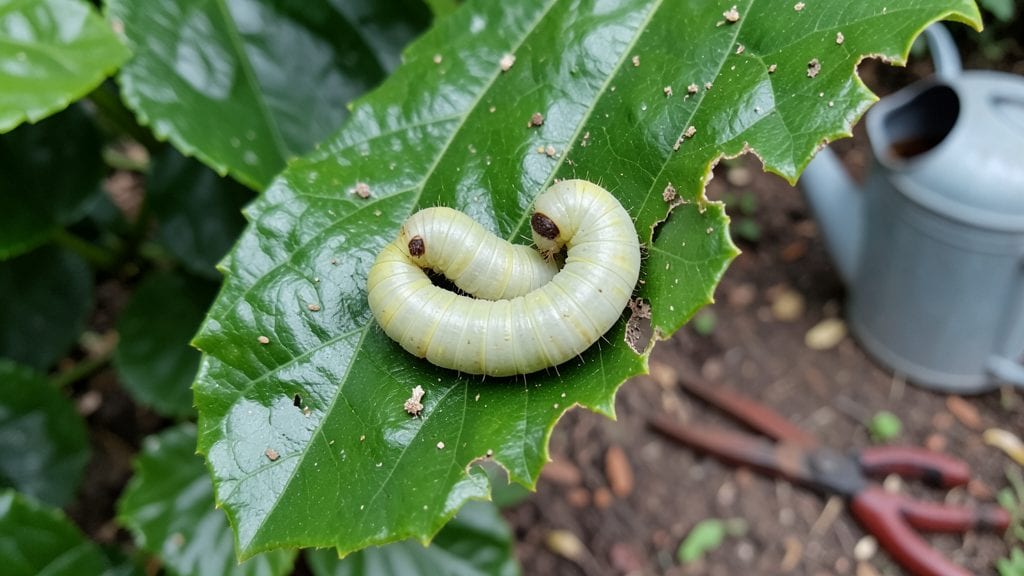
Hibiscus worms can turn your lush plants into skeleton leaves overnight. 🌿 I’ve watched caterpillars strip entire bushes in a single night, and the frustration is real—but there’s a way to fight back without harming your plants or the local ecosystem.
The key is knowing which worms are attacking (cutworms, tomato hornworms, or even root-knot nematodes) and how to spot the damage before it’s too late.
Most gardeners reach for pesticides first, but that’s overkill. Instead, I’ve found a mix of handpicking (yes, really), neem oil sprays, and companion planting with marigolds or basil works just as well.
The secret? Act fast—once those worms move in, they multiply quickly, and your hibiscus loses its vibrant green leaves faster than you can say "humane solutions."
By the time you’re done, your hibiscus will bounce back with healthier foliage and fewer surprises. You’ll recognize the early signs of trouble, know exactly which pests to watch for, and have a foolproof plan to keep them away. The best part? No harsh chemicals—just smart, sustainable fixes that work.
Works for both container and in-ground hibiscus, and the same principles apply to other tropical plants like bougainvillea or plumeria. Let’s get your hibiscus thriving again—without the worm warzone.
Root Causes of Worm Infestations
Understanding why worms invade your hibiscus plants is the first step to protecting them. These pests don’t just appear out of nowhere—they’re drawn to specific conditions that make your plants vulnerable.
Below, we break down the key triggers and the science behind them, so you can address the problem at its source.
Worms like hibiscus borers and root-knot nematodes thrive in soil that’s too damp and nutrient-heavy. Here’s why:
- Excess organic matter (like over-fertilized compost or decaying leaves) creates a feast for larvae and worms. They burrow deeper into the soil, where they’re harder to spot and remove. - Poor drainage traps moisture, mimicking their natural swampy habitats.
Without airflow, roots weaken, making them easier targets for pests. - High nitrogen levels (from synthetic fertilizers or manure) attract worms by signaling a "fertile" environment—even if it’s harming your plant.
Actionable fix: Amend soil with sand, perlite, or coconut coir to improve drainage. Use slow-release, balanced fertilizers (like 10-10-10) instead of heavy nitrogen boosts.
A hibiscus plant under stress is like an open invitation for worms. Common stressors include:
| Stress Factor | Why It Attracts Worms | How to Prevent It |
|---|---|---|
| Drought | Roots become brittle; worms exploit cracks. | Water deeply 2–3 times per week (check soil moisture). |
| Sunburn or Frost | Damaged leaves = weakened immune response. | Provide afternoon shade in hot climates. |
| Root Damage | Compromised roots can’t fight off invaders. | Avoid over-tightening pots; use loose soil. |
| Pests (Aphids, Mealybugs) | Secondary infestations stress the plant further. | Spray with neem oil weekly as prevention. |
Pro tip: 💡 Healthy leaves = fewer worm problems. Prune yellowing or damaged foliage immediately to signal to the plant that it’s time to focus on recovery.
Some worms target specific parts of the hibiscus because those areas offer the best conditions for their lifecycle:
- Stems and Trunks:
- Hibiscus borers lay eggs in cracks or sap oozing from damaged bark. The larvae then tunnel inside, disrupting nutrient flow.
- Fix: Seal wounds with pruning sealant and inspect stems monthly for sawdust-like frass (borer poop).
- Root Zones:
- Nematodes and cutworms prefer warm, shaded soil near the base of the plant. They feed on roots, stunting growth.
- Fix: Mulch lightly (1–2 inches) with straw or shredded leaves to deter egg-laying while keeping roots cool.
- Flower Buds:
- Looper caterpillars chew on buds because they’re soft and nutrient-dense. This leads to dropped flowers and deformed blooms.
- Fix: Handpick larvae at dusk (they’re less active then) or use Bt (Bacillus thuringiensis) spray.
Worms are opportunistic—they strike when conditions are perfect for them:
- Warm, Humid Seasons (Spring–Fall): - Most worm species peak in activity when temperatures hit 70–85°F.
This is when hibiscus plants are also in active growth mode, making them extra vulnerable. - Solution: Increase airflow with a small fan or trim dense foliage to reduce humidity near the plant.
- Monsoon or Heavy Rain:
- Sudden soil saturation drowns beneficial microbes while creating ideal breeding grounds for worms. Roots suffocate, and pests move in.
- Solution: Improve drainage with raised beds or French drains if your garden floods easily.
- Overcrowded Gardens:
- Worms spread faster in dense plantings because they can jump from one host to another. Hibiscus bushes in tight clusters are high-risk zones.
- Solution: Space plants 3–4 feet apart and rotate crops if growing hibiscus annually.
Sometimes, well-meaning gardening habits accidentally create worm magnets:
- Using Infested Mulch or Compost:
- If your mulch contains egg-laden worm cocoons (common in untreated wood chips or manure), you’re basically planting the problem.
- Fix: Sterilize mulch by baking it in the oven at 200°F for 30 minutes or use cypress mulch (naturally nematode-resistant).
- Ignoring Early Signs:
- Wilting leaves, sawdust-like frass, or holes in stems are red flags—but many gardeners wait until the plant is severely damaged to act.
- Fix: Inspect plants weekly, especially under leaves and along stems.
- Skipping Beneficial Predators:
- Birds, ground beetles, and parasitic wasps naturally control worm populations. If your garden lacks biodiversity, worms take over.
- Fix: Install a birdhouse or toad abode near hibiscus beds to encourage natural pest control.
Quick Fixes for Wormy Hibiscus
If your hibiscus plant has fallen victim to worms, don’t panic—there are humane, effective ways to remove them and protect your plant. Below, we break down the most common causes of worm infestations and provide practical, step-by-step solutions to restore your hibiscus to its vibrant best.
Signs: Chewed leaves, frass (tiny black droppings), and wiggly green or brown worms lurking on stems.
🔥 How to Remove Them
- Handpick the Worms 👨🍳
- Wear gloves and inspect leaves and stems early in the morning when worms are sluggish.
- Drop them into soapy water (1 tbsp dish soap per gallon of water) to kill them instantly.
- Use a Shop Vac (For Stubborn Cases) 💨
- If worms are hiding in dense foliage, gently vacuum them off with a handheld shop vac.
- Dispose of the bag immediately in sealed trash.
- Neem Oil Spray (Natural Repellent) 🌿
- Mix 1 tbsp neem oil + 1 tsp mild soap + 1 quart water in a spray bottle.
- Spray undersides of leaves (where eggs are often laid) and stems every 3–5 days until worms disappear.
💡 Prevention Tips
- Encourage Beneficial Insects: Ladybugs and lacewings eat caterpillar eggs—plant marigolds or dill nearby to attract them.
- Prune Regularly: Remove damaged leaves to reduce hiding spots.
- Rotate Sprays: If using neem oil, alternate with kaolin clay (a natural barrier) to prevent resistance.
Signs: Yellowing leaves, stunted growth, and galls (lumpy roots) when you dig up the plant.
🔪 How to Treat Infested Soil
- Solarize the Soil ☀️
- Cover the infested area with clear plastic sheeting for 4–6 weeks in hot sun (temperatures above 95°F).
- This bakes nematodes out of the soil—no chemicals needed!
- Plant Resistant Varieties 🌱
- Some hibiscus types (like Hibiscus rosa-sinensis ‘Dwarf Red’) are less susceptible. Check with local nurseries.
- Use Organic Amendments 🌱
- Mix compost, coconut coir, and beneficial fungi (like Trichoderma) into the soil to suppress nematodes naturally.
🌡️ Prevention Tips
- Avoid Overwatering: Nematodes thrive in soggy soil—ensure proper drainage.
- Crop Rotation: If possible, don’t replant hibiscus in the same spot for 3+ years.
- Marigold Barrier: Plant French marigolds around your hibiscus—they release a compound toxic to nematodes.
Signs: Sticky residue on leaves, white webbing, or silver streaks (from feeding damage).
🧼 How to Clean & Protect
- Blast Off Pests with Water 💦
- Use a hose on a gentle setting to wash mites off leaves every 2–3 days.
- Horticultural Oil Spray 🛡️
- Mix 1 tbsp horticultural oil + 1 tsp soap + 1 quart water.
- Spray all leaf surfaces (especially undersides) and repeat weekly.
- Introduce Predatory Mites 🕷️
- Buy Phytoseiulus persimilis (a beneficial mite) from garden centers—they eat spider mites and reproduce fast.
✨ Prevention Tips
- Keep Plants Hydrated: Spider mites love dry conditions—water deeply 2–3 times a week.
- Yellow Sticky Traps: Hang them near plants to catch thrips before they multiply.
- Avoid Over-Fertilizing: Too much nitrogen attracts soft-bodied pests.
If your hibiscus is heavily damaged (50%+ leaf loss), act fast: 1. Prune Back Severely ⏰ (Use sterilized shears) - Cut off all infested leaves and stems—don’t leave any hiding spots.
- Repot in Fresh Soil 🌿 - If nematodes are suspected, remove the plant, wash roots, and replant in new, sterile potting mix.
- Quarantine the Plant 🏠 - Keep it separate from other plants for 2–3 weeks to prevent spread.
Final Pro Tip: 🎯 Check weekly—early detection is key! A little effort now saves your hibiscus from becoming a worm buffet. 🌺💚
Frequently asked questions
What types of worms commonly attack hibiscus plants?
Hibiscus plants often face cutworms (green or brown caterpillars), hibiscus borers (larvae that tunnel into stems), and root-knot nematodes (microscopic worms that attack roots). Cutworms chew leaves at night, borers create sawdust-like frass, and nematodes cause stunted growth and galls on roots.
How do I tell if my hibiscus has worms vs. other pests?
Look for chewed leaves with jagged edges (cutworms), tiny black droppings (frass) on stems (borers), or wilting despite proper watering (nematodes). Unlike aphids or spider mites, worms leave behind actual worm bodies or visible damage to stems/roots.
Is neem oil safe to use on hibiscus flowers?
Yes, but apply it early in the morning when flowers are closed to avoid damaging petals. Neem oil is non-toxic to hibiscus when used as directed (1 tbsp per quart of water). Avoid spraying during bloom time if you want to preserve flower longevity.
Can I save a severely worm-damaged hibiscus plant?
Yes, if you act fast! Prune all infested leaves, repot in fresh soil, and quarantine for 2-3 weeks. For nematodes, solarize the soil (cover with plastic for 4-6 weeks) or use beneficial fungi like Trichoderma. Severe cases may need complete root washing and replanting.
What’s the best natural predator to introduce against hibiscus worms?
Ladybugs and lacewings are your best allies! Plant marigolds or dill nearby to attract them—they eat caterpillar eggs and small worms. For root-knot nematodes, French marigolds release natural toxins that suppress them.