
Propagation
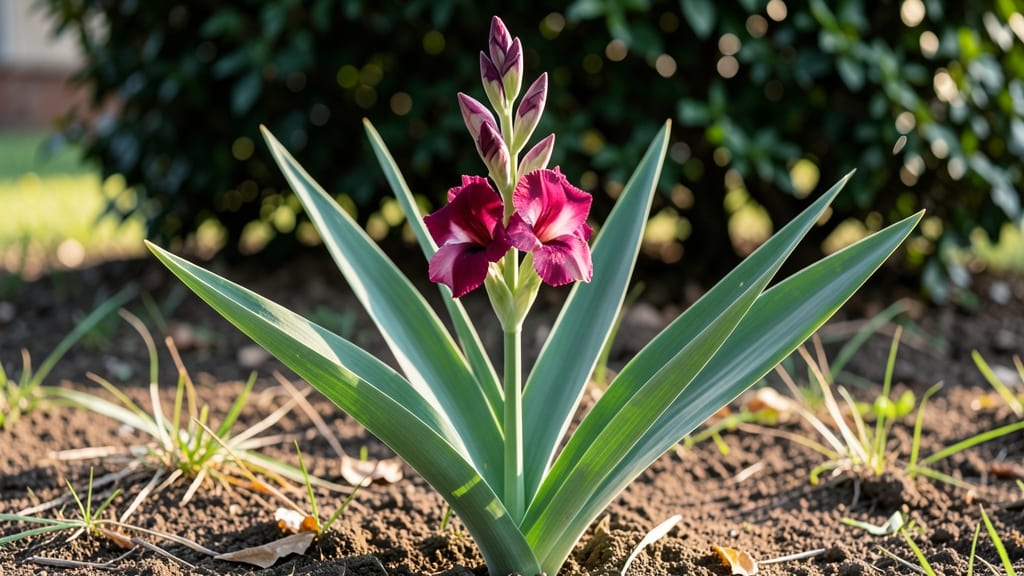
Planting gladiolus seeds means unlocking those dramatic spikes of color—if you nail the timing and depth. 🌱 I’ve watched my first attempts fizzle because I rushed them, but once I learned the right way, the results were shockingly lush.
These seeds need patience, but they reward it with blooms that tower over every other flower in the garden.
The secret starts with soil that drains like a dream—sandy loam mixed with compost—and planting them just ½ inch deep, no deeper. Most beginners bury them too shallow or too deep, and both mistakes stall germination.
Gladiolus seeds thrive in full sun, so pick a spot that bakes by noon, and keep the soil moist but never soggy for those first critical weeks.
By early summer, you’ll see the first shoots pushing through, and with proper spacing (about 6 inches apart), they’ll grow into sturdy stalks.
The blooms arrive later than many flowers, but when they do, they’re worth the wait—each spike packed with bold, velvety petals that last for weeks in a vase.
Works best in zones 5-9, though you can extend the season with a little shade cloth in scorching climates. The key is consistency: water when the top inch of soil dries, and fertilize lightly every few weeks. Here’s how to get them started right—no guesswork, just reliable results.
📚 In This Guide
- What you need
- Instructions
- Tips and common mistakes
- Wrapping up and next steps
What you need
- ● Gladiolus seeds – Fresh, high-quality seeds (10–20 seeds per planting area, depending on desired density).
- ● Well-draining potting mix – Lightweight blend (60% peat moss, 30% perlite, 10% vermiculite).
- ● Seed-starting trays or small pots – 3–4 inch diameter (1 tray or 10–15 pots).
- ○ Grow lights or sunny windowsill – 12–16 hours of light daily (optional but recommended for seedling strength).
- ● Spray bottle – For gentle watering (avoid over-saturating seeds).
- ● Plant labels – Waterproof tags (to track varieties and planting dates).
- ● Transplanting tools – Small trowel or spoon (for moving seedlings outdoors).
- ● Seedling heat mat – For faster germination (70–75°F ideal).
- ● Fertilizer (balanced 10-10-10) – Diluted to half-strength (after 4–6 weeks).
- ● Mulch (straw or pine needles) – To retain moisture in outdoor beds.
- ● Garden twine or stakes – For support as plants grow (6–12 inches tall).
Step-by-step instructions for planting gladiolus seeds
Here's how to grow these striking blooms from seed with minimal fuss—no green thumb required.
🌱 Step 1: Start Seeds Indoors at the Right Time
Gladiolus seeds need warmth to germinate, so begin indoors 8-10 weeks before your last frost date. Fill a seed tray with 2-3 inches of the sterile seed-starting mix (from your materials list) and moisten it until damp but not soggy. Press the mix down lightly to remove air pockets.
Scatter 2-3 seeds per cell (since germination rates vary) about ½ inch deep. Cover them with a thin layer of the same mix—don’t press hard, just pat gently. Place the tray in a warm spot (70-75°F) like on top of your refrigerator or near a sunny window. A seedling heat mat helps if your home runs cooler.
💧 Step 2: Keep Seeds Moist and Wait for Sprouts
Check the tray daily and mist the surface with water whenever the top layer feels dry to the touch. Use a spray bottle to avoid disturbing the seeds. Gladiolus seeds can take 14-21 days to sprout—don’t give up if nothing appears after a week. Once you see first true leaves (the second set after the initial seed leaves), remove any weak seedlings, leaving the strongest one per cell.
Real talk: If condensation forms under the humidity dome, lift it for 10 minutes daily to prevent mold. You’ll know moisture is right when the soil feels like a wrung-out sponge—damp but not dripping.
☀️ Step 3: Harden Off Seedlings Before Transplanting
Two weeks before your last frost, start hardening off seedlings by placing them outdoors in a sheltered spot for 1-2 hours the first day. Gradually increase their time outside by 1 hour daily until they can stay out all day. Choose a spot with partial shade—gladiolus seedlings don’t handle full sun yet.
Watch for wilted or yellowing leaves as a sign they’re getting too much sun. If this happens, move them to a shadier spot immediately. Once they tolerate full sun without stress, they’re ready for the garden.
🪴 Step 4: Plant Seedlings in Well-Drained Soil
Choose a sunny location with 6+ hours of direct sunlight daily. Dig holes 6 inches deep and 6 inches apart—gladiolus roots run deep, so give them space. Gently remove seedlings from their trays, keeping the root ball intact, and place them in the holes. Fill in with soil, firming it lightly around the base.
Water deeply right after planting to settle the soil. Mulch with 2-3 inches of organic mulch to retain moisture and suppress weeds. Avoid overwatering now—damping-off can still strike young plants.
✂️ Step 5: Support and Maintain Through the Season
As plants grow, install stakes or cages (from your materials) to support the heavy flower spikes. Gladiolus can grow 3-5 feet tall, so stakes should be at least 4 feet high. Tie stems loosely to the stakes as they grow to prevent snapping in wind.
Water 1-2 times per week, aiming for 1 inch of water per week. You’ll know it’s enough when the soil feels dry 1-2 inches down. Fertilize lightly every 4-6 weeks with a balanced fertilizer to encourage strong blooms.
⏰ Step 6: Enjoy Blooms and Prepare for Next Year
Gladiolus typically bloom 90-120 days after planting. Deadhead spent flowers to encourage more blooms and prevent seed formation. After the first frost, cut back foliage to 2 inches above ground and leave the corms in the soil for winter—many will regrow next year.
Here’s the thing—if you save the corms, you’ll have an easier time next season. Just dig them up in early spring, divide any clumps, and replant. Your first batch might not be as showy, but you’ll get there!
Tips & tricks for perfect gladiolus seed planting
Here's what I learned the hard way about growing these dramatic blooms from seed—tricks that'll make all the difference between struggling seedlings and showstopping flowers.
Timing is Everything: That 8-10 week indoor start window is non-negotiable for your climate zone. I always check my local frost dates online and mark the deadline in my calendar—trust me, you don't want to be scrambling when frost hits. If you're in doubt, err on the earlier side; gladiolus seedlings handle cooler temps better than heat stress. For those in warmer climates, you might extend this to 6-8 weeks before last frost, but monitor nighttime temperatures closely.
Germination Intelligence: The 14-21 day wait for sprouts is the most nerve-wracking part! To speed things up, I place my seed trays in a warm spot (70-75°F) with a humidity dome or plastic wrap. Remove it for those 10 minutes daily to prevent mold—this balance is key. Pro tip: If your kitchen runs cooler, a seedling heat mat under the tray works wonders. I've seen germination cut in half with this simple upgrade.
Hardening Off Like a Pro: The gradual 1-2 hour outdoor exposure in Step 3 is where most beginners fail. I start with just 30 minutes on day one if my seedlings look stressed, then increase by 1 hour daily. Watch for those wilted leaves—they're your warning sign. I also move my hardening-off spot progressively sunnier each day to mimic real garden conditions. By day 7, they should be handling full sun without complaint.
Planting for Success: Those 6-inch deep holes and 6-inch spacing might seem generous, but gladiolus roots run deep and wide. I always dig a test hole first to check soil depth—you'd be surprised how many gardeners underestimate this. For heavy clay soil, I mix in a handful of sand with the backfill to improve drainage. And here's a secret: I plant my strongest seedlings slightly deeper than the others—they'll have more stability for those towering blooms.
Pro Tips for Gladiolus Seeds Planting
- Here's what I learned the hard way about growing these dramatic blooms from seed—tricks that'll make all the difference between struggling seedlings and showstopping flowers.
- Timing is Everything: That 8-10 week indoor start window is non-negotiable for your climate zone.
- Germination Intelligence: The 14-21 day wait for sprouts is the most nerve-wracking part!
Frequently asked questions
Got questions about planting gladiolus seeds? You’re not alone! Here are answers to the most common concerns—from timing to troubleshooting—to help you grow stunning blooms with confidence.
When is the best time to plant gladiolus seeds?
Gladiolus seeds thrive in warm soil, so plant them after the last frost when temperatures consistently stay above 60°F (15°C). In most regions, this means late spring to early summer (May–June). If you’re in a cooler climate, wait until the soil is thoroughly warmed—cold soil can stunt germination.
How long does it take for gladiolus seeds to germinate?
Germination can take 2–4 weeks, depending on soil warmth and moisture. Keep seeds in bright, indirect light and maintain consistent dampness (not soggy!). If you don’t see sprouts in 4 weeks, gently check for mold or rot—adjust watering or try replanting fresh seeds.
Can I plant gladiolus seeds indoors before transplanting outdoors?
Yes! Start seeds 6–8 weeks before the last frost in biodegradable pots with seed-starting mix. Use a grow light (not direct sun) to prevent leggy seedlings. Harden off seedlings for 7–10 days before transplanting to avoid shock. This method extends your growing season in cooler areas!
What should I do if my gladiolus seedlings look weak or yellow?
Weak, yellow seedlings often signal overwatering, poor drainage, or pests. Check for:
- Root rot: Ensure pots/drainage holes aren’t waterlogged.
- Fungal issues: Reduce humidity and avoid wetting leaves.
- Pests: Inspect for aphids or slugs—use neem oil or diatomaceous earth if needed.
If roots are mushy, trim the bad parts and repot in fresh, dry mix.
Do gladiolus seeds produce flowers the first year?
Nope! Gladiolus seeds take 1–2 years to bloom. Focus on strong, healthy foliage the first year—this builds energy for showy spikes the next season. In the meantime, enjoy the sword-like leaves and plan for next year’s colorful rewards!
Can I save seeds from store-bought gladiolus flowers?
Technically yes, but store-bought blooms are often hybrid, so saved seeds may not match the parent plant’s color or size. For consistent results, buy certified seeds from nurseries. If you’re experimenting, let 3–5 flowers per stalk mature fully, then collect seeds from the dried pods.
Wrapping up and next steps
Planting gladiolus seeds is a rewarding journey that brings vibrant blooms to your garden with just a little patience and care! 🌸 By following these six simple steps—from selecting the right seeds to nurturing your plants—you’ll soon enjoy stunning, deep-rooted flowers that brighten any space.
Now that you’re armed with the knowledge, why not take the next step?
- 🌱 Start small: Try planting a few seeds in pots first to perfect your technique.
- 📅 Mark your calendar: Plan your outdoor planting for the ideal season in your climate.
- 🤝 Share the joy: Gift your first blooms or swap seeds with fellow gardening enthusiasts!
Your garden—and future blooms—will thank you! 🌿