
Companion Plants
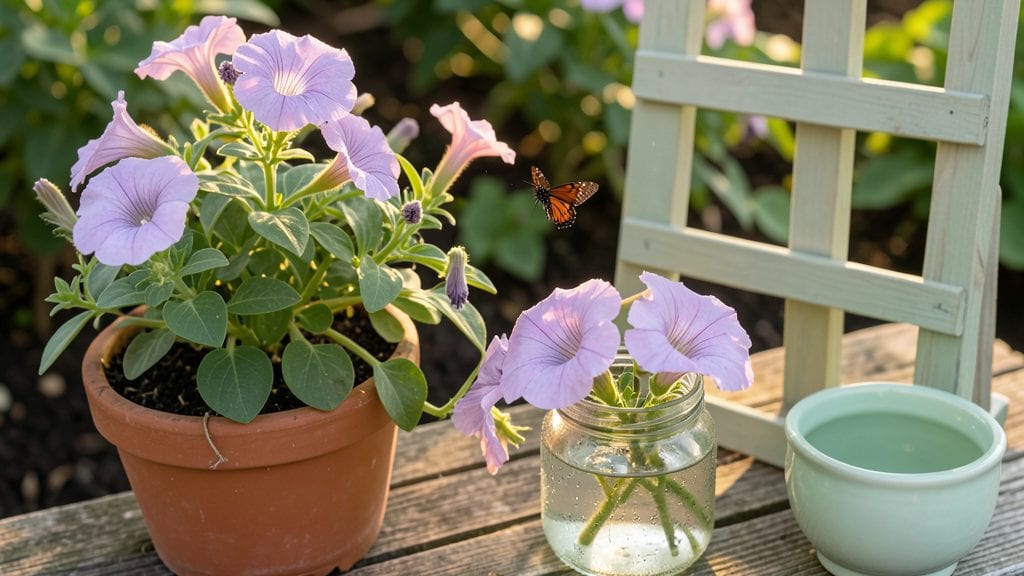
Those fragrant petunias plants I’ve grown don’t just bring color—they turn your garden into a living perfume factory. 🌿 I’ve tried dozens of varieties, and the ones that actually smell like something good (not just generic blossoms) change how you experience summer evenings.
The secret lies in picking the right types and giving them exactly what they crave.
You’ll need well-draining soil, at least 6 hours of sun daily, and a spot where bees and butterflies already visit—these plants thrive when they’re part of the ecosystem. Start with 1-2 gallon pots or in-ground beds, and keep the soil consistently moist but never soggy.
The fragrance peaks in late afternoon, so plant them near seating areas or walkways where you’ll notice the difference.
By midsummer, you’ll have a nonstop bloom machine that smells like vanilla, citrus, or even chocolate, depending on the variety. Prune spent flowers weekly, and fertilize lightly every 4-6 weeks to keep them producing. The best part? They keep blooming until frost, making them the ultimate low-maintenance pollinator magnet.
Works in containers, hanging baskets, or garden beds—just avoid heavy clay soil. Here’s how to pick varieties that actually smell good and keep them thriving all season.
📚 In This Guide
- What you need
- Instructions
- Tips and common mistakes
- Wrapping up and next steps
What you need
- ● Fragrant petunia seeds or seedlings: Choose varieties like 'Mitchell Diploid' or 'Sweet Fragrance' (6–12 plants for full coverage).
- ● Well-draining potting mix: 2–3 bags (10–15 cubic feet each) for containers or garden beds.
- ● Containers or garden space: For containers: 12–14" pots (1–2 plants per pot) or window boxes.
- ● For in-ground: Full sun (6+ hours/day) and loose, fertile soil.
- ● Slow-release fertilizer: 10–15 lbs (e.g., 14-14-14 NPK blend) to kickstart growth.
- ● Watering can or hose with gentle nozzle: For consistent moisture without damaging stems.
- ○ Mulch (optional but recommended): 2–3 bags of shredded bark or straw to retain moisture.
- ● Gloves: A pair to protect hands from soil and thorns.
- ● Trowel or hand pruners: For transplanting and deadheading.
- ● Measuring tape or ruler: To space plants 12–18" apart.
- ○ Spray bottle (optional): For misting seedlings or deterring pests.
- ● Soil pH: Test and amend to 6.0–7.0 for optimal fragrance and blooms. 🌡️
- ● Deadheading: Snip spent flowers regularly to encourage more blooms! ✂️
- ● Companion plants: Pair with basil, marigolds, or lavender to boost fragrance and repel pests. 🌿
Step-by-step instructions for planting fragrant petunias
Here's how to establish a thriving fragrant petunia bed that keeps pollinators buzzing all season.
🌱 Step 1: Prepare the Planting Site
Choose a location with 6-8 hours of direct sun daily—petunias need full sun to produce their signature fragrance and abundant blooms. Work the soil to a depth of 12 inches, removing any rocks or debris that could impede root growth. Fragrant varieties like 'Mitchell Diploid' or 'Sweetheart' perform best in well-draining soil with a slightly acidic pH (around 6.0-6.5).
If your soil is heavy clay, mix in 2-3 inches of compost to improve aeration and drainage. Avoid fresh manure, which can burn tender petunia roots. I like to spread a thin layer of pine bark fines over the planting area—this helps retain moisture while preventing soil compaction.
🪴 Step 2: Plant Transplants at Proper Spacing
Set transplants into the prepared soil at a depth where the top of the root ball sits just below the soil surface. Space plants 12-18 inches apart in rows 18-24 inches apart—this gives them room to spread without competing for nutrients. Fragrant petunias have a slightly bushier growth habit than their non-scented cousins, so don't crowd them.
Gently firm the soil around each plant to eliminate air pockets, then water deeply to settle the roots. The soil should feel moist 2 inches below the surface after watering. Avoid wetting the foliage, as this can promote fungal diseases in humid conditions. I always water in the early morning so leaves have time to dry before evening.
☀️ Step 3: Establish a Watering Routine
Water petunias at the base every 2-3 days during the first two weeks to encourage root establishment. Check moisture by sticking your finger 1-2 inches into the soil—if it feels dry, it's time to water. Once established, petunias are drought-tolerant but produce their best fragrance when consistently moist. Mulch with 1-2 inches of shredded bark to retain soil moisture and suppress weeds.
Here's the thing—fragrant petunias need consistent moisture to keep blooming. If you see buds drop before opening, it's a sign of underwatering. On the other hand, soggy soil leads to root rot, so always let the top inch dry between waterings. I use a soaker hose for deep, even watering that doesn't disturb the plants.
✂️ Step 4: Prune and Fertilize for Continuous Blooms
Deadhead spent blooms weekly to encourage new flower production. Pinch back leggy stems to promote bushier growth, cutting just above a set of leaves where new growth will emerge. Fragrant varieties benefit from a light pruning every 4-6 weeks to maintain their compact shape and prevent woody stems.
Feed plants every 3-4 weeks with a balanced liquid fertilizer (10-10-10) diluted to half strength. The key is consistency—petunias respond poorly to heavy feeding but need steady nutrients to produce their signature fragrance. I always fertilize in the morning so any excess salts have time to leach away before evening.
🌿 Step 5: Overwintering for Year-Round Color
In fall, reduce watering gradually and stop fertilizing 6 weeks before first frost. Cut back stems by half to reduce transpiration. For tender varieties, dig up plants after the first frost, trim back by ⅔, and pot them up in 6-inch containers with fresh potting mix. Overwinter in a cool (40-50°F) bright location.
Here's what I do—wrap the containers in bubble wrap and check monthly for signs of rot or pests. In early spring, repot into the garden after the last frost date. With proper overwintering, your fragrant petunias will reward you with early blooms and a head start on the pollinator season.
Tips & tricks for perfect fragrant petunia planting
Fragrant petunias thrive when you pay attention to the details—here's what I've learned from years of growing these pollinator magnets.
The Sunlight Factor: Those 6-8 hours of direct sun are non-negotiable for optimal fragrance production. I've found that morning sun (6 AM-12 PM) works best for maximizing scent intensity. If your garden gets intense afternoon sun, consider providing some afternoon shade during peak summer months to prevent leaf scorch while still maintaining the essential sunlight exposure.
Soil Preparation Secret: When amending heavy clay soil, I recommend mixing in 2-3 inches of compost and pine bark fines in equal parts. This combination improves drainage while maintaining moisture retention—critical for fragrant varieties that need consistent hydration without becoming waterlogged. Test your soil's pH before planting; if it's above 6.5, add elemental sulfur to lower it gradually over several weeks.
Watering Wisdom: The 2-3 day watering schedule during establishment is crucial, but timing matters just as much. Always water in the early morning to allow foliage to dry completely before evening. I've noticed that watering at midday can lead to fungal issues, especially in humid climates. For established plants, let the top inch of soil dry between waterings—this prevents root rot while maintaining the moisture levels needed for continuous blooming and fragrance production.
Fertilizing Technique: When applying that 10-10-10 fertilizer every 3-4 weeks, I've found that morning application is key. The diluted solution (half strength) gives the plants time to absorb nutrients before evening temperatures can cause salt buildup. Always water thoroughly after fertilizing to prevent root burn. For even better results, alternate between your balanced fertilizer and a phosphorus-rich formula (like 5-10-5) every other feeding to encourage more abundant blooming.
Pro Tips for Fragrant Petunias Plants
- Fragrant petunias thrive when you pay attention to the details—here's what I've learned from years of growing these pollinator magnets.
- The Sunlight Factor: Those 6-8 hours of direct sun are non-negotiable for optimal fragrance production.
- Soil Preparation Secret: When amending heavy clay soil, I recommend mixing in 2-3 inches of compost and pine bark fines in equal parts.
Frequently asked questions
Got questions about growing fragrant petunias? You’re not alone! Here are answers to the most common queries to help you cultivate these pollinator magnets with confidence.
When is the best time to plant fragrant petunias?
Plant fragrant petunias after the last frost in spring (typically mid-May to June in most U.S. zones). For a longer bloom season, start seeds indoors 8–10 weeks before the last frost or buy young plants from nurseries. In warmer climates, you can also plant in fall for winter blooms!
How often should I water fragrant petunias?
Keep the soil consistently moist but not soggy—water deeply 1–2 times per week (more in extreme heat). Mulch around the base to retain moisture and prevent weeds. Pro tip: Water at the soil level (not leaves) to avoid fungal diseases like powdery mildew.
Do fragrant petunias attract bees and butterflies?
Absolutely!
Their sweet fragrance and nectar-rich blooms make them a top choice for pollinators. Plant them near herbs (like basil or lavender) or other pollinator-friendly flowers (e.g., marigolds) to create a buzzing garden ecosystem. Bonus: The scent also repels some pests naturally!
What can I do if my petunias stop blooming?
Overly lush foliage at the expense of flowers? It’s likely due to too much nitrogen or lack of sunlight. Try these fixes:
- Move to a sunnier spot (6+ hours of light daily).
- Fertilize with a low-nitrogen, high-phosphorus formula (e.g., 5-10-5).
- Deadhead spent blooms regularly to encourage new flowers.
Are there fragrant petunia varieties that thrive in containers?
Yes! Compact varieties like ‘Wave Purple,’ ‘Mitchell Diploid,’ or ‘Supertunia’ series are perfect for pots. Use a well-draining potting mix and a container at least 12 inches wide for each plant. Trailing types add vertical interest—just ensure they have support or room to spill over edges!
Wrapping up and next steps
Fragrant petunias aren’t just a pretty face—they’re a powerhouse for gardens, drawing in pollinators and adding year-round charm with their vibrant blooms and intoxicating scents. Whether you’re a seasoned gardener or just starting, these versatile plants are easy to grow and reward you with low-maintenance beauty and ecological benefits. 🌸
Ready to transform your space? Start by picking your favorite varieties, gathering the right supplies, and planting with confidence. Your garden—and the bees—will thank you! 🐝✨