
Pests
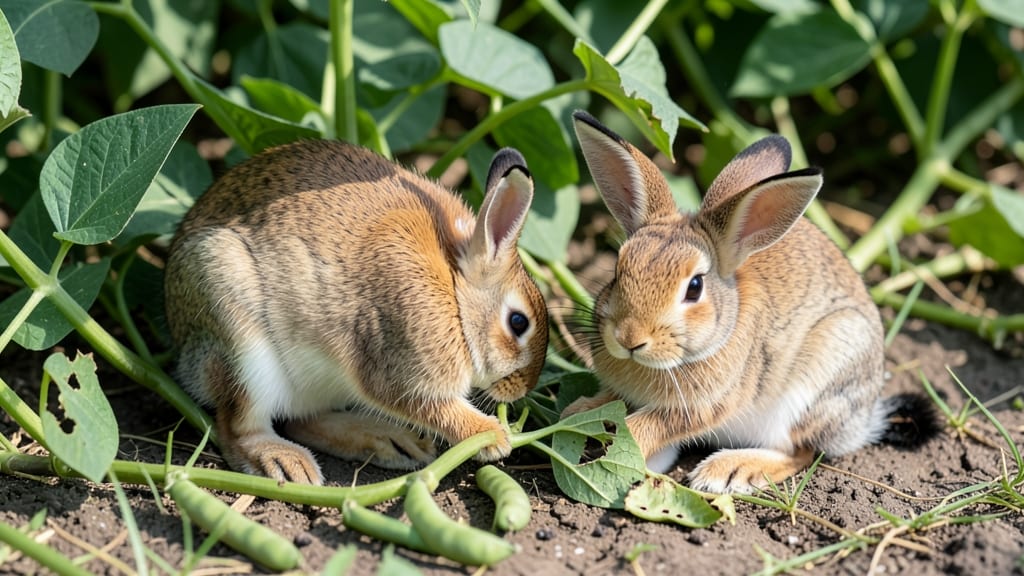
Rabbits eat bean plants voraciously, targeting young shoots, leaves, and pods of most varieties, though they typically avoid mature beans with tougher skins or toxic species like castor beans.
Rabbits have a particular taste for tender, nutrient-rich plant matter, making young bean shoots and leaves their prime targets. 🌱 Their feeding habits often occur at dawn or dusk, which can lead to significant damage if left unchecked, as they don’t just nibble—they can uproot entire seedlings.
The key difference lies in maturity: while fresh, soft pods are a delicacy, older beans with fibrous skins or toxic compounds like those in castor beans become unappealing.
This selective behavior stems from their need for high-protein, low-fiber foods, which explains why gardeners often see patchy destruction in rows of green beans or peas. 🐇 Understanding this pattern helps in choosing protective strategies, whether through physical barriers or strategic plant placement, to minimize losses without resorting to harsh chemicals.
💡 In This Article
- How Rabbit Dietary Habits Affect Bean Plant Survival
- Protecting Bean Crops: Natural Rabbit Deterrents & Companion Planting
How rabbit dietary habits affect bean plant survival
Rabbits target bean plants because their digestive systems are optimized for high-moisture, high-protein foods with minimal fiber. Young bean shoots contain approximately 20-25% protein by dry weight, making them an ideal snack.
The tender leaves and pods have a moisture content of about 85-90%, which rabbits find irresistible compared to drier, mature plants. Their incisors are designed to shear through delicate stems, often severing entire seedlings at the base rather than just nibbling leaves.
The timing of rabbit feeding is critical to bean plant survival. These creatures are crepuscular, meaning they're most active during dawn (4-7 AM) and dusk (7-10 PM) when temperatures are cooler. This pattern explains why gardeners often wake to find their bean plants chewed overnight.
What's particularly damaging is their tendency to graze at soil level - their 1-2 inch jaw gap allows them to reach young shoots before they emerge above the soil line, effectively preventing germination.
Root damage versus leaf damage creates different survival outcomes for bean plants. When rabbits pull plants from the ground, they often uproot the entire seedling, killing it instantly. However, when they simply clip leaves or pods, the plant may survive but suffers from reduced photosynthesis and stunted growth.
Studies show that plants losing more than 50% of their foliage often fail to produce viable pods, while those with partial damage may recover if the root system remains intact.
Interestingly, rabbits exhibit what scientists call "nutrient-driven selectivity." While they'll consume nearly any bean variety in its tender stages, they develop preferences based on flavor compounds. Green beans contain higher levels of volatile organic compounds (VOCs) like hexanal, which rabbits find particularly appealing.
In contrast, mature beans develop tannins and lignins that make them less palatable. This explains why gardeners often see rabbits abandoning a patch after the beans mature, even if other food sources remain available.
The protein-to-fiber ratio is the ultimate deciding factor. Young bean plants offer an almost perfect balance - 20% protein with minimal fiber, while mature beans contain up to 30% fiber, making them difficult to digest.
This nutritional shift explains why rabbits rarely return to previously grazed areas once the beans harden. Understanding this pattern allows gardeners to time protective measures precisely during the most vulnerable growth stages.
What most people don't realize is how rabbit grazing actually stimulates some bean varieties to produce more side shoots. When the main stem is clipped, the plant's survival mechanism triggers lateral bud growth.
However, this only works with determinate varieties like bush beans. Indeterminate varieties (like pole beans) may never recover from repeated grazing, as their continuous growth habit makes them more vulnerable to complete defoliation.