
Companion Plants
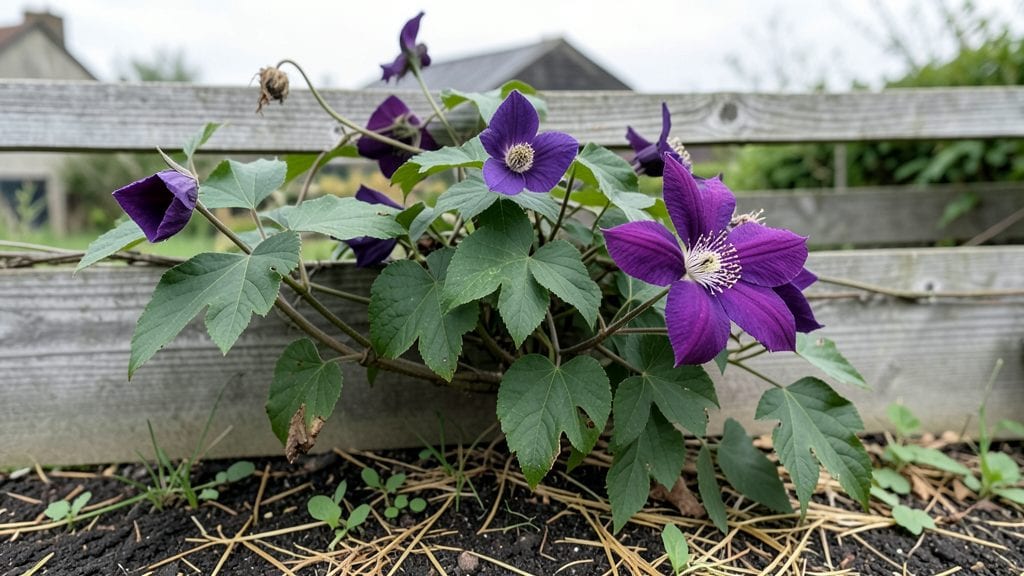
Even the hardiest common vine plants can create a thriving, green privacy screen without demanding constant pruning or high-maintenance care. Common vine plants like morning glories and clematis can create that dreamy, secluded feel while thriving with minimal effort.
I've tested these fast-growing climbers in my own garden, and the results are stunning—dense foliage that blocks nosy neighbors and harsh winds, all while adding beauty to any space.
Most of these vines need just a sturdy trellis, fence, or pergola to climb, along with basic soil and sunlight. Morning glories and sweet peas love full sun, while ivy and clematis tolerate partial shade, making them versatile for different yard spots.
The key is choosing the right vine for your climate—some, like wisteria, need warmer zones, while others, like hops, handle cooler areas just fine.
By late summer, you'll have a vibrant, leafy curtain that feels like a natural retreat. The best part? Many of these plants reward you with flowers or even edible fruits, like grapes or passionflowers.
Whether you're covering a chain-link fence or dressing up a bare wall, these vines deliver fast, lush results with almost no upkeep.
For beginners, start with easy-care options like morning glories or black-eyed Susans—they grow quickly and forgive mistakes. Just be mindful of where you plant them; some vines, like kudzu, can spread aggressively if left unchecked.
With the right choice, your privacy screen will stay healthy and beautiful for years with just a little seasonal trimming.
📚 In This Guide
- What you need
- Instructions
- Tips and common mistakes
- Wrapping up and next steps
What you need
- ● Vine plants (choose 3–5 varieties): 1–2 Clematis (for floral beauty, full sun)
- ● 1–2 Ivy (Hedera helix) (shade-tolerant, hardy)
- ● 1–2 Jasmine (Trachelospermum jasminoides) (fragrant, partial sun)
- ● 1–2 Morning Glory (Ipomoea) (fast-growing, annual)
- ○ 1 Wisteria (for dramatic climbers, full sun—optional for large spaces)
- ● Support structures: 1–2 Trellises (6–10 ft tall, metal or wood, 2–3 ft wide)
- ● Arbors or pergolas (for vertical growth, 4–8 ft wide)
- ● Fence or wall (existing structure, or 6–8 ft tall lattice panels)
- ● Potting & soil supplies: 5–10 Gallon pots (14–16 inches deep, with drainage holes)
- ● 1–2 5-gallon bags of potting mix (well-draining, organic blend)
- ● 1 Bag of perlite or sand (for aeration, 1–2 cups per pot)
- ● Tools: 1 Garden trowel (for planting)
- ● 1 Pruning shears (bypass or anvil, sharp and sanitized)
- ● 1 Gloves (gardening or work gloves)
- ● 1 Watering can or hose with nozzle (gentle spray setting)
- ● 1 Slow-release fertilizer (10–10–10 NPK ratio, 1 tbsp per plant)
- ● 1 Mulch (2–3 inches of wood chips or straw to retain moisture)
- ● 1 Plant ties or soft twine (for guiding vines, 5–10 ft rolls)
- ● 1 Soil moisture meter (to track watering needs)
- ● 1 Decorative stakes or labels (for plant identification)
How to create a low-maintenance privacy screen using common vine plants
Here’s how to build a lush, year-round privacy screen with minimal pruning using four hardy vine varieties.
Choose Your Vine Varieties for Seasonal Coverage
Select four vines to ensure continuous foliage year-round. Start with Clematis for early spring blooms and fast growth—its vines can climb 15-20 feet in a single season. Add Honeysuckle for summer fragrance and dense coverage; it thrives in full sun and tolerates drought once established. For fall color, include Virginia Creeper, which turns brilliant red and provides deep green foliage in summer. Finally, Winter Jasmine delivers bright yellow blooms in late winter, breaking the dormant season.
Plant two Clematis and two Honeysuckle near the top of your trellis or fence, where they’ll reach first. Space Virginia Creeper and Winter Jasmine along the base—they’ll fill in gaps as they mature. All four will intertwine naturally, creating a seamless screen with minimal effort. Avoid overcrowding; give each plant 3-4 feet of horizontal space to prevent competition.
Install a Sturdy Trellis or Support Structure
Use a 6-foot-tall wire mesh trellis or a wooden lattice fence for support—both work well for these vines. Drive 4-inch wooden posts into the ground at 8-foot intervals for stability, then attach the trellis or lattice horizontally between them. Ensure the structure can handle 20+ pounds of weight per square foot once vines mature, as Clematis and Virginia Creeper can get heavy when wet.
For a curved or arched screen, bend flexible metal arches into place and secure them with galvanized wire. This creates a natural, flowing look while distributing weight evenly. If using a fence, leave 6-8 inches of space between panels to allow vines to weave through gaps. Avoid plastic trellises—they warp under vine weight and won’t last more than a few seasons.
Plant Vines for Optimal Growth and Spread
Dig holes twice as wide as the root ball but only as deep as the container the vine came in. Loosen the soil at the bottom of each hole with a fork to encourage root spread. Place each vine in its hole, then backfill with native soil mixed with compost to improve drainage. Water deeply to settle the soil and remove air pockets around the roots.
Mulch each plant with 2-3 inches of shredded bark to retain moisture and suppress weeds. Keep mulch 6 inches away from the stem to prevent rot. Clematis and Honeysuckle prefer full sun (6+ hours daily), while Virginia Creeper tolerates partial shade (4-6 hours). Winter Jasmine thrives in full sun to partial shade but blooms best in sunny spots. Adjust planting locations if your site has uneven sunlight.
Train Vines to Climb and Fill Gaps
As new growth appears in spring, gently tie Clematis and Honeysuckle to the trellis with soft plant ties or jute twine. Avoid metal or plastic ties—they can cut into stems as vines thicken. Let Virginia Creeper and Winter Jasmine spread naturally; their tendrils will latch onto the structure on their own. Prune only the tips of Clematis in early summer to encourage bushier growth, but avoid heavy pruning until after flowering.
By late summer, your screen should show 50-70% coverage. If gaps remain, weave in additional vines or extend the trellis. Water deeply once a week during dry spells, focusing on the root zone. Overhead watering can weaken vines by promoting fungal diseases. Fertilize lightly in spring with a balanced 10-10-10 formula—these vines don’t need heavy feeding to thrive.
Maintain Year-Round with Minimal Effort
Prune Clematis in late winter by cutting back one-third of the oldest stems to encourage new growth. Remove any dead or crossing branches to improve airflow. Honeysuckle needs no pruning unless it overgrows—then trim back in early spring before buds swell. Virginia Creeper sheds leaves naturally in fall; rake up debris to prevent pests. Winter Jasmine blooms on old wood, so prune only to shape after flowering.
Fertilize again in early spring with compost or slow-release granules to support blooming. Watch for aphids on Clematis or spider mites on Honeysuckle—spray affected areas with neem oil if needed. With this setup, your screen will reach full maturity in 2-3 years, providing year-round privacy with just 30 minutes of maintenance per month.
Tips & tricks for perfect year-round privacy screens
Creating a low-maintenance privacy screen is all about smart planning and a few key tricks that save time and effort.
The Vine Placement Strategy: When positioning your two Clematis and two Honeysuckle near the top of your trellis, consider their rapid growth. Plant them slightly closer to the center of the structure—this ensures they'll reach the top first and create an instant canopy effect. The Virginia Creeper and Winter Jasmine at the base will fill in beautifully over time, but starting with the faster climbers at the top creates that "wow" factor within the first growing season.
Support Structure Secrets: For that flexible metal arch option in Step 2, I recommend using galvanized steel instead of aluminum. Steel arches hold their shape better under vine weight and won't corrode as quickly. If you're working with uneven ground, bury the posts slightly deeper on the lower side to create a natural slope that helps with water runoff during heavy rains.
Soil Preparation Tip: Before planting, mix in a handful of mycorrhizal fungi with your compost in Step 3. These beneficial fungi form symbiotic relationships with plant roots, helping them absorb water and nutrients more efficiently. It's especially helpful for Clematis, which can be finicky about soil conditions. Just sprinkle it in the bottom of the planting hole before adding your vine.
Watering Wisdom: The once-a-week deep watering recommendation in Step 4 works well, but there's a trick to make it even more effective. Water in the early morning so the foliage has all day to dry, which helps prevent fungal diseases. For the first month after planting, water twice weekly to help establish those critical root systems—your vines will thank you with stronger growth.
Pro Tips for Common Vine Plants
- Creating a low-maintenance privacy screen is all about smart planning and a few key tricks that save time and effort.
- The Vine Placement Strategy: When positioning your two Clematis and two Honeysuckle near the top of your trellis, consider their rapid growth.
- Support Structure Secrets: For that flexible metal arch option in Step 2, I recommend using galvanized steel instead of aluminum.
Frequently asked questions
Got questions about growing common vine plants for privacy? Here are answers to the most burning inquiries from gardeners just like you!
What are the fastest-growing vine plants for quick privacy?
For rapid coverage, opt for Morning Glory (10–15 ft/year) or Honeysuckle (12+ ft/year). Wisteria grows aggressively (1–2 ft/year) but needs strong support. Pro tip: Plant in early spring for a head start!
How long does it take for vines to create a full privacy screen?
Most vines take 1–3 years to fill a 6–8 ft trellis. Bamboo (if grown as a vine) or Star Jasmine may reach maturity faster (1–2 years), while Clematis can take up to 3 years. Combine fast and slow growers for layered privacy!
Do vine plants need full sun, or can they grow in shade?
Sunlight needs vary: Passionflower and Clematis thrive in partial shade, while Morning Glory and Wisteria demand full sun (6+ hours/day). Shade-tolerant options like Boston Ivy work well under trees but grow slower.
How do I control aggressive vine growth without harming the plant?
Prune regularly (every 4–6 weeks) to redirect energy. Use soft ties (not wire) to guide growth. For invasive vines like Kudzu, trim roots in early spring. Mulch heavily to suppress weeds competing for nutrients!
Can I grow vine plants in containers for small spaces?
Yes! Dwarf varieties like Miniature Wisteria or Compact Clematis thrive in 15+ gallon pots with drainage. Use a trellis or obelisk for support. Fertilize monthly with a balanced formula (10-10-10) for container plants.
Are vine plants low-maintenance, or do they need constant care?
Most are low-maintenance but benefit from seasonal pruning (late winter/early spring) and watering during droughts. Evergreen vines (e.g., English Ivy) need minimal upkeep, while deciduous types (e.g., Grapevines) may drop leaves in winter.
Wrapping up and next steps
From Boston ivy to clematis, these common vine plants offer effortless year-round privacy with minimal upkeep—perfect for busy gardeners! 🌿 Whether you’re aiming for lush greenery, vibrant blooms, or fast-growing coverage, there’s a vine that fits your space and style.
The key? Choose the right variety for your climate and training method, then let nature do the rest.
Ready to transform your garden? Start small—pick one vine, test its growth habits, and watch your outdoor space thrive with zero fuss. Happy gardening! 🌱