
Plants
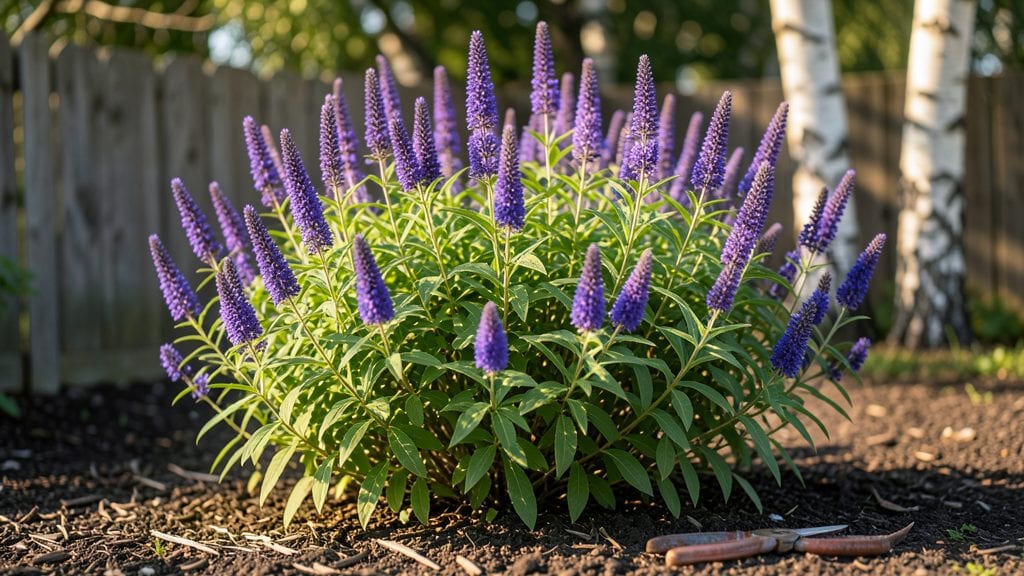
This butterfly-looking plant isn’t just pretty—it transforms your garden into a fluttering paradise with its delicate blue petals unfurling like tiny wings. 🌿 I fell in love the first time I saw it, and now it’s the star of my pollinator-friendly borders.
These plants do double duty: their whimsical blooms mimic butterflies, while their nectar draws real ones to your yard.
The real magic happens when you plant them in clusters along fences or near seating areas. Their vibrant colors—blue, purple, or even white—create a living tapestry that moves with the breeze, while butterflies land on them like they’re a five-star resort.
No fancy tricks needed: just full sun and well-drained soil, and they’ll reward you with months of fluttery charm.
Imagine a garden where every bloom feels like an invitation to pollinators, and every glance makes you smile. These plants turn ordinary spaces into living art, with their delicate, wing-like petals swaying in the wind. They’re perfect for cottage gardens, pollinator patches, or even container displays on patios.
Here’s the best part: they thrive in zones 9-11 but can be grown as annuals almost anywhere. Pair them with milkweed for a butterfly buffet, and watch your garden transform into a real-life fairy tale. The whimsy starts with a single packet of seeds.
Why it happens
If your butterfly-looking plant (like Caladium, Begonia rex, or Impatiens) is losing its signature foliage patterns or wilting, it’s often a cry for help from the plant itself.
These stunning, often variegated or patterned leaves are sensitive to environmental and care-related shifts. Below, we break down the top reasons why your plant might be struggling—and how to fix it.
Butterfly-like plants thrive on consistent moisture but despise soggy roots. When soil stays too wet, roots suffocate from lack of oxygen, leading to:
- Yellowing leaves (a classic sign of root rot).
- Mushy stems or blackened foliage at the base.
- Wilting despite wet soil (roots can’t absorb water properly).
Why it happens: These plants often grow in tropical, well-draining environments. Compacted or clay-heavy soil traps excess water, while overzealous watering (especially in low-light conditions) accelerates rot. Actionable fix:
- Check soil moisture by sticking your finger 1–2 inches deep—water only if dry.
- Repot in a mix with perlite or orchid bark (30–40% by volume) to improve aeration.
- Ensure pots have drainage holes and elevate them on saucers.
Butterfly plants (especially those with bold patterns or deep purples) are light-sensitive. Too little or too much light throws off their photosynthesis balance, causing:
- Faded or dull patterns (chlorophyll overcompensates in low light).
- Burnt leaf edges (from intense afternoon sun).
- Leggy growth (stretching toward light sources).
Why it happens: Most prefer bright, indirect light (like a north or east-facing window). Direct sun can scorch delicate leaves, while dim corners trigger weak, pale foliage. Actionable fix:
- Rotate the plant quarter-turns weekly for even exposure.
- Use sheer curtains to diffuse harsh sunlight.
- Supplement with grow lights (12–14 hours/day) if natural light is insufficient.
These tropical darlings hate drafts and dry air. Sudden changes trigger stress responses like:
- Brown, crispy leaf tips (low humidity).
- Drooping or curled leaves (temperature swings).
- Slow growth or stunted patterns (chronic cold stress).
Why it happens: Ideal temps range from 65–80°F (18–27°C), with humidity above 50%. Air conditioning, heaters, or open windows can create microclimates that shock the plant. Actionable fix:
- Group plants together to create a humidity microclimate.
- Use a pebble tray with water or a humidifier nearby.
- Avoid placing near AC vents or doors that open/close frequently.
Butterfly plants need balanced nutrition to maintain their vibrant patterns. Too much or too little fertilizer leads to:
- Yellow leaves with green veins (magnesium deficiency).
- Purple-tinged foliage (phosphorus overload or nitrogen deficiency).
- Slow pattern development (lack of micronutrients like iron or manganese).
Why it happens: Over-fertilizing (especially with synthetic mixes) builds up salts in soil, blocking water uptake. Under-fertilizing starves the plant of essential elements for chlorophyll and pigment production. Actionable fix:
- Flush soil every 2–3 months with water to remove excess salts.
- Use a balanced liquid fertilizer (10-10-10 or 20-20-20) diluted to half-strength every 4–6 weeks in spring/summer.
- Add Epsom salt (1 tsp/gallon of water) monthly for magnesium boosts.
Delicate leaves are a buffet for pests like spider mites, aphids, or fungal infections. Signs include:
- Sticky residue (honeydew) from sap-sucking insects.
- White webbing or tiny black dots on undersides of leaves.
- Black spots or mold (from overwatering + poor airflow).
Why it happens: Dry air attracts mites, while crowded plants (with poor ventilation) foster fungal growth. Weakened plants (from other stressors) are easier targets. Actionable fix:
- Isolate the plant and wipe leaves with neem oil or insecticidal soap.
- Prune infected leaves immediately and dispose of them.
- Improve airflow with a small fan (3–4 hours/day) to deter pests.
Revive Your Whimsical Foliage
Your butterfly-inspired plant might be struggling, but don’t despair—most issues have simple fixes! Below, we’ve mapped common problems to practical solutions, along with prevention tips to keep your plant thriving. Whether it’s yellowing leaves, pests, or slow growth, these steps will help you restore your plant’s vibrancy.
Cause: Overwatering, underwatering, or poor drainage. Fix It:
- Check the soil moisture 👨🍳: Stick your finger 1–2 inches deep. If it’s soggy, your plant’s roots may be drowning. If it’s bone-dry, it’s thirsty.
- Adjust watering habits 💧:
- Overwatered? Let the top 2–3 inches dry out before watering again. Repot if drainage is poor (use a pot with holes and fresh, well-draining soil).
- Underwatered? Water deeply until it drains from the bottom, then empty the saucer to prevent root rot.
- Trim damaged leaves ✂️: Snip off yellow or brown leaves to redirect energy to healthy growth.
Prevention Tip: 🌡️ Use a moisture meter or the "knuckle test" to avoid guesswork. Most butterfly plants prefer slightly dry soil over soggy conditions.
Cause: Weak plants attract pests, or they hitch a ride from other plants. Fix It:
- Isolate the plant 🛑: Move it away from others to prevent spreading.
- Blast pests off 💦: Spray leaves with a strong stream of water (aphids hate this!). Repeat every few days.
- Neem oil treatment 🌿 (natural & effective):
- Mix 1 tsp neem oil + 1 tsp mild soap + 1 quart water.
- Spray every 5–7 days until pests vanish.
- Wipe leaves 🧼: Use a damp cloth with rubbing alcohol (70% isopropyl) to kill lingering bugs.
Prevention Tip: ✨ Inspect new plants before bringing them home. Quarantine them for a week to catch hidden pests early.
Cause: Lack of sunlight, nutrients, or root-bound conditions. Fix It:
- Boost light exposure ☀️:
- Move to a south- or west-facing window (6+ hours of sunlight daily).
- Use a grow light 12 inches above the plant if natural light is limited.
- Fertilize lightly 🌱:
- Use a balanced liquid fertilizer (10-10-10) diluted to half-strength.
- Feed once a month during spring/summer; skip in fall/winter.
- Check root health 🌱:
- Gently remove the plant from its pot. If roots are circling tightly, repot into a 1–2 inch larger container with fresh soil.
Prevention Tip: 📊 Rotate your plant weekly so all sides get even light—this prevents lopsided growth.
Cause: Excess moisture, poor airflow, or contaminated soil. Fix It:
- Powdery mildew (white powdery spots):
- Prune infected leaves ✂️ and dispose of them.
- Spray with baking soda mix 🧂: 1 tsp baking soda + 1 quart water + a drop of dish soap. Apply weekly.
- Improve airflow 🌬️: Space plants apart and avoid overcrowding.
- Root rot (mushy stems, foul smell):
- Trim black/mushy roots 🔪 with sterilized scissors.
- Repot in fresh, dry soil and a pot with drainage holes.
- Hold off on watering for 1–2 weeks to let roots recover.
Prevention Tip: 💡 Water at the base (not overhead) and avoid leaving plants in damp trays.
Cause: Stress from over/underwatering, lack of nutrients, or improper light. Fix It:
- Adjust care routine 🔄: Follow the fixes above for yellowing leaves or pests.
- Encourage blooms 🌼:
- Deadhead spent flowers (snip them off) to prompt new growth.
- Feed with phosphorus-rich fertilizer (like 5-10-5) in early spring.
- Ensure 6+ hours of sunlight—some butterfly plants need bright light to bloom.
Prevention Tip: 🎯 If your plant is non-flowering, it might be too young—give it time (some take 1–2 years to bloom)!
- Assess the damage 👀: Check leaves, stems, and roots for clues.
- Adjust care immediately ⏰: Fix water, light, or soil issues ASAP.
- Monitor progress 📈: Keep a journal of changes (e.g., "Watered every 5 days—leaves perkier!").
- Be patient 🌱: Some plants bounce back in 2–4 weeks with consistent care.
Remember: Most butterfly plants are hardy once their basic needs are met. With these fixes, yours will be thriving—and attracting pollinators—in no time! 🦋💚
Frequently asked questions
Which plants actually resemble butterflies?
Some of the most stunning butterfly-like plants include Buddleia (butterfly bush), Schizostylis coccinea (red butterfly flower), and Caladium varieties with winged leaf patterns. Even butterfly pea flowers (Clitoria ternatea) mimic delicate butterfly wings in shape and color.
Do these plants attract real butterflies?
Plants like Buddleia and butterfly weed (Asclepias tuberosa) are magnet plants for pollinators. Their nectar-rich blooms draw monarchs, swallowtails, and other butterflies while their whimsical shapes create a fairy-tale effect. Pair them with milkweed for an all-butterfly garden!
Can I grow butterfly plants in containers?
Yes! Many butterfly plants thrive in pots, including Schizostylis and Caladium. Use well-draining soil and containers with drainage holes. For patio displays, choose trailing varieties like butterfly vine (Mascagnia) to create vertical interest.
What's the easiest butterfly plant for beginners?
The butterfly pea (Clitoria ternatea) is perfect for starters—it's drought-tolerant, thrives in partial shade, and blooms in stunning blue/purple hues. Just plant it in average garden soil and enjoy its low-maintenance beauty!
How do I keep butterfly plants blooming all season?
Deadhead spent blooms regularly and fertilize lightly with a balanced 10-10-10 mix every 4-6 weeks. Most butterfly plants need 6+ hours of sunlight daily and well-drained soil. For extended blooms, mulch around the base to retain moisture.