
Diseases
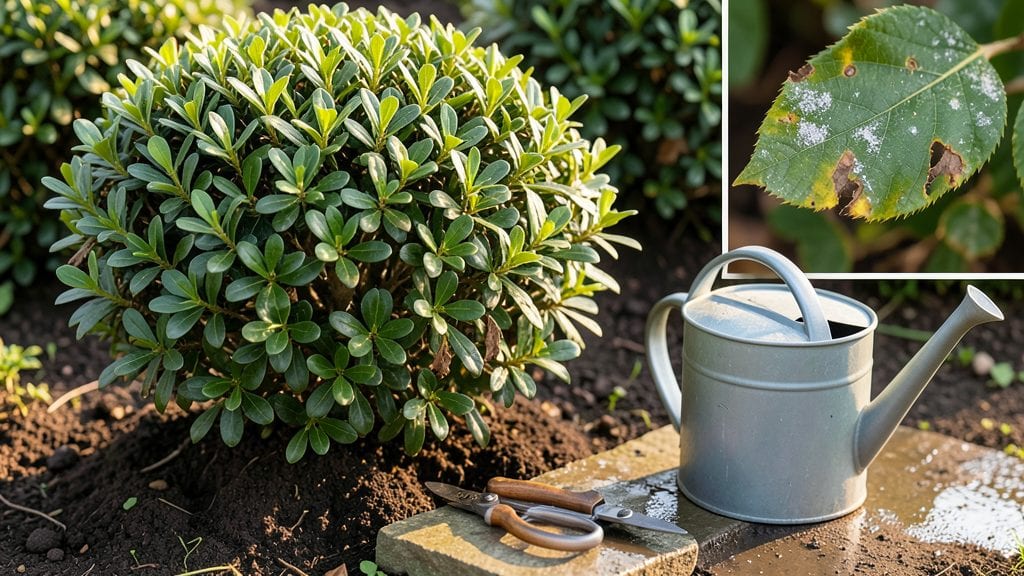
Boxwood plant diseases can turn your manicured hedges into a sad, brown mess—unless you act fast. 🌿 I’ve seen this happen too many times, and the key to saving your shrubs is knowing the early warning signs before the damage spreads.
The most common culprits are fungal infections like boxwood blight and leaf spot, which thrive in damp, shady conditions.
Most gardeners don’t realize how quickly these diseases take hold—often starting with tiny yellow spots on leaves that multiply into large, dead patches. The good news? With the right mix of pruning, fungicides, and preventive care, you can stop the spread and restore your boxwoods to their glossy, green glory.
I’ve used these methods to rescue hedges that looked hopeless.
You’ll learn how to identify the most destructive diseases by their symptoms, when to prune for airflow, and which organic or chemical treatments work best for your climate. The goal is to keep your boxwoods thriving year-round, not just patching up damage after it’s already done.
Whether you’re dealing with a small infestation or a full-blown outbreak, this guide gives you the tools to act confidently. Let’s get your boxwoods back to their picture-perfect best before another season passes.
Underlying Causes Of Boxwood Ailments
Boxwood plants—those lush, evergreen shrubs that add structure and elegance to gardens—can fall victim to a variety of diseases, often triggered by specific environmental or biological factors. Understanding why these issues arise is the first step to preventing them.
Let’s break down the root causes behind boxwood plant diseases, from fungal invaders to environmental stressors.
Fungal diseases like Boxwood Blight and Volutella Blight are the most common culprits behind boxwood decline. These pathogens thrive in conditions that favor their growth:
- High Humidity & Wet Foliage: Fungi spread spores via water droplets. When boxwoods sit in damp, shaded areas or are watered overhead, spores land on leaves and stems, germinating in 24–48 hours if moisture lingers. Pro tip: 🌡️ Aim for morning watering to allow foliage to dry by evening.
- Poor Air Circulation: Dense, tightly pruned boxwoods trap moisture, creating a fungal paradise. Fungi like Cylindrocladium (a cause of Boxwood Canker) exploit this environment, leading to leaf spots and stem lesions.
- Warm Temperatures (60–80°F): Fungal spores germinate fastest in this range. Boxwood Blight, for example, spreads aggressively in summer when heat and humidity align.
Actionable fix: Space plants 3–4 feet apart, prune for airflow, and avoid mulching too close to stems (keep mulch 2–3 inches away to prevent moisture buildup).
Boxwoods are hardy, but they’re not indestructible. Environmental stressors weaken their defenses, making them susceptible to diseases:
- Overwatering or Poor Drainage: Waterlogged roots suffocate the plant, reducing its ability to fight off pathogens. Phytophthora root rot, a water-mold disease, thrives in soggy soil, causing yellowing leaves and stem collapse.
- Nutrient Deficiencies (Especially Nitrogen): Yellowing leaves or stunted growth signal stress, which opens the door for secondary infections. Boxwoods need consistent nitrogen—apply a balanced fertilizer (10-10-10) in early spring.
- Extreme pH Levels: Boxwoods prefer slightly acidic soil (pH 5.5–7.0). Soil too alkaline (pH >7.5) locks out essential nutrients, weakening the plant. Test soil annually and amend with sulfur if needed.
Quick check: 💡 Stick your finger 2 inches into the soil after watering—if it’s still damp after 48 hours, you’re overwatering.
While not diseases themselves, pests like boxwood leafminers and scale insects damage plant tissue, creating wounds where fungi can invade:
- Leafminers: Their larvae tunnel through leaves, causing brown, blistered patches that weaken the plant. These wounds become prime spots for Alternaria leaf spot to take hold.
- Scale Insects & Spider Mites: These sap-suckers stress boxwoods, reducing vigor. Weakened plants are more vulnerable to Volutella Blight, which targets stressed foliage.
Preventative tip: 🔥 Monitor undersides of leaves for pests in spring. Use neem oil or insecticidal soap as a preventive spray every 2–3 weeks during peak pest season.
By addressing these root causes—fungal conditions, environmental stressors, and pest-related damage—you can create an unfriendly environment for boxwood diseases. The key? Proactive care and early intervention.
Fixing Fungal Threats in Boxwoods
When boxwoods fall prey to fungal diseases like volutella blight, box blight, or powdery mildew, swift action can save your shrubs. Below are practical, step-by-step solutions tailored to each common issue—plus prevention tips to keep your boxwoods thriving.
Symptoms: Brown, dead twigs with black fungal growth in spring.
How to Treat It
- 🍳 Prune Infected Branches
- Use sterilized pruners (wipe with rubbing alcohol between cuts).
- Remove all affected twigs—even if just 10%—to stop the spread.
- Dispose of clippings in the trash (not compost).
- 👨🍳 Apply Fungicide
- Spray with a copper-based fungicide (e.g., Bordeaux mixture) or a systemic fungicide like propiconazole (e.g., Banner Maxx).
- Apply early spring (before buds swell) and again in fall for prevention.
- 🌱 Boost Plant Health
- Water at the base (avoid overhead sprinkling).
- Mulch with 2–3 inches of organic material (wood chips) to improve soil drainage.
💡 Prevention Tips
- 🌡️ Space plants 3–4 feet apart for airflow.
- ✨ Avoid overhead irrigation—use drip systems instead.
- 🎯 Plant resistant varieties like ‘Green Velvet’ or ‘Winter Gem.’
Symptoms: Dark, greasy spots on leaves; defoliation in summer/fall.
How to Treat It
- 🔪 Remove Severely Infected Plants
- If >50% of leaves are damaged, dig up and destroy the plant (don’t compost).
- For mild cases, prune only the worst branches.
- 🥘 Apply Fungicide Immediately
- Use chlorothalonil (e.g., Daconil) or myclobutanil (e.g., Immunox).
- Spray every 7–14 days until new growth appears.
- 🌧️ Adjust Watering Habits
- Water early morning to allow foliage to dry quickly.
- Avoid wet mulch—keep it 2 inches away from stems.
💡 Prevention Tips
- 🔥 Clean tools between cuts with 10% bleach solution (1 part bleach : 9 parts water).
- 🌱 Improve drainage—boxwoods hate soggy roots.
- 🎯 Rotate fungicides yearly to prevent resistance.
Symptoms: White, powdery coating on leaves; stunted growth.
How to Treat It
- 🍳 Prune for Airflow
- Thin out dense growth to reduce humidity in the center.
- 👨🍳 Spray with Baking Soda Mix
- DIY remedy: 1 tsp baking soda + 1 quart water + a few drops of dish soap (as a surfactant).
- Spray every 7–10 days until mildew disappears.
- 🥘 Use Fungicidal Soap
- Apply potassium bicarbonate (e.g., Kaligreen) for severe cases.
💡 Prevention Tips
- 🌡️ Water in the morning (never at night).
- ✨ Space plants to allow sunlight penetration.
- 🎯 Avoid nitrogen-heavy fertilizers—they encourage lush (but mildew-prone) growth.
| Step | Action | When |
|---|---|---|
| 🔪 Prune & Clean | Remove dead/diseased parts; sterilize tools. | Spring or fall |
| 💧 Adjust Watering | Deep watering at base; avoid overhead. | Ongoing |
| 🌱 Mulch Properly | 2–3 inches of organic mulch, not touching stems. | After pruning |
| 🍄 Fungicide Rotation | Alternate between copper, sulfur, and systemic fungicides. | Early season + fall |
💡 Pro Tip: If your boxwoods are chronically sick, consider replacing them with resistant varieties like ‘Little Gem’ or ‘Dwarf Korean’—they handle humidity better!
By acting fast and staying vigilant, your boxwoods can bounce back—and stay disease-free for years. 🌿✨
Frequently asked questions about boxwood plant diseases
What are the first signs of boxwood blight?
Look for small, brown spots with dark edges on leaves that eventually turn gray and develop black fungal growth. These spots often appear in spring and spread rapidly in warm, humid conditions. Remove infected leaves immediately to stop the spread.
Can I save a boxwood plant if it already has leaf spot?
Yes, but act fast! Prune severely infected branches with sterilized tools, apply a fungicide like chlorothalonil, and improve airflow. For mild cases, regular pruning and proper watering can help recovery, but severe infections may require removing the plant entirely.
How often should I apply fungicide to prevent diseases?
Apply fungicide every 2-4 weeks during peak growing season (spring to fall) for prevention. Use copper-based sprays early in the season, then rotate with systemic fungicides like propiconazole to avoid resistance. Always follow label instructions for best results.
Why does my boxwood keep getting powdery mildew?
Powdery mildew thrives in shady, humid conditions with poor airflow. Thin out dense growth, space plants further apart, and water in the morning (never at night). A baking soda spray (1 tsp baking soda + 1 quart water) can help control mild cases.
Should I remove all infected boxwood plants from my garden?
Only remove plants if over 50% are infected or the disease is boxwood blight (which spreads aggressively). For less severe cases, prune infected parts, sterilize tools, and treat with fungicide. Always dispose of infected plant material in the trash, not compost.