
Container Gardens
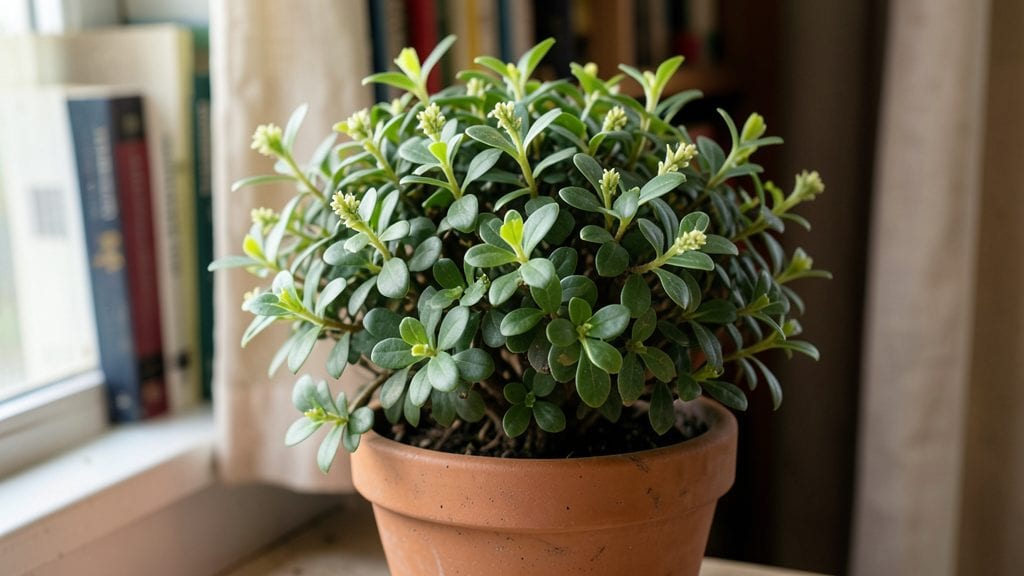
Growing a boxwood indoor plant 🌿 is your ticket to year-round greenery that thrives with almost no effort—no fussy deadheading or dramatic wilting when you forget to water.
Tired of high-maintenance houseplants that wilt at the slightest neglect? Boxwoods are the quiet superstars of indoor gardening: they handle low light better than most, tolerate occasional dry spells, and keep their glossy leaves all winter long.
That’s why they’re the go-to for apartments, offices, and even bathrooms where other plants would gasp for air.
Here’s the secret to keeping yours lush: a few hours of bright, indirect light, a well-draining pot, and watering only when the top inch of soil feels dry. No soil tests, no complicated schedules—just consistent, fuss-free growth.
Below, I’ll walk you through the exact care routine that’s kept my boxwoods thriving for years, plus how to spot and fix the most common mistakes before they become problems.
Ready to add a touch of structured elegance to your space without the drama? Let’s get your boxwood set up for success—indoors, year-round.


Boxwood indoor plant care: light, water, and soil requirements for thriving growth
Boxwoods thrive indoors with the right care, offering year-round greenery that requires less attention than fussy houseplants. Their evergreen foliage and compact growth make them ideal for apartments, offices, or sunrooms.
The key to success lies in mimicking their natural outdoor conditions—bright but filtered light, moderate watering, and well-draining soil. Unlike many indoor plants, boxwoods are drought-tolerant once established, making them perfect for busy plant parents.
Unlike sun-loving succulents, boxwoods prefer bright indirect light over harsh direct sunlight, which can scorch their leaves. They also tolerate moderate shade, making them adaptable to east or west-facing windows. For optimal growth, aim for 4-6 hours of filtered light daily.
If your space lacks natural light, supplement with a grow light for 6-8 hours daily to prevent leggy growth. Their slow-growing nature means they won’t outpace your care routine, but consistency is key.
When it comes to watering boxwoods indoors, the golden rule is "soak and dry." Water thoroughly until water drains from the pot’s bottom, then wait until the top inch of soil feels dry before watering again.
In summer, you may need to water every 5-7 days, while winter slows growth, reducing watering to every 2-3 weeks. Overwatering is the #1 killer of indoor boxwoods—always ensure pots have drainage holes to prevent root rot. A moisture meter helps gauge soil dryness accurately.
Boxwoods thrive in well-draining soil with a slightly acidic pH of 5.0-6.5. A mix of 50% peat moss or coconut coir, 30% perlite or pumice, and 20% compost creates the ideal blend. Avoid heavy garden soil, which compacts and suffocates roots.
For container-grown boxwoods, repot every 2-3 years or when roots circle the pot. Choose pots with adequate drainage and 1-2 inches larger diameter than the root ball to support growth without overwhelming the plant.
While boxwoods tolerate moderate shade, their growth slows dramatically in low-light conditions. If your boxwood starts developing long, leggy stems or sparse foliage, it’s a sign of insufficient light. Move it closer to a window or supplement with a full-spectrum LED grow light.
North-facing windows may work but require additional light, while south-facing windows can scorch leaves—use sheer curtains to diffuse harsh sunlight. Rotate the pot quarter-turn weekly to ensure even growth.
Fertilizing boxwoods indoors is simple: use a balanced 10-10-10 fertilizer every 4-6 weeks during spring and fall. In summer, reduce to half-strength every 8 weeks to avoid burning roots. Skip fertilizing in winter when growth slows.
Organic options like fish emulsion or worm castings work well, but always water the soil first to prevent salt buildup. Yellowing leaves or stunted growth may signal nutrient deficiencies—adjust fertilizer type or frequency accordingly.
Pruning encourages bushier growth and maintains your boxwood’s shape. Trim back overgrown branches in early spring or after flowering (if applicable) using clean, sharp pruners. Cut just above a leaf bud or branch junction to promote new growth.
For topiary shapes, prune gradually over time, shaping as you go. Remove any dead or yellowing leaves
5 Common mistakes killing your boxwood indoor plant (and how to fix them)
Boxwoods are resilient, but even the toughest plants suffer when basic care slips. I’ve seen yellowing leaves, drooping branches, and pests take over indoor boxwoods—often because of avoidable mistakes.
The good news? Most issues have simple fixes if you catch them early. Let’s tackle the top culprits and restore your plant’s evergreen glory.
First, overwatering is the silent killer of indoor boxwoods. Too much moisture leads to root rot, which chokes your plant’s roots and causes leaves to turn brown or mushy. I’ve rescued many boxwoods by adjusting their watering routine—less is often more than you think.
Pair this with well-draining soil and pots with drainage holes, and you’ll avoid soggy soil disasters.
⚠️
Yellow leaves + mushy stems = Overwatered!
Dry, crispy edges + wilting = Underwatered.
Stick your finger 1 inch into soil—if it’s damp, wait. If dry, water deeply but never let it sit in water.
Next up: pests like spider mites and scale insects love boxwoods. I’ve battled these tiny invaders by isolating infested plants and wiping leaves with a neem oil solution (mix 1 tsp neem oil with 1 quart water).
For severe cases, insecticidal soap works wonders. Check the undersides of leaves—white webbing or sticky residue are dead giveaways.
Don’t overlook nutrient deficiencies, either. Boxwoods need balanced fertilizer (like 10-10-10) every 4-6 weeks in spring and fall. If your plant’s growth slows or leaves lose their rich green color, it’s begging for nutrients. I swear by a slow-release fertilizer to keep my boxwoods thriving without overfeeding.
Finally, low light stresses boxwoods, causing leggy growth or sparse foliage. Place your plant near an east or west-facing window for bright indirect light. If that’s not possible, a grow light for 6-8 hours daily can save the day.
Trust me, your boxwood will reward you with dense, glossy leaves.
A healthy boxwood has deep green, glossy leaves, compact growth, and no pests. If yours is struggling, start with these fixes: adjust watering, check for pests, fertilize, and optimize light. With a little TLC, your boxwood will bounce back—promise! 🌿