
Plants
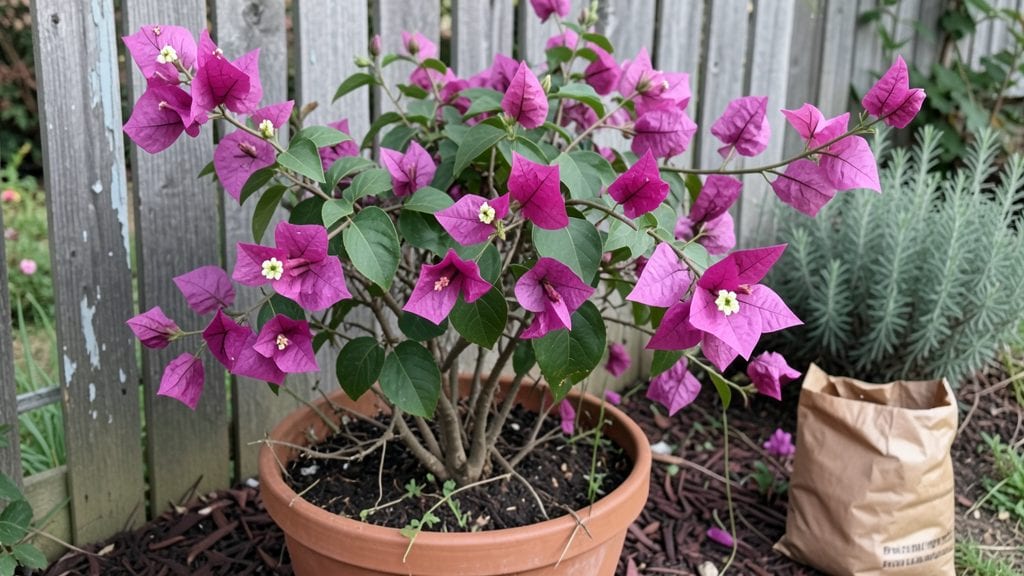
The right bougain plant food—packed with phosphorus—will unlock those lush pink and purple blooms you’ve been craving.
Picture this: you’ve pruned, watered, and even babied your 🌸 bougainvillea, but the flowers still look half-hearted. The missing piece? A fertilizer tailored to its tropical roots—one that prioritizes phosphorus over nitrogen. Without it, your plant will focus on leaves instead of stunning, show-stopping blooms.
In this guide, I’ll walk you through the best high-phosphorus options—whether you prefer organic compost tea or a quick synthetic boost—and how to apply them without burning your plant’s delicate roots. Plus, I’ll share the exact feeding schedule that keeps my bougainvilleas thriving year-round in zones 9-11.
Skip the guesswork and learn how to feed your bougainvillea the right way, so you can enjoy a garden bursting with color that turns every head in the neighborhood.
Why high-phosphorus bougainvillea food boosts blooms
If your bougainvillea is struggling to produce those vibrant papery bracts year-round, the issue likely lies in its phosphorus levels. This essential nutrient acts as the energy transfer agent in plants, fueling root development and flower production.
Without enough phosphorus, your bougainvillea may grow lush foliage but fail to bloom—even in ideal conditions. The science is clear: phosphorus deficiency directly impacts a plant's ability to convert sunlight into energy for blooming.
Commercial high-phosphorus fertilizers are specifically formulated to address this need. Unlike general-purpose fertilizers that balance nitrogen, phosphorus, and potassium equally, bougainvillea thrives when phosphorus levels are 2-3 times higher than nitrogen. This targeted approach ensures your plant directs its energy toward flowering rather than excessive leaf growth.
Think of phosphorus as the fuel for blooms—without it, even the healthiest bougainvillea will underperform.
Identifying a phosphorus deficiency in your bougainvillea is easier than you might think. Look for dark green or purple-tinged leaves that appear smaller than usual, combined with stunted growth and fewer blooms. The plant may also develop weak stems that struggle to support the weight of new growth.
These symptoms often appear first in the older leaves before spreading throughout the plant. If left unchecked, the deficiency can lead to reduced flowering and even dieback in severe cases.
While you can boost phosphorus levels using organic amendments like bone meal or compost, commercial high-phosphorus blends offer a more precise and immediate solution. These fertilizers are designed to dissolve quickly in the soil, making phosphorus available to your bougainvillea's roots within days.
For example, a 7-9-5 NPK ratio fertilizer provides the ideal balance for flowering plants, with phosphorus as the dominant nutrient. This ratio ensures your bougainvillea receives the right amount of phosphorus without overwhelming it with nitrogen, which can promote leafy growth at the expense of blooms.
Here’s how commercial high-phosphorus blends outperform general-purpose options:
- Targeted Nutrition: Bougainvillea-specific fertilizers are formulated with higher phosphorus percentages (often 9-12%) to match the plant's natural needs. General-purpose fertilizers typically offer a balanced 10-10-10 or 20-20-20 ratio, which can lead to over-fertilization with nitrogen and potassium.
- Faster Results: Synthetic high-phosphorus fertilizers dissolve quickly, providing immediate nutrient uptake that organic options can't match. This is crucial for bougainvillea, which blooms best when phosphorus is readily available during its active growing season (spring to fall).
- Consistency: Commercial blends ensure uniform nutrient distribution in the soil, reducing the risk of hot spots where roots may burn. Organic amendments like bone meal can vary in potency and may take weeks to break down.
- Micronutrient Support: Many high-phosphorus fertilizers for flowering plants include trace minerals like calcium and magnesium, which work synergistically with phosphorus to enhance root health and flower production.
Let’s compare the phosphorus levels in common fertilizers to see why a high-phosphorus blend is the best choice for your bougainvillea:
Best high-phosphorus fertilizers for bougainvillea: organic vs synthetic
Choosing the right bougainvillea plant food can transform your tropical shrub from a struggling vine to a vibrant blooming powerhouse. Bougainvilleas thrive on high-phosphorus fertilizers because phosphorus directly fuels flower production and root development.
But with organic and synthetic options flooding the market, how do you decide which is best for your blooming beauty?
I’ve tested both organic and synthetic high-phosphorus fertilizers to help you make an informed choice. Organic options like bone meal and fish emulsion offer slow-release nutrients, while synthetic blends like superphosphate and specialized bougainvillea mixes deliver quick, measurable results.
Let’s break down the pros and cons so you can pick the perfect plant food for your bougainvillea’s needs.
Organic vs. Synthetic High-Phosphorus Fertilizers for Bougainvillea
Organic Options
- Bone Meal: 3-12-0 NPK ratio
- Pros: Slow-release, improves soil structure, eco-friendly
- Cons: Can attract pests, may require compost tea for quick uptake
- Best for: Long-term soil health and gradual bloom boosts
Synthetic Options
- Superphosphate: 0-20-0 NPK ratio
- Pros: Fast-acting, precise phosphorus levels, cost-effective
- Cons: Risk of over-fertilization, can harm soil microbes
- Best for: Immediate bloom stimulation and quick results
Specialized Bougainvillea Blends
- Examples: Miracle-Gro Bougainvillea Food, Espoma Bloom!
- Pros: Balanced NPK (e.g., 7-9-5), easy application, targeted for blooms
- Cons: Higher cost, may contain synthetic additives
- Best for: Convenience and guaranteed bloom results
For organic gardeners, bone meal is a top choice because it releases phosphorus slowly, reducing the risk of nutrient burn while improving soil structure. Apply 1 tablespoon per plant every 6-8 weeks during the growing season.
Pair it with compost tea to enhance nutrient uptake and deter pests that might be attracted to the organic matter.
If you prefer synthetic fertilizers, superphosphate is a budget-friendly option with a 20% phosphorus content, making it ideal for quick bloom stimulation. Use ½ teaspoon per plant every 4 weeks in spring and summer.
For convenience, pre-mixed bougainvillea blends like Miracle-Gro offer a balanced NPK ratio (e.g., 7-9-5) designed specifically for flowering plants. These are perfect for container gardening where soil nutrients deplete faster.
Cost is another factor to consider. Organic options like bone meal typically cost $10-$15 per pound, while synthetic superphosphate runs $8-$12 per 10 pounds. Specialized bougainvillea blends can range from $15-$25 per container, depending on the brand.
If you’re on a budget, DIY organic blends—like mixing bone meal with compost—can be just as effective without breaking the bank.
Environmental impact also plays a role. Organic fertilizers break down naturally, reducing soil pollution and supporting beneficial microbes. Synthetic options, however, can leach into groundwater if overused.
To minimize harm, always follow the application rates and avoid fertilizing during heavy rains. For eco-conscious gardeners, organic choices are the clear winner.
Ultimately, the best bougainvillea plant food depends on your gardening goals. For immediate blooms and convenience, go synthetic. For long-term soil health and sustainability, organic is the way to go.
Experiment with both to see what works best for your tropical beauty—your bougainvillea will thank you with vibrant, year-round blooms! 🌸