
Companion Plants
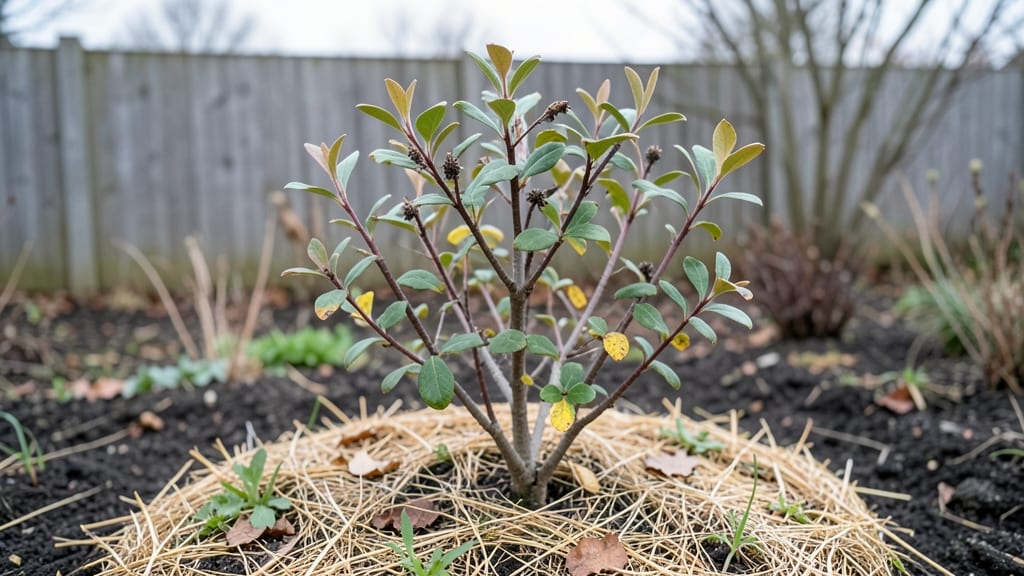
Protecting your blueberry plants in winter saves them from frost damage and sets the stage for next year’s harvest. I’ve learned that skipping this step means struggling with weak growth—or worse, losing bushes entirely. The key is protecting roots, pruning smartly, and knowing exactly when to stop watering.
You’ll need a thick layer of mulch (3–4 inches of straw or wood chips), sharp pruners for cleanup, and maybe frost cloth for young plants. In zones 5–7, I cover the base with extra mulch and wrap tender canes in burlap—it’s the difference between brown stems and vibrant spring shoots.
Even in zone 8, late frosts can sneak up, so timing matters.
By spring, you’ll see strong new growth where others have bare branches. The mulch keeps roots warm, pruning removes weak wood, and proper dormancy means your bushes wake up ready to fruit. It’s not just survival—it’s setting up a bountiful season ahead.
Works for all blueberry varieties, from lowbush to rabbiteye. Here’s how to do it right—no guesswork, just results. Let’s get your bushes through winter like a pro.
📚 In This Guide
- What you need
- Instructions
- Tips and common mistakes
- Wrapping up and next steps
What you need
- ● Mulch: 3–4 inches of organic mulch (straw, pine needles, or shredded leaves). Pro tip: Avoid fresh wood chips—they can rob the soil of nitrogen!
- ● Pruners: Sharp, clean bypass pruners (sterilize with rubbing alcohol to prevent disease).
- ● Garden gloves: Heavy-duty work gloves to protect your hands from thorns and cold.
- ● Watering can or hose: For a final hydration boost before dormancy.
- ● Burlap or frost cloth: Enough to wrap around mature plants (at least 3–4 feet wide).
- ● Fertilizer: Slow-release, acidic fertilizer (like 10-10-10 or cottonseed meal) for early spring.
- ● Row covers: Lightweight fabric to shield young plants from harsh winds.
- ● Soil pH tester: To confirm acidity levels (blueberries love pH 4.5–5.5).
- ● Stakes or wire mesh: To support heavy mulch or frost cloth if needed.
Step-by-Step instructions for preparing blueberry plants for winter
Here's how to protect your blueberry bushes through freezing temperatures and ensure strong spring regrowth.
Prune Dead or Damaged Growth Before Frost
Start by removing any dead, diseased, or weak stems with clean pruning shears. I always cut back to just above a healthy bud or branch junction—this prevents fungal spread and encourages new growth in spring. Focus on thinning out crowded branches to improve airflow, which reduces winter rot risk.
Remove any fruit still clinging to the plant after the first hard frost. Leaving them on can invite pests and diseases that overwinter. Once you've pruned, rake up and dispose of all debris from around the base. This clears away hiding spots for overwintering insects and reduces thatch buildup.
Apply a 3-Inch Layer of Organic Mulch
Spread a thick layer of organic mulch around the base of each plant, keeping it 3 inches deep and extending it out to the plant's drip line. I use shredded leaves or straw because they break down slowly and insulate roots better than wood chips. Avoid piling mulch against the plant's trunk—leave a 2-inch gap to prevent rot.
This mulch layer acts like a winter blanket, protecting roots from extreme temperature swings. You'll see the soil stay more evenly moist in spring, and the mulch will suppress weeds until new growth emerges. If you're in an area with heavy snow, you can add a 4-inch layer for extra protection.
Wrap Young or Tender Varieties for Extra Protection
For blueberry bushes younger than 3 years old or tender varieties like 'Duke' or 'Bluecrop', wrap the entire plant in burlap or frost cloth. Secure it loosely with twine or stakes so it doesn't restrict growth. This creates a microclimate that traps heat and prevents frost damage to delicate stems.
Unwrap the plants in early spring once temperatures consistently stay above 40°F for a week. I always check the forecast first—removing protection too early can shock tender new shoots. For established bushes in cold climates, a low tunnel made of PVC pipes and frost cloth works wonders for extending the growing season.
Water Deeply Before the Ground Freezes
Give your blueberry bushes a deep watering about 2 weeks before your first hard frost. This ensures the soil stays moist through winter, which helps roots survive temperature fluctuations. Water slowly until it seeps 6 inches deep—you'll know it's enough when the soil feels damp at that depth.
Avoid overwatering right before winter, as soggy soil can lead to root rot. If your area gets heavy snowfall, the natural water from melting snow will provide additional moisture. In dry climates, you may need to water again in mid-winter if the ground stays frozen for months.
Monitor and Adjust for Late Winter Thaws
Keep an eye on your blueberry bushes during late winter thaws when temperatures rise above 40°F. If new growth appears, cover the plants again with frost cloth to protect tender shoots from late frosts. I've seen late-season freezes wipe out early buds, so it's worth the extra effort.
Once the last frost date has passed and new leaves emerge, remove all winter protection. This prevents overheating and allows the plants to photosynthesize properly. You'll notice stronger, healthier growth if you've followed these steps—your bushes will be ready to fruit by mid-summer.
Tips & tricks for preparing blueberry plants for winter
A few simple strategies will help your blueberry bushes thrive through winter and bounce back stronger in spring. These insights come from years of learning what works—and what doesn't—when protecting these delicate plants from freezing temperatures.
Timing is Everything: When you prune in Step 1, aim to complete this task at least 4-6 weeks before your first hard frost. This gives your plants enough time to heal and prepare for dormancy. I've seen bushes that were pruned too late develop weak spots that didn't survive winter. Also, avoid pruning after the first frost—this can stimulate new growth that won't harden off properly before cold weather sets in.
Mulch Selection Matters: In Step 2, while shredded leaves or straw are excellent choices, avoid using fresh grass clippings or wood chips. Grass clippings can mat down and create a soggy layer that promotes rot, while wood chips break down too quickly and don't provide consistent insulation. For maximum protection, mix your 3-inch layer with a bit of compost—this gives your roots a nutrient boost as they wake up in spring.
Protection Strategy for Young Plants: For the young or tender varieties mentioned in Step 3, consider adding a layer of bubble wrap inside your frost cloth. This creates an extra insulating barrier without restricting airflow. I've found that plants wrapped this way can handle temperatures 5-10°F colder than those with just frost cloth alone. Just make sure to leave the top open so moisture can escape and prevent mold buildup.
Watering Wisdom: The deep watering in Step 4 is crucial, but timing matters just as much as quantity. If your area experiences early frosts, you might need to water even earlier than 2 weeks before the first hard frost. A good rule of thumb is to water when the top 2 inches of soil are dry—this ensures your plants have enough moisture stored before the ground freezes. In particularly dry climates, consider adding a 2-inch layer of mulch after watering to help retain that moisture.
Pro Tips for Blueberry Plants Winter
- A few simple strategies will help your blueberry bushes thrive through winter and bounce back stronger in spring.
- Timing is Everything: When you prune in Step 1, aim to complete this task at least 4-6 weeks before your first hard frost.
- Mulch Selection Matters: In Step 2, while shredded leaves or straw are excellent choices, avoid using fresh grass clippings or wood chips.
Frequently asked questions
How cold can blueberry plants tolerate?
Most blueberry varieties handle temperatures down to -15°F to -20°F (-26°C to -29°C) with proper winter prep. Northern highbush types (like 'Bluecrop') are hardier than southern varieties. Mulch heavily and protect young plants with burlap wraps if your zone dips below -10°F (-23°C).
When should I prune blueberry bushes in winter?
Prune late winter (February–March), right before buds swell but before new growth starts. Remove dead, diseased, or crossing branches first, then thin out crowded stems to improve airflow. Avoid heavy pruning—blueberries flower on old wood! Wait until spring if your region has unpredictable freezes.
Can I leave fallen leaves on blueberry plants over winter?
Yes! Leave leaf litter to insulate roots and retain moisture, but rake up diseased leaves (like those with powdery mildew) to prevent reinfection. Spread a 3–4 inch layer of mulch (straw or pine needles) over the soil instead for extra protection. Just avoid piling leaves against the stems to deter mold.
What if my blueberry plant looks dead after winter?
Don’t panic! Blueberries often dormant-look dead—wait until late spring (when buds swell) to assess. If branches are brown and mushy, it’s dead; if they’re dry and brittle, prune them back. For soggy soil or frost-heaved roots, water deeply in early spring and monitor for new growth.
Are there winter alternatives if I can’t grow blueberries?
Try winter-hardy berries like arctic kiwi (Zone 3), juneberries (saskatoons, Zone 2), or gooseberries (Zone 3–7). For year-round interest, pair blueberries with evergreen shrubs (like boxwood or holly) or ornamental grasses (e.g., Panicum) to add texture and windbreak benefits.
Wrapping up and next steps
Preparing your blueberry plants for winter doesn’t have to be daunting—with the right care, they’ll bounce back stronger than ever! 🌱 By choosing cold-hardy varieties, insulating roots, and protecting tender parts, you’re setting them up for a thriving spring. Your next step? Grab those mulch supplies, mark your calendar for late-winter pruning, and give your bushes a little extra love before the frost sets in.
You’ve got this! A little effort now means plenty of juicy berries later. Happy gardening! 🍇