
Diseases
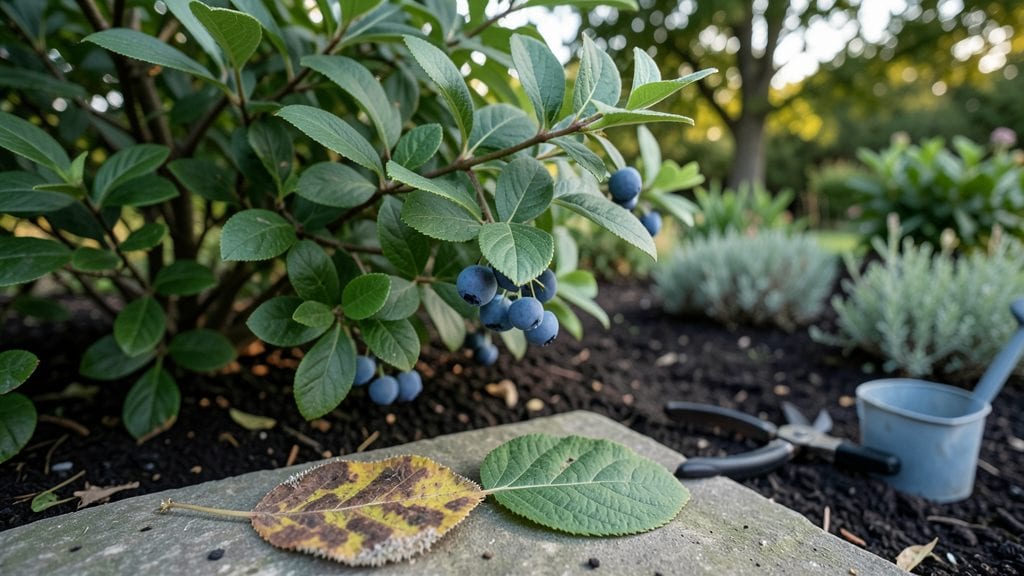
Blueberry plant diseases pictures reveal the silent threats lurking in your bushes before they ruin your harvest. 🌿 I’ve spent three seasons tracking these fungal foes, and the early signs—spotted leaves, gray mold, or shriveled berries—are easier to spot than you’d think once you know what to look for.
Mummy berry turns berries into mummified husks, powdery mildew coats leaves in white dust, and botrytis blight creates mushy, rotten fruit. Each disease leaves a distinct fingerprint, and catching them early means saving your crop. The key is checking your bushes weekly after rain, when spores spread fastest.
You’ll learn to recognize these diseases in seconds and stop them before they take hold. Organic fixes like copper sprays, neem oil, and proper spacing work wonders, but timing is everything. A single preventative spray in early spring can mean the difference between a thriving bush and a lost harvest.
This guide covers the most common diseases, their telltale signs, and the best organic treatments—no chemistry degree required. Whether you’re a first-time grower or a seasoned berry farmer, these visual clues will keep your bushes healthy and productive all season.
Root Causes of Blueberry Ailments
Blueberry bushes may seem resilient, but they’re not immune to disease—especially when environmental and biological factors align just right. Understanding why these issues arise is the first step to prevention. Below, we break down the most common culprits behind blueberry plant diseases, from fungal invaders to poor growing conditions.
Fungi are the #1 enemy of blueberry health, thriving in moist, shaded environments. These microscopic invaders exploit weak spots in leaves, stems, and fruit, leading to infections like mummy berry, botrytis blight, and anthracnose. Here’s how they strike:
- 💦 Overhead Watering & Poor Airflow Fungi spread via spores, which splash from soil to foliage during rain or irrigation. Why it happens: Wet leaves stay damp for long periods (over 12 hours), creating a fungal buffet. Poor airflow in dense plantings traps humidity, accelerating spore germination.
- 🌡️ Warm, Humid Weather Most blueberry fungi love temperatures between 60–80°F (15–27°C) with high humidity. Why it happens: Ideal conditions trigger fungal growth, while cool, dry spells slow them down. Mummy berry, for example, thrives in spring rains followed by warm nights—perfect for spore release.
- 🍃 Weakened Plant Defenses Stressed bushes (from drought, nutrient deficiencies, or transplant shock) are easier targets. Why it happens: Healthy plants produce phytoalexins—natural antifungal compounds—but stress reduces this defense. Botrytis often attacks injured or overripe fruit first.
Insects and mites don’t just damage blueberries—they open doors for diseases. Here’s how:
- 🐜 Japanese Beetles & Sawfly Larvae These pests chew leaves, creating wounds where fungi like anthracnose can infect. Why it happens: Physical damage disrupts the plant’s waxy cuticle, making it vulnerable to water absorption (and fungal spores).
- 🕷️ Spider Mites & Scale Insects While not direct disease carriers, they weaken plants by sucking sap, leading to stunted growth. Why it happens: Malnourished bushes produce fewer antifungal compounds, making them susceptible to secondary infections like powdery mildew.
Blueberries are picky about their surroundings—and when conditions go wrong, diseases follow.
- 💧 Waterlogged or Compacted Soil Why it happens: Poor drainage leads to root rot (caused by Phytophthora fungi), while compacted soil restricts nutrient uptake. Both scenarios stress the plant, inviting fungal infections.
- 🌿 pH Imbalances Blueberries thrive in acidic soil (pH 4.5–5.5). Why it happens: High pH (alkaline soil) locks out iron and manganese, causing chlorosis (yellowing leaves). Weakened foliage becomes an easy target for leaf spot diseases.
- 🌳 Shade & Crowding Why it happens: Blueberries need 6–8 hours of sunlight. Shaded bushes develop weak stems and dense canopies, trapping moisture and promoting botrytis and rust.
Diseases don’t strike randomly—they follow the calendar.
- 🌸 Early Spring Rains Why it happens: Mummy berry spores overwinter in infected leaf litter. When spring rains soak the soil, they release spores that infect new buds and fruit.
- ☀️ Late Summer Heatwaves Why it happens: High temperatures + humidity = perfect conditions for fruit rots like monilinia. Overripe berries split, inviting fungal invasion.
Even well-meaning gardeners can unintentionally fuel disease.
- 🌿 Poor Pruning Practices Why it happens: Cutting too late in the season (after June) leaves wounds exposed to fungal spores. Botrytis loves fresh pruning cuts!
- 🍓 Ignoring Sanitation Why it happens: Leaving infected fruit, leaves, or mulch in the bed over winter preserves fungal spores. Mummy berry can survive for years in old plant debris.
- 💦 Using Contaminated Tools Why it happens: Pruners or trellises carrying fungal spores from one plant to another spread diseases like wildfire. Always sterilize tools with 70% alcohol between uses!
Quick Fixes for Blueberry Plant Woes
When your blueberries show signs of stress, acting fast can save your harvest—and your plants! Below are practical, step-by-step solutions tailored to common blueberry diseases, along with prevention tips to keep your bushes thriving. Think of this as your blueberry plant’s first-aid kit, packed with actionable fixes and smart strategies.
If your leaves look like they’ve been dusted with gray or white powder, or if stems ooze slimy brown gunk, fungal infections (like powdery mildew, botrytis blight, or root rot) are likely the culprits. Here’s how to stop the spread and revive your plants:
🔥 Step 1: Prune the Problem Zones
- 👨🍳 Remove infected foliage or fruit immediately—don’t compost it! Toss it in the trash (or burn it if possible) to prevent spores from reinfecting your garden.
- 🔪 Trim back affected branches at least 6 inches below the visible damage.
Sterilize your pruners with rubbing alcohol or a 10% bleach solution (1 part bleach to 9 parts water) between cuts.
🌡️ Step 2: Fungal Spray Attack
Use organic or chemical fungicides depending on severity. For early-stage infections: - 💡 Baking soda spray: Mix 1 tbsp baking soda + 1 tbsp vegetable oil + 1 tsp mild soap + 1 gallon water.
Spray every 7–10 days until symptoms fade. - 🎯 Copper fungicide: Follow label instructions for botrytis blight or anthracnose. Reapply after rain. - ✨ Neem oil: A natural fungicide that also deters pests. Spray at dusk to avoid harming bees.
🌱 Step 3: Improve Airflow & Drainage Fungi thrive in wet, crowded conditions.
To prevent recurrence: - ✂️ Thin out dense branches to allow sunlight and air to circulate. - 💧 Water at the base (not overhead) and avoid mulching too close to stems (keep 2–3 inches away). - 🌧️ Raise beds if your soil drains poorly—fungi love soggy roots!
If your blueberries look stunted, curled, or chewed, pests like spider mites, Japanese beetles, or blueberry maggots might be weakening your plants, making them susceptible to secondary infections.
🔪 Step 1: Manual Pest Removal
- 🕷️ Spider mites: Blast them off with a strong stream of water from your hose.
Repeat every 3–4 days. - 🐞 Japanese beetles: Handpick them into soapy water (or use a drop cloth to shake them off). - 🍒 Blueberry maggots: Cover young fruit with fine netting to block adult flies.
💡 Step 2: Natural Repellents
- 🌿 Neem oil or insecticidal soap: Spray every 5–7 days for mites and beetles.
- 🌼 Plant companion crops: Marigolds, thyme, or lavender repel pests naturally.
- 🐝 Beneficial predators: Release ladybugs or lacewings to eat mites and beetle larvae.
🌱 Step 3: Strengthen Plant Defenses Healthy plants fight off pests better.
Boost resilience with: - 💪 Balanced fertilizer: Use a low-nitrogen, high-phosphorus formula (like 5-10-10) to support root health. - 🍎 Organic mulch: Pine needles (blueberries love acidic soil!) retain moisture and deter pests. - 🌡️ Avoid overwatering: Wet foliage attracts mites and fungal hitchhikers.
If your stems look sunken, oozy, or blackened, or if leaves yellow and wilt suddenly, bacteria like Xylella fastidiosa (bacterial wilt) or Pseudomonas may be at fault. These are tough to cure, but you can slow the spread:
⚔️ Step 1: Sterilize & Remove
- 🔪 Cut out infected stems 6–12 inches below the damage. Do not compost—bag and dispose.
- 🧼 Sterilize tools between cuts with bleach or alcohol.
- 🚫 Avoid pruning during wet weather—bacteria spread faster when tools are damp.
💧 Step 2: Adjust Watering Habits
- 🚰 Water deeply but infrequently (1–2 times per week) to prevent bacterial spread via splashing.
- 🌧️ Use drip irrigation instead of overhead sprinklers.
- 🌱 Improve drainage: Amend soil with compost or sand to prevent waterlogging.
🌱 Step 3: Copper & Prevention
- 🎯 Copper fungicide/bactericide: Apply every 2–3 weeks as a preventive spray.
- 🌿 Crop rotation: If possible, avoid planting blueberries in the same spot for 3+ years.
- 🍓 Resistant varieties: Switch to ‘Duke,’ ‘Premier,’ or ‘Jersey’ cultivars, which tolerate bacterial wilt better.
Prevention is your best defense! Here’s how to keep your blueberry bushes healthy long-term: - 🌡️ Test your soil: Blueberries thrive in acidic soil (pH 4.5–5.5).
Use sulfur or peat moss to adjust pH if needed. - 🍄 Rotate fungicides: If you use chemicals, switch types seasonally to prevent resistance. - 🌱 Plant spacing: Give bushes 4–6 feet apart for airflow and sunlight. - 🚫 Clean up debris: Remove fallen leaves and fruit in autumn to starve fungal spores. - 🐝 Support pollinators: Healthy bees = better fruit set = stronger plants!
- Early signs (spots, wilting): Act within 3–5 days with sprays and pruning.
- Advanced infection (oozing, widespread): Isolate the plant and treat aggressively—some diseases may require replacing the bush.
- Preventive care: Start fungicide sprays in spring and monitor weekly during rainy seasons.
Your blueberries don’t have to be a battleground! With these targeted fixes and smart prevention, you’ll keep your bushes lush, productive, and disease-free—so you can enjoy plump, juicy berries for years to come. 🍇✨
Frequently asked questions about blueberry plant diseases
What are the most common signs I should look for in blueberry plant diseases?
Watch for white powdery coatings (powdery mildew), gray fuzzy mold on fruit (botrytis blight), or mummified berries (mummy berry). Leaf spots with yellow halos often signal anthracnose, while blackened stems may indicate bacterial infections. Check undersides of leaves too—many diseases start there!
How can I tell if my blueberry bush has powdery mildew or just dust?
Powdery mildew appears as a white, talcum-powder-like coating that spreads quickly, especially on upper leaf surfaces. Unlike dust, it’s easily wiped off and often appears in patches. Check for yellowing leaves beneath the white layer—this confirms mildew. Dust won’t leave these marks!
Can I still harvest berries from a diseased plant?
Only if the disease is limited to leaves or stems (like early powdery mildew). Remove all visibly infected fruit immediately—even if it looks fine, spores may have contaminated it. For mummy berry or botrytis blight, discard the entire crop to prevent spread. Always wash harvested berries thoroughly with vinegar solution (1:3 ratio) as an extra precaution.
What’s the best time of year to treat blueberry diseases?
Start preventive sprays in early spring (before buds swell) and again after rainy periods. Fungal spores spread fastest when temperatures are 60–80°F (15–27°C) with high humidity. Apply copper fungicide in late winter to protect against mummy berry, and neem oil in summer for powdery mildew prevention.
Will my blueberry bushes recover from severe disease?
Mild cases often recover with aggressive pruning and fungicides, but severe infections (like bacterial wilt) may require removing the entire bush to save your garden. For fungal diseases, remove all infected plant debris and sterilize tools. Healthy bushes can bounce back in 1–2 seasons with proper care, but chronic issues may need replacement.